Google’s AI-Powered Ads 2026: Revolutionizing Content Discovery
“`html
The Dawn of AI-Powered Ads
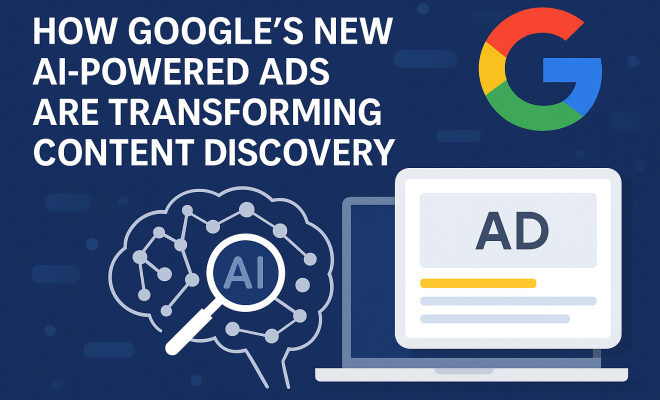
In May 2026, Google unveiled a groundbreaking shift in advertising at the Google Marketing Live event. The tech giant introduced a new open-beta format called the “Business Agent For Leads,” which incorporates a Gemini-powered chat agent directly within ads. This innovative feature allows users to interactively ask questions and submit pre-filled lead forms without ever leaving the search page. This leap forward in AI-powered ads signals a monumental change in how consumers discover viral content and engage with brands.
The Impact of Google’s New Features
At first glance, the implications of this new feature stretch far beyond the superficiality of ads. By integrating a chat agent into search results, Google is enhancing the user experience, making it more interactive and personalized. This approach not only boosts engagement rates but also ensures that brands can capture leads more effectively. The user’s ability to directly ask questions facilitates a smoother transition from inquiry to action, which is crucial in a marketplace saturated with options.
Furthermore, Google expanded its AI Mode to include conversational discovery ads, which highlight answers and enable native checkouts in direct-offer flows. This means users can now find relevant products and services without navigating away from their initial search intent. For marketers, this evolution represents a major opportunity to generate strong search interest, as visibility and clicks are directly tied to how innovative and engaging the ad formats are.
Understanding the Gemini-Powered Chat Agent
What’s particularly intriguing about this new chat agent is its underlying technology, powered by Google’s Gemini. Gemini leverages advanced machine learning algorithms to provide a more personalized, conversational experience. This technology ensures that the chat agent can understand user queries in context, allowing for more nuanced interactions.
For businesses, this means they can offer real-time responses to potential customers who might have pressing questions about their products or services. Imagine a user searching for the latest smartphone; they can quickly ask the chat agent for details about features or pricing without wading through multiple websites. The seamlessness of this experience is likely to enhance consumer trust and satisfaction, leading to higher conversion rates.
The Role of Conversational Discovery Ads
Conversational discovery ads are another exciting feature in Google’s new AI-powered arsenal. These ads lead users through an interactive journey where they can ask questions about a product and receive tailored responses. This format encourages deeper engagement compared to traditional ads, which often present information in a static manner.
When consumers feel like they’re having a conversation rather than being sold to, they are more likely to engage positively with the ad content. This change could lead to a significant reduction in ad fatigue, a common issue in digital marketing where consumers become overwhelmed by repetitive, non-interactive advertising.
Highlighting Answers for Greater Visibility
The newly implemented feature that highlights answers within ads is a significant development for brands aiming to capture consumer attention. By showcasing useful information upfront, brands can increase the likelihood that users will click on their ads. This approach is particularly effective in a world where users often skim through content in search of quick answers.
Highlighting crucial product specifications or promotional offers can make all the difference in a consumer’s decision-making process. For marketers, this strategy aids in crafting ads that resonate more deeply with target audiences. The idea is to provide answers before users even ask the questions — a powerful tactic that could redefine how digital advertising is structured.
The Future of Native Checkouts
The introduction of native checkouts in direct-offer flows marks another major shift in how users can interact with ads. With this feature, consumers can complete purchases directly through the ad interface, minimizing the steps required to convert interest into action. This convenience is likely to appeal to users who value efficiency and speed.
For marketers, the ability to streamline the purchasing process within an ad significantly impacts conversion rates. It reduces the chances of cart abandonment, which has been a bane for e-commerce businesses. By making the purchasing process more straightforward, brands can expect to see an uptick in sales directly attributable to their AI-powered ads. (See: Google's AI Ads Transforming Marketing.)
Adapting to the Shift in User Behavior
As these new formats roll out, marketers must adapt to evolving user behavior. The interactive nature of Google’s new ad formats means that consumers will increasingly expect similar experiences across the web. This shift could lead to a paradigm where traditional, static ads become less effective, pushing brands to innovate continuously.
To stay relevant, marketers will need to invest in understanding how to utilize these new features effectively. This involves developing high-quality, engaging content that aligns with the conversational nature of these ads. Brands that fail to adapt risk falling behind as consumer expectations rise.
The Emotional Response to AI-Powered Discovery
For many, the rise of AI-powered ads brings about mixed emotions. On one hand, there’s excitement about improved user experiences and engagement; on the other, there’s concern over how AI will reshape the advertising landscape. The anxiety stems from fears that AI might result in a less authentic interaction, where consumers become mere data points rather than valued customers.
This emotional response is something marketers should take seriously. Transparency, personalization, and respect for user data will be crucial in establishing trust. As AI continues to evolve, brands that prioritize genuine connections with their audiences will likely come out on top.
The Potential for Viral Content
The changes introduced by Google could set the stage for a new era of viral content discovery. As users engage more deeply with ads, the potential for organic sharing increases. Think of how a well-crafted interactive ad can prompt users to share their experiences with friends or on social media platforms.
Marketers have an opportunity here to create campaigns that not only convert but also encourage user-generated content. This creates a feedback loop where satisfied customers amplify brand visibility through their networks, further enhancing the effectiveness of AI-powered ads.
Expert Perspectives on AI-Powered Advertising
Industry experts are weighing in on the implications of AI-powered ads, offering insights that help demystify this evolving landscape. For instance, Dr. Laura Simmons, a digital marketing professor, argues that the advent of AI in advertising is akin to the early days of the Internet. “Just as companies scrambled to establish their online presence two decades ago, we’re now seeing a similar push towards integrating AI into marketing strategies,” she notes.
Experts also highlight the ethical implications surrounding AI. Mike Chen, a data privacy advocate, emphasizes the importance of maintaining user trust. “Advertising must not only be effective but also ethical. AI can analyze user behavior to a granular level, but it’s essential that brands use this information responsibly,” he says. This perspective speaks volumes about the balance brands must strike — maximizing engagement without compromising user privacy.
Comparing Traditional Ads to AI-Powered Ads
The transition from traditional advertising methods to AI-powered ads marks a significant evolution in marketing strategies. Traditional ads, while effective, often rely on one-way communication where brands push messages to audiences without much interactivity. In contrast, AI-powered ads transform this dynamic by incorporating dialogue, making interactions more fluid and responsive.
For example, while a traditional display ad might simply showcase a product image with a price, an AI-powered ad allows users to ask specific questions about that product, such as “What colors are available?” or “Is there a warranty?” This level of interaction not only enriches the consumer experience but also empowers brands with valuable insights into customer interests and behaviors.
According to a recent study by the Digital Marketing Association, businesses utilizing AI-powered ads report a 45% increase in engagement compared to those relying on traditional methods alone. This statistic underscores the effectiveness of the interactive approach, as consumers increasingly seek personalized experiences.
Statistics that Highlight the Rise of AI-Powered Ads
As AI continues to shape advertising, certain statistics help illustrate this growing trend. A report from eMarketer predicts that spending on AI-driven advertising will surpass $100 billion by 2028, accounting for over 30% of total digital ad expenditure. This remarkable growth signals a shift in how companies allocate their marketing budgets. (See: Understanding the Impact of Ads.)
Furthermore, research from Gartner shows that 75% of companies investing in AI-powered technology for marketing believe they will see a significant ROI within the next three years. These statistics showcase not just a trend, but a fundamental shift in advertising practices that prioritizes technology-driven solutions.
Common Questions About AI-Powered Ads
What are AI-powered ads?
AI-powered ads are advertisements that leverage artificial intelligence technology to create a more personalized and engaging experience for users. This includes features like interactive chat agents, conversational ads, and real-time customer interaction.
How do AI-powered ads improve customer engagement?
These ads enhance customer engagement by providing immediate responses to inquiries, allowing users to interact with the ad content rather than passively consuming it. This interactivity leads to higher engagement rates and fosters feelings of connection between the consumer and the brand.
What are the potential downsides of AI-powered advertising?
While they offer many benefits, AI-powered ads can also raise privacy concerns. There’s potential for misuse of personal data, which could lead to distrust among consumers. Brands must navigate these challenges carefully to maintain credibility and user trust.
How can businesses prepare for the shift to AI-powered ads?
Businesses should invest in understanding AI technology and its implications for marketing. This involves training teams on how to create engaging content that fits within the interactive framework of AI ads, as well as ensuring data privacy practices are upheld.
Are AI-powered ads more cost-effective than traditional ads?
Many businesses report that AI-powered ads can lead to reduced costs over time due to higher conversion rates and better targeting. However, initial investments in technology and training may be required.
How will AI-Powered Ads change the landscape of digital marketing?
The increase in AI-powered ads inevitably shifts the focus of digital marketing strategies. Brands will need to concentrate more on creating personalized experiences that resonate with consumers. This could lead to a decrease in traditional mass marketing techniques and a rise in data-driven strategies that tailor messages to individual preferences.
Can small businesses benefit from AI-powered ads?
Absolutely! Small businesses can leverage AI-powered ads to optimize their marketing efforts. By utilizing AI tools, they can compete with larger companies by targeting niche markets and providing customized solutions that speak directly to consumer needs. AI also allows for cost-effective marketing through automation, turning what was once a luxury into a viable option for smaller enterprises.
What role does data privacy play in AI-powered advertising?
Data privacy is paramount in AI-powered advertising. Consumers are becoming more aware of their data rights and may be wary of how their information is used. Brands must be transparent in their data collection practices and ensure compliance with regulations like GDPR. Building trust with consumers will be crucial as AI continues to analyze user data for personalized advertising.
What types of businesses can benefit the most from AI-powered ads?
Retailers, e-commerce platforms, and service businesses are some of the prime candidates for leveraging AI-powered ads. These industries benefit from real-time interactions and personalized customer journeys, which can enhance the shopping experience and drive conversions. However, any business with a digital presence can find ways to utilize AI in their advertising strategies. (See: AI in Advertising and Consumer Behavior.)
Case Studies: Success Stories of AI-Powered Advertising
To better understand the impact of AI-powered ads, let’s look at some success stories. One notable example is Sephora, a global beauty retailer. Sephora leveraged AI in its ad campaigns to create personalized experiences for online shoppers. By using data analytics and machine learning, they provided customized product recommendations within their ads, leading to a substantial increase in conversion rates.
Another case is that of BMW, which implemented AI-driven ads to streamline the customer journey. By incorporating chatbots in their ads, potential buyers could engage directly with BMW’s offerings, asking questions about models and pricing. This interactive approach not only enhanced customer engagement but also provided BMW with valuable insights into consumer preferences, helping them tailor their marketing strategies further.
The Evolution of AI in Online Marketing
The evolution of AI in online marketing has been rapid and transformative. From simple algorithms that analyzed user behavior to complex systems capable of engaging in real-time conversations, AI’s role is only expected to grow. This shift is not just a trend, but a fundamental change in how businesses approach marketing.
In the early stages, AI was primarily used for data analysis, helping marketers understand trends and consumer behavior. Today, however, AI-driven tools can create content, optimize ad placements, and even automate customer interactions through chatbots and virtual assistants. This transformation allows businesses to deliver a more personalized experience at scale, meeting the demands of modern consumers.
Challenges Ahead: Navigating the Future of AI-Powered Ads
Despite the benefits, there are challenges that come with the territory. One major concern is the over-reliance on AI, which could lead to a lack of human touch in advertising. Brands must find a balance between automation and authentic human interaction to maintain meaningful connections with their audience.
Additionally, as AI technologies evolve, regulatory frameworks will likely follow suit. Marketers must stay informed about emerging regulations regarding data use and privacy, ensuring their strategies remain compliant. This proactive approach will help mitigate risks and enhance consumer trust.
Conclusion: Preparing for the Future of Advertising
Google’s latest innovations in advertising, particularly with its AI-powered features, are poised to change the way brands connect with consumers. The Business Agent For Leads, conversational discovery ads, highlighted answers, and native checkouts are just the beginning of what could be a transformative phase in digital marketing.
As these technologies become more prevalent, marketers must embrace the challenge of creating engaging, interactive content that meets the evolving needs of consumers. The future of advertising lies in the balance between leveraging AI to enhance user experience while maintaining the authenticity of brand interactions. By doing so, brands can seize the opportunities presented by these remarkable innovations and thrive in the new landscape of digital advertising.
“`
Trending Now
Frequently Asked Questions
What are Google's new AI-powered ads?
Google's new AI-powered ads, introduced in May 2026, feature a 'Business Agent For Leads' that includes a Gemini-powered chat agent. This allows users to interact with ads by asking questions and submitting lead forms directly within the search page, enhancing user engagement and content discovery.
How do AI-powered ads improve user experience?
AI-powered ads improve user experience by making interactions more personalized and interactive. The integration of a chat agent allows users to ask questions and receive tailored responses, facilitating a smoother transition from inquiry to action without leaving the search results.
What is the Gemini-powered chat agent?
The Gemini-powered chat agent is an advanced AI feature that enhances Google's ads by providing a conversational experience. It uses machine learning to understand user queries in context, allowing for nuanced interactions that improve lead capture and user engagement.
What impact do AI ads have on content discovery?
AI ads significantly impact content discovery by allowing users to find relevant products and services directly from their search intent. This innovative format increases visibility and click-through rates, making it easier for marketers to engage with potential customers.
How can businesses benefit from Google's AI ads?
Businesses can benefit from Google's AI ads by leveraging the enhanced engagement and lead capture capabilities. The new ad formats enable more effective marketing strategies, allowing brands to connect with consumers in a more interactive and personalized manner, ultimately increasing conversion rates.
Have you experienced this yourself? We’d love to hear your story in the comments.