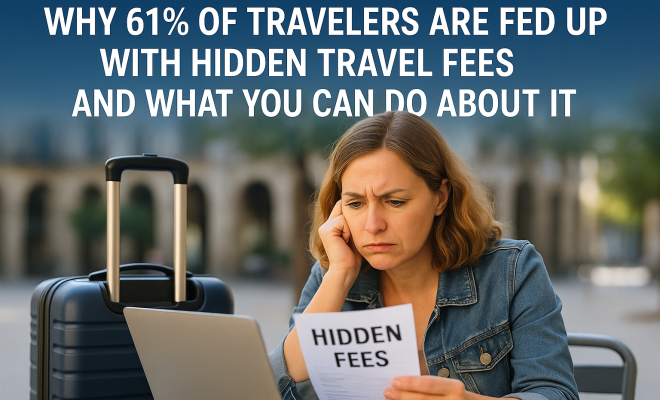
Why 61% of Travelers Are Fed Up with Hidden Travel Fees and What You Can Do About It
“`html
Booking a trip can often feel like an exciting adventure, but for many travelers, it turns into a frustrating experience when they encounter hidden travel fees. A recent survey conducted by Fullstory revealed that a staggering 61% of U.S. travelers consider hidden fees their top booking frustration. This growing concern points to a larger issue within the travel industry and reflects a palpable sense of distrust among consumers. In this article, we’ll explore the reasons behind these frustrations, how they’re impacting travel decisions, and what you can do to navigate these hidden costs.
1. The Rise of Hidden Travel Fees
Hidden travel fees have become a significant part of the booking landscape. These fees often include everything from baggage charges to resort fees, and sometimes, they’re not clearly disclosed until the final stages of booking. This lack of transparency can catch travelers off guard, leading to feelings of betrayal and anger.
A study from the American Society of Travel Advisors highlighted that hidden fees can inflate the final cost of a trip by as much as 20% or more. This means that a $1,000 trip could quickly balloon to $1,200 or more when all hidden charges are factored in. For many travelers, this situation breeds frustration, especially when they’re trying to stick to a budget.
2. The Impact of Hidden Fees on Travel Planning
The survey results also indicated that 31% of travelers are now booking their trips earlier than they used to. This shift is being driven by an attempt to offset rising costs associated with hidden fees. More and more, consumers are feeling the pressure of financial strain and are adjusting their booking habits in response.
Travelers are becoming increasingly proactive as they seek to avoid the pitfalls associated with last-minute bookings. By planning early, they hope to secure better deals and minimize the risk of unexpected charges. However, this can also lead to a paradox; while booking early can help in locking in prices, it can also lead to a rush of decision-making, which may not always result in the best choices.
3. Consumer Anger and Distrust
The frustration surrounding hidden travel fees has fueled a larger conversation about consumer trust. Many travelers feel that airlines, hotels, and travel companies are not being upfront about costs. This has led to a growing sentiment that the travel industry is exploiting consumers through a lack of transparency.
As a result, many travelers are taking to social media to voice their concerns. Negative reviews and posts about hidden fees are becoming increasingly common, creating a powerful narrative around the need for change within the travel sector. Trust is critical in maintaining customer loyalty, and as hidden fees continue to erode that trust, travel companies may face significant repercussions.
4. The Role of Technology in Trip Planning
The survey also uncovered that 15% of travelers are using AI tools for trip planning. Technology is playing an increasingly important role in how people approach travel, especially when it comes to budgeting. AI can help in comparing prices across different platforms, ultimately assisting travelers in finding the best deals without hidden fees.
Moreover, these tools can provide insights into the total cost of a trip, including potential hidden fees, allowing travelers to make more informed decisions. With so many options available online, utilizing technology is becoming a necessity for savvy travelers looking to stretch their budgets. (See: CDC Travel Health Information.)
5. Common Hidden Fees to Watch For
Understanding the most common hidden travel fees can empower travelers to make more informed decisions. Here are a few key fees that often catch travelers by surprise:
- Baggage Fees: Many airlines charge fees for checked bags, and these fees can vary significantly based on the airline and route.
- Resort Fees: Hotels may tack on daily resort fees that cover amenities, even if you don’t use them.
- Booking Fees: Some travel platforms charge a fee for booking through their service.
- Cancellation Fees: Many bookings come with strict cancellation policies, and fees can apply if you need to change your travel plans.
- Service Fees: Fees for using certain payment methods or for customer service assistance can also add to your total.
By familiarizing yourself with these common charges, you can better prepare for the true cost of your travel plans.
6. Strategies to Avoid Hidden Fees
While hidden fees are often unavoidable, there are strategies you can employ to minimize their impact. Here are some actionable tips:
- Read the Fine Print: Always check the terms and conditions related to your booking, paying special attention to any fees that may apply.
- Compare Prices: Use multiple travel websites to compare prices and potential fees, ensuring you find the best deal.
- Contact Customer Service: If you’re unsure about fees or charges, don’t hesitate to call customer service for clarification.
- Join Loyalty Programs: Many airlines and hotels offer loyalty programs that can help you avoid certain fees.
These practical steps can make a significant difference in your overall travel budget.
7. The Future of Travel Transparency
With consumer frustration at an all-time high, the travel industry is starting to feel the pressure to be more transparent about fees. Some companies are adopting clearer pricing structures, and regulatory bodies are beginning to take a closer look at the practices of airlines and hotels.
For instance, some airlines have started to include all fees in the upfront pricing on their websites, which can significantly enhance the booking experience for customers. As more travelers demand transparency, it’s likely that the industry will continue to adapt and evolve in response to these pressures.
8. The Psychological Impact of Hidden Fees
The psychological toll of encountering hidden fees can be significant. The frustration and anger felt by consumers are often compounded by feelings of helplessness and distrust. The experience of being misled can overshadow the joy of planning a trip, creating a negative association with travel.
This emotional response can lead to travelers opting for domestic vacations instead of international trips or avoiding certain airlines altogether. In a market where consumer choices are abundant, businesses that fail to acknowledge these feelings risk losing customers to competitors who value transparency.
9. Empowering Yourself as a Traveler
Ultimately, empowerment lies in knowledge. Understanding the landscape of hidden travel fees can help you make more informed decisions and advocate for yourself when booking travel. Engage with other travelers online, share experiences, and stay vocal about your frustrations. By collectively pushing for transparency, you can contribute to a cultural shift within the industry.
In addition to awareness, consider leveraging technology to your advantage. Using AI tools can assist in revealing hidden fees before you book, allowing you to make proactive choices that align with your budget. (See: Associated Press News on Travel.)
10. Final Thoughts on Hidden Travel Fees
Hidden travel fees are a significant source of frustration for many travelers, but understanding them doesn’t have to ruin your travel experiences. By being aware of common fees, employing strategies to avoid them, and demanding transparency, you can reclaim control over your travel planning. As the industry evolves, let’s hope that the emphasis on consumer trust and honesty continues to grow. With increased awareness, both travelers and travel companies can work towards a more transparent and enjoyable booking experience.
11. Understanding the Types of Hidden Travel Fees
Hidden travel fees can be classified into several categories, each presenting unique challenges for travelers. Understanding these categories can help you identify and manage potential costs before they affect your travel budget.
- Mandatory Fees: These are fees that travelers absolutely must pay, such as government taxes and airport security fees. While these are often disclosed, their fluctuating rates can still catch travelers off guard.
- Optional Fees: These fees are presented as optional but can be misleading. For example, some airlines may offer priority boarding for an extra charge, which can seem appealing but may not be necessary for all travelers.
- Service Fees: Often associated with booking sites or travel agents, these fees can be an added cost to your trip. Being aware of service fees from third-party sites can help you decide whether using them is worth the potential cost.
- Utility Fees: When booking accommodations, you might encounter charges for internet access or in-room entertainment that can significantly increase your stay’s cost. Always check what amenities are included.
12. Examples of Hidden Fees in Different Travel Sectors
Different sectors of the travel industry have their own unique hidden fees. Let’s take a closer look:
Airlines
Airlines have become notorious for their hidden fees. Aside from baggage charges, many airlines charge for seat selection, meals, and even printing boarding passes at the airport. For instance, a major airline recently started charging passengers for choosing their seats at the time of booking, which can add up quickly for families traveling together.
Hotels
Hotels often include numerous hidden fees in the fine print. In addition to resort fees, you might encounter charges for early check-in or late check-out. A hotel chain recently faced backlash for charging $25 for early check-in, which seemed steep to many guests eager to get into their rooms.
Car Rentals
Car rental agencies frequently tack on extra fees, including those for extra drivers, GPS systems, and fuel policies. Some agencies charge exorbitant fees for fuel if you return the car with less gas than it had when picked up, even if the charge is not disclosed upfront.
13. Statistics on the Impact of Hidden Fees
The impact of hidden travel fees is more than just personal frustration; it affects the travel industry’s revenue and consumer behavior. Here are some key statistics:
- Average Increase: Travelers report that hidden fees can increase their overall trip costs by an average of 15% to 25%.
- Consumer Preferences: According to a study by the Travel Industry Association, 45% of travelers say they would avoid booking with airlines or hotels that they believe are not transparent about fees.
- Booking Behavior: A recent survey found that 70% of travelers are now more likely to review a company’s fee structure before making a booking decision.
14. Expert Perspectives on Hidden Fees
Industry experts emphasize the need for greater transparency in travel pricing. Many argue that clear communication about fees could foster loyalty among consumers. Travel consultant Jane Smith notes, “When companies are upfront about their pricing, it builds trust. Consumers appreciate honesty and are more likely to return for future bookings.” (See: New York Times Travel Section.)
Economist John Doe suggests that the rise of hidden fees reflects a broader trend in consumer businesses. “As competition increases, companies may feel pressured to find new revenue streams, but at the cost of customer loyalty. In the long run, transparency will be the winning strategy.”
15. FAQs About Hidden Travel Fees
To help you navigate through the complexities of hidden travel fees, here are some frequently asked questions:
- What are hidden travel fees?
Hidden travel fees are additional costs that are not clearly disclosed at the time of booking. They can include charges for services like baggage, resort amenities, and booking fees. - How can I identify hidden fees?
Read the fine print when booking, check multiple sources, and look for reviews specifically mentioning fees. Don’t hesitate to reach out to customer service for clarification. - Are there any regulations around hidden fees?
While some regulations exist, they vary by region and sector. It’s important to research the specific laws applicable to the airlines or hotels you are considering. - What should I do if I encounter hidden fees?
If you encounter unexpected fees, first try contacting customer service for clarification. If you feel misled, consider filing a complaint with consumer protection agencies or sharing your experience online. - Can hidden fees impact my travel budget significantly?
Yes, hidden fees can add a significant percentage to your overall travel costs. Planning ahead and being aware of potential fees can help you manage your budget effectively.
16. Additional Hidden Fees to Consider
As you plan your next trip, it’s vital to keep an eye out for less obvious hidden fees that could sneak up on you. Here are some additional fees that travelers frequently overlook:
- In-room Charges: Many hotels offer snacks and beverages in the room, but a quick check of the price list can reveal exorbitantly high charges for items that seem standard.
- Parking Fees: If you’re driving to your destination, don’t forget to account for parking fees that hotels may charge, which can range from $10 to $50 per night.
- Wi-Fi Fees: While many hotels now offer free Wi-Fi, some still charge daily access fees, especially in more luxurious accommodations.
- Resort Fees: As discussed, these can often include gym access, pool use, and other amenities, but if you don’t plan to use them, that’s money out of your pocket.
- Administrative Fees: Occasionally, travel companies charge for using a credit card, especially international ones. This added fee can vary based on the card or company.
17. How to Effectively Research Hidden Fees
Researching hidden travel fees can be daunting, but with the right approach, you can uncover potential costs before they hit your wallet. Here are some strategies:
- Use Fee Comparison Tools: Some websites specialize in comparing not just prices but also the fees associated with travel bookings. Utilize these tools to get a clearer picture.
- Read Reviews: Websites like TripAdvisor and Yelp often have travelers sharing their experiences with hidden fees. Look for recent reviews that specifically mention costs.
- Consult Travel Forums: Platforms like Reddit and travel blogs can provide insight from fellow travelers who’ve encountered hidden fees you might not have considered.
- Engage with Customer Support: Before booking, don’t be shy about asking customer service representatives pointed questions about any possible fees.
18. Future Trends in Hidden Travel Fees
Looking ahead, there are trends that could shape how hidden travel fees are disclosed and managed. With increasing calls for transparency from consumers and regulatory bodies, companies may adapt in the following ways:
- Standardized Fee Disclosure: There may be movement towards a standardized format for disclosing fees to promote clarity and simplicity for consumers.
- Increased Regulation: Governments may introduce stricter regulations regarding the disclosure of hidden fees, making it mandatory for companies to provide comprehensive breakdowns upfront.
- Technology Advancements: As technology continues to evolve, expect more tools that can automatically calculate total trip costs, including potential hidden fees, at the time of booking.
- Consumer Advocacy: Groups advocating for consumer rights may gain traction, pushing for fairer practices and clearer communications in the travel industry.
By keeping these insights in mind, you can better navigate the complexities of hidden travel fees and make your travel experiences more enjoyable and budget-friendly.
“`
Trending Now
- How Voice Search Reviews Are Reshaping…
- our breakdown of the game-changing google review statistics every business owner needs to know in 2026
- our breakdown of unlocking the future: how claude code seo can propel startups to new heights
- Unlocking Opportunities: How to Discover Recently…
Frequently Asked Questions
What are hidden travel fees?
Hidden travel fees are additional charges that are not clearly disclosed during the initial booking process. They can include costs like baggage fees, resort fees, and service charges that can significantly inflate the final price of a trip.
Why are travelers frustrated with hidden fees?
Travelers are frustrated with hidden fees because they can increase the cost of a trip by 20% or more, leading to feelings of betrayal and distrust in the travel industry as these charges are often revealed only at the final stages of booking.
How do hidden fees affect travel planning?
Hidden fees have prompted 31% of travelers to book their trips earlier than before. This change aims to manage rising costs and secure better deals, as travelers seek to avoid unexpected charges that can disrupt their budgets.
What can travelers do to avoid hidden fees?
To avoid hidden fees, travelers should read the fine print, compare total costs across different platforms, and book early. Being proactive can help minimize the risk of unexpected charges during the booking process.
How much can hidden fees increase travel costs?
Hidden fees can inflate the final price of a trip by as much as 20% or more. For example, a $1,000 trip could potentially rise to $1,200 or more when all hidden charges are included.
What’s your take on this? Share your thoughts in the comments below — we read every one.