Protecting Our Tech: 7 Ways Space Weather Could Save Society
“`html
Introduction
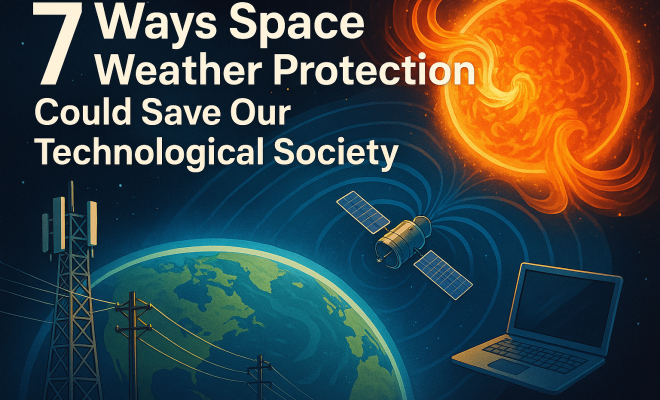
As humanity continues to depend increasingly on technology, the potential risks posed by space weather phenomena loom larger than ever. The profound connection between severe space weather and our everyday lives cannot be understated, as geomagnetic storms threaten vital satellite communications, navigation systems, and power infrastructures. This article explores the pressing need for space weather protection and its implications for our technologically reliant society.
Understanding Space Weather
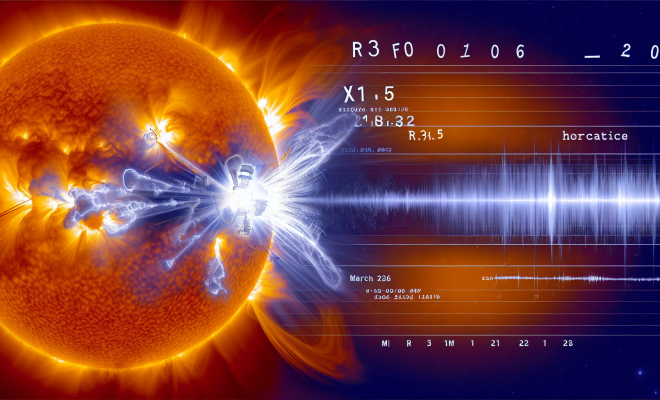
Space weather refers to the environmental conditions in space caused by solar activity, which can have significant impacts on Earth. The Sun emits a constant flow of charged particles, known as solar wind, and occasionally experiences explosive events such as solar flares and coronal mass ejections (CMEs). These phenomena can unleash vast quantities of charged particles towards Earth, leading to geomagnetic storms when they interact with our planet’s magnetic field.
Geomagnetic storms have the potential to disrupt communications, navigation, and power systems on Earth. The relationship between solar activity and technological systems forms the basis for understanding the critical need for space weather protection. As our reliance on technology increases, so too does our vulnerability to the impacts of space weather.
The Growing Dependence on Technology
In today’s fast-paced world, technology is woven into the fabric of our daily lives. From smartphones that keep us connected to GPS systems that guide us through unfamiliar terrain, the dependence on satellite technology is undeniable. However, this growing reliance comes with a caveat: an increasing vulnerability to the effects of severe space weather.
The interconnectedness of global communication networks, financial systems, and emergency services relies heavily on satellites and ground-based infrastructure. For instance, geomagnetic storms can induce electric currents in power lines, potentially leading to widespread blackouts. In 1989, a geomagnetic storm caused a nine-hour outage of Hydro-Québec’s power grid, leaving millions without electricity. As technology advances, the potential for similar or even more devastating incidents grows, highlighting the critical importance of space weather protection.
Real-World Impacts of Severe Space Weather
Historically, severe space weather events have caused significant disruptions to technology and infrastructure. For example, the 1859 Carrington Event, one of the most powerful solar storms on record, resulted in widespread auroras and disrupted telegraph systems. Modern society’s dependence on technology means that the stakes are far higher today.
In addition to potential power outages, geomagnetic storms can disrupt GPS systems, leading to accuracy issues in navigation. This is particularly concerning for industries such as aviation and shipping, where precise location data is crucial. The impacts of space weather can also extend to financial markets, as disruptions to satellite communications could affect stock trading and electronic banking transactions.
Mechanisms of Space Weather Protection
To mitigate the risks posed by space weather, various mechanisms for space weather protection must be considered. These approaches range from technological to policy-based solutions aimed at safeguarding our infrastructures and ensuring the resilience of critical systems.
- Monitoring and Forecasting: Enhanced monitoring of solar activity and accurate forecasting of geomagnetic storms are essential for preemptively addressing potential disruptions. Organizations like the National Oceanic and Atmospheric Administration (NOAA) and the European Space Agency (ESA) provide vital data on space weather conditions.
- Hardening Infrastructure: Upgrading critical infrastructure to withstand the effects of geomagnetic storms is a proactive approach to space weather protection. This may involve reinforcing power grids, installing surge protectors, and developing more resilient satellite technologies.
International Collaboration for Space Weather Protection
As space weather affects all nations, international collaboration is essential for effective space weather protection. Various countries have established partnerships to share data and improve forecasting capabilities. Initiatives such as the International Space Environment Service (ISES) promote cooperation among different countries to enhance global awareness and preparedness for space weather events.
Furthermore, organizations like the United Nations Office for Outer Space Affairs (UNOOSA) emphasize the importance of space weather research and disaster preparedness. By fostering collaboration, countries can develop comprehensive strategies to mitigate the impacts of geomagnetic storms on their infrastructures. (See: NASA's solar system exploration.)
Technological Innovations in Space Weather Protection
Technological innovation plays a critical role in enhancing space weather protection. Advanced satellite systems equipped with state-of-the-art sensors and instrumentation can provide real-time data on solar activity, enabling accurate forecasting and timely alerts for potential geomagnetic storms.
Furthermore, research into advanced materials and engineering practices can lead to the development of more resilient infrastructure. For example, scientists are investigating the use of superconducting materials in power grids that are less susceptible to geomagnetic-induced currents. Such innovations can significantly reduce the vulnerability of critical systems to space weather events.
The Role of Policy and Regulation
Government policy and regulation are essential components of space weather protection. Policymakers must prioritize the development of frameworks that address the risks associated with space weather and encourage investment in resilient technologies. This includes establishing guidelines for hardening critical infrastructure and mandating reporting systems for solar activity.
Moreover, increasing public awareness of the risks posed by space weather can lead to more informed decision-making regarding technology usage and infrastructure investments. Educating the public about the potential impacts of geomagnetic storms can foster a culture of preparedness, encouraging individuals and organizations to take proactive measures.
Case Studies of Space Weather Events
Examining case studies of past space weather events provides valuable insights into the potential impacts of severe geomagnetic storms. The 1989 Quebec blackout, caused by a geomagnetic storm, demonstrated the vulnerabilities of power grids and the ripple effects that such disruptions can have on society.
Another notable incident occurred in 2003, known as the Halloween Storms, when a series of powerful solar flares and CMEs led to extensive disruptions in satellite operations and communication systems. The events highlighted the need for a robust response to mitigate the impacts of space weather on technological infrastructure.
Future Developments in Space Weather Protection
As technology continues to evolve, the future of space weather protection will likely involve a combination of innovative technologies, international collaboration, and proactive policy measures. Investments in research and development are crucial for advancing our understanding of space weather and its effects on Earth.
Additionally, public-private partnerships can accelerate the development of protective technologies and infrastructure, ensuring that both government and private entities are prepared to respond to the challenges posed by space weather. The integration of artificial intelligence and machine learning in forecasting models may also enhance predictive accuracy, allowing for more timely warnings and better preparedness.
Understanding Solar Cycles and Their Effects
The Sun operates on an approximately 11-year solar cycle, characterized by varying levels of solar activity. During periods of high activity, known as solar maximum, the frequency of solar flares and CMEs increases significantly. Conversely, during solar minimum, solar activity decreases. Understanding these cycles is crucial for effective space weather protection, as heightened solar activity correlates with an increased risk of geomagnetic storms.
According to the National Aeronautics and Space Administration (NASA), the current solar cycle, Solar Cycle 25, is expected to peak around 2025. Predictions indicate that this cycle could be more intense than its predecessor, which could lead to increased instances of solar storms affecting Earth. This highlights the urgency for enhanced monitoring systems and protective measures to safeguard technology and infrastructure during these peak periods.
Public Awareness and Community Engagement
Public awareness is a crucial aspect of space weather protection. Communities should be informed about the potential impacts of space weather, as well as the measures they can take to mitigate risks. Local governments and organizations can implement education campaigns to disseminate information about space weather phenomena and their effects.
For example, workshops and seminars can be organized to educate the public on how to prepare for solar-induced power outages or disruptions in communication systems. Engaging the community in preparedness measures can foster resilience and a proactive culture regarding space weather risks. (See: NOAA space weather resources.)
Expert Perspectives on Space Weather Protection
Experts in space weather and related fields emphasize the importance of integrating space weather considerations into national security and emergency management strategies. Dr. Richard Fisher, a former director at NASA’s Heliophysics Division, has stated, “The potential impacts of space weather are profound, affecting everything from telecommunications to national security.” His perspective underlines the necessity for comprehensive policies that incorporate space weather risks into broader risk management frameworks.
Similarly, Dr. Bhola R. Ghosh, an astrophysicist, highlights the need for an interdisciplinary approach to space weather protection. “Collaboration between scientists, engineers, and policymakers is essential. We need to bridge the gap between research and practical applications to effectively protect our infrastructure,” he notes, emphasizing the importance of teamwork in tackling these complex challenges.
The Economic Implications of Space Weather
One of the critical aspects to understand regarding space weather protection is its economic impact. The National Academy of Sciences estimates that a severe solar storm could cause damages in the range of $1 trillion in the United States alone, affecting technology, infrastructure, and the economy at large. Industries such as telecommunications, transportation, and power management could experience significant financial losses due to outages and disruptions.
Moreover, the insurance industry is also at risk. As more businesses and individuals become reliant on technology, the potential claims from space weather-related incidents could increase substantially. This reality emphasizes the need for businesses to integrate space weather risk assessments into their operational strategies. By investing in protective technologies and developing contingency plans, companies can mitigate potential losses and maintain operational continuity.
Technological Innovations Under Development
Technological advances continue to play a key role in enhancing our ability to protect against space weather. One promising area of research focuses on developing satellites with improved shielding from solar radiation. Researchers are exploring materials that can withstand higher levels of radiation while maintaining functionality. These innovations may include advanced polymer coatings that provide additional resistance to solar flares and CMEs.
Moreover, terrestrial technologies such as smart grids are being designed to manage and distribute electricity more effectively during geomagnetic storms. These systems can reroute electricity in real-time, reducing the risk of transformer damage and outages. For instance, the Grid Modernization Initiative in the United States is an effort aimed at upgrading existing power grids to make them more resilient to space weather impacts.
Preparing for Future Solar Storms: A Community Approach
As the awareness of space weather risks continues to grow, a community-centered approach to preparedness is becoming vital. Local governments can play a significant role by creating emergency response plans that specifically address space weather scenarios. This can include establishing dedicated response teams, conducting drills, and creating communication channels to keep residents informed during space weather events.
Community engagement is essential. For example, neighborhood associations can hold meetings to discuss preparedness and share resources. Schools can incorporate education about space weather into their science curricula, ensuring that future generations are more informed and prepared. Crowdsourced information networks can also be developed to share real-time data about solar activity and its anticipated impacts on the community.
FAQs About Space Weather Protection
What is space weather?
Space weather refers to the environmental conditions in space caused primarily by solar activity, which can impact Earth’s magnetosphere and atmosphere, leading to phenomena such as geomagnetic storms and solar flares.
How can space weather affect technology?
Space weather can disrupt satellite communications, GPS navigation, and power grids. For instance, geomagnetic storms can induce electric currents that may cause transformer damage in power stations, leading to blackouts. (See: Scientific articles on space weather.)
What measures are taken for space weather forecasting?
Organizations such as NOAA and NASA monitor solar activity using satellites equipped with advanced sensors. They provide forecasts and alerts about potential geomagnetic storms, allowing for proactive measures to be taken.
Why is international collaboration necessary for space weather protection?
Space weather phenomena do not adhere to national borders; thus, collaboration is essential for data sharing, improved forecasting, and coordinated responses to mitigate the impacts of severe space weather on global infrastructure.
What can individuals do to prepare for space weather events?
Individuals can stay informed about space weather forecasts, develop emergency plans for potential power outages, and consider investing in backup power sources or surge protectors to safeguard electronic devices.
What future technologies might enhance space weather protection?
Future technologies may include advanced materials for power grids, AI-driven predictive models for accurate forecasting, and improved satellite systems designed to withstand geomagnetic storms, thereby enhancing overall resilience.
What are some historical examples of space weather events?
The Carrington Event of 1859 and the Quebec blackout of 1989 are significant historical examples. The Carrington Event caused widespread disruptions to telegraph systems, while the Quebec blackout demonstrated the vulnerabilities of power grids to geomagnetic storms.
How does space weather affect aviation?
Space weather can impact aviation through disruptions in GPS navigation and increased radiation exposure for airline passengers and crew flying at high altitudes. Airlines often reroute flights during severe solar events to minimize risks.
Conclusion: The Imperative for Space Weather Protection
As our society becomes increasingly interconnected with technological systems that are vulnerable to space weather events, the importance of space weather protection cannot be overstated. Through monitoring, infrastructure hardening, international collaboration, and innovative technologies, we can better prepare for the inevitable impacts of geomagnetic storms.
By prioritizing space weather protection, we can safeguard our technological society and ensure that the benefits of our advancements are not compromised by the unpredictable forces of nature. Now is the time for action—both at the individual and collective levels—to enhance our resilience against the ever-present threat of space weather.
“`
Trending Now
Frequently Asked Questions
What is space weather and why is it important?
Space weather refers to the environmental conditions in space caused by solar activity, including solar flares and coronal mass ejections. It is important because these phenomena can disrupt Earth's technological systems, affecting communications, navigation, and power infrastructures, which are vital for modern society.
How does space weather affect technology?
Space weather can impact technology by inducing geomagnetic storms that disrupt satellite communications, navigation systems, and power grids. These disruptions can lead to outages, data loss, and operational challenges for various technology-dependent sectors.
What are geomagnetic storms?
Geomagnetic storms are disturbances in Earth's magnetic field caused by solar wind and solar activity, such as coronal mass ejections. They can induce electric currents that disrupt technology, leading to potential failures in communication and power systems.
Why do we need space weather protection?
Space weather protection is essential to safeguard our technological infrastructure from the adverse effects of solar activity. As society becomes more dependent on technology, protecting against geomagnetic storms and other space weather phenomena is crucial to ensuring stability and continuity.
What can be done to protect against space weather?
To protect against space weather, measures can include developing early warning systems, hardening technology against electromagnetic interference, and implementing contingency plans for power and communication systems to minimize disruptions during geomagnetic storms.
What did we miss? Let us know in the comments and join the conversation.