Boost AI ROI: Why Data Literacy is Crucial for Higher Ed Success
“`html
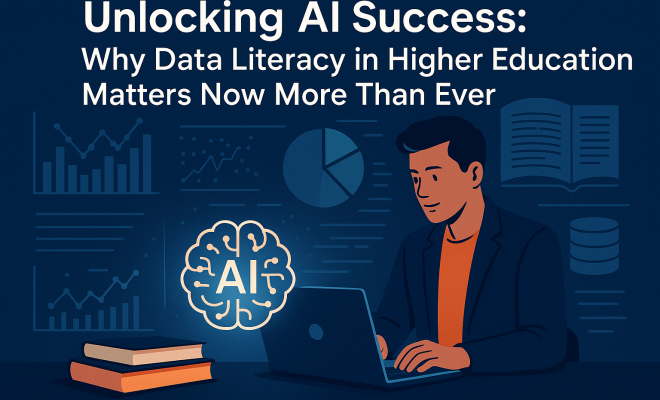
In today’s digital age, the intersection of data and education presents both opportunities and challenges for institutions of higher learning. As artificial intelligence (AI) continues to play a transformative role in higher education, the importance of data literacy in higher education cannot be overstated. Understanding how to harness and interpret vast amounts of data has become crucial for maximizing the return on investment (ROI) from AI initiatives. This article will explore the essential facets of data literacy and its pivotal role in ensuring successful AI implementation across colleges and universities.
1. The Essence of Data Literacy: Understanding its Importance
Data literacy is defined as the ability to read, understand, create, and communicate data as information. In the context of higher education, this skill extends beyond mere number-crunching. According to Chris Hein from Google, data literacy encompasses the ability to make sense of large volumes of data and distinguish signal from noise. This skill is vital in an educational environment where decisions are often data-driven.
Without sufficient data literacy, faculty and staff may struggle to interpret results accurately or may draw misleading conclusions from incomplete or biased datasets. This lack of understanding can lead to poor decision-making, particularly when institutions invest heavily in AI technologies that promise to enhance educational outcomes. Thus, enhancing data literacy across campus becomes imperative to ensure that AI investments yield tangible benefits.
2. AI in Higher Education: A Growing Trend
The integration of AI into higher education is transforming various aspects of the learning environment, from administrative tasks to personalized learning experiences. Institutions are increasingly adopting AI tools to streamline operations, improve student engagement, and make data-driven decisions that enhance educational outcomes. However, the success of these AI initiatives heavily relies on the workforce’s ability to leverage data effectively.
As schools explore expensive AI rollouts, the necessity for a data-literate workforce intensifies. Educators and administrators must not only understand how to operate AI tools but also grasp the underlying principles of data governance, ethics, and responsible use. This comprehension is essential to navigate potential pitfalls associated with AI, such as bias in algorithms or privacy concerns related to data usage.
3. The Role of Data Governance: Ensuring Responsible Use
Data governance represents a framework that ensures data quality, integrity, and security within an institution. As AI tools rely on data to function effectively, understanding how data is created, stored, and managed becomes crucial. Institutions must establish clear governance protocols that dictate who has access to data, how it can be used, and the standards for data quality.
A robust data governance framework can mitigate risks associated with data misuse and enhance the reliability of insights derived from AI. Moreover, it empowers staff to make informed decisions based on accurate and relevant data. Institutions must prioritize developing governance policies that promote transparency and accountability, thereby fostering a culture of responsible data use.
4. Bridging the Data Literacy Gap: Strategies for Institutions
To maximize the ROI of AI investments, higher education institutions must address the data literacy gap among faculty and staff. By implementing targeted training programs, institutions can equip employees with the necessary skills to analyze and interpret data effectively. Professional development workshops, online courses, and collaborative learning environments can serve as effective platforms for enhancing data literacy.
Additionally, fostering a culture of continuous learning and data-driven decision-making can inspire faculty and staff to embrace data literacy as an integral part of their roles. Institutions should encourage interdisciplinary collaboration, where departments work together to share insights and best practices in data usage. Such initiatives can help demystify data analysis and promote a collective understanding of its importance within the educational context.
5. Real-World Applications of Data Literacy: Case Studies
Several institutions have successfully integrated data literacy into their strategic plans, leading to improved outcomes in AI utilization. For example, Georgia State University has established a data analytics program that empowers faculty with the skills necessary to leverage data in enhancing student retention rates. Through targeted interventions based on data analysis, the university has seen a notable decrease in drop-out rates. (See: importance of data literacy in education.)
Similarly, Northern Arizona University has implemented a data-informed decision-making framework that encourages departments to utilize data analytics for program development and evaluation. These case studies highlight the tangible benefits of investing in data literacy and demonstrate how a well-informed workforce can drive AI initiatives towards success.
6. Challenges to Data Literacy: Identifying Barriers
Despite the clear benefits of data literacy, several challenges persist in achieving widespread understanding within higher education. One significant barrier is the lack of resources allocated for training and development. Often, institutions prioritize other initiatives, leaving data literacy at the bottom of the agenda.
Moreover, the rapid pace of technological advancements can create a daunting learning curve for faculty and staff, leading to resistance toward adopting new data-driven practices. Institutions must address these barriers by creating a supportive environment that values continuous professional development and encourages open dialogue about the importance of data literacy in improving institutional efficacy.
7. The Future of AI and Data Literacy: Preparing for What’s Ahead
As AI continues to evolve, so too will the landscape of data literacy in higher education. Institutions must remain agile and adapt to emerging trends in data analysis and AI applications. By anticipating changes in the technological landscape, higher education can position itself to harness the full potential of AI tools and maximize their impact on learning outcomes.
Moreover, as data literacy becomes increasingly critical, institutions must advocate for the incorporation of data literacy into curricula. By teaching students the skills necessary to navigate the complex data landscape, colleges and universities can prepare the next generation of leaders to use data responsibly and effectively, thereby enhancing their educational experiences.
8. Institutional Accountability: A Key Component of Success
Institutional accountability plays a pivotal role in ensuring the success of data literacy initiatives. Colleges and universities must establish clear metrics to evaluate the effectiveness of their data literacy programs and their impact on AI implementation. This accountability fosters a culture of transparency and encourages continuous improvement.
Additionally, institutions should regularly revisit their data governance frameworks to align them with evolving best practices. By committing to accountability, higher education institutions can build trust among stakeholders, including students, faculty, and administrative staff, thereby reinforcing the importance of data literacy in driving successful outcomes.
9. Exploring the Economic Impact of Data Literacy: A Broader Perspective
The economic implications of data literacy in higher education extend beyond mere institutional benefits; they also encompass wider societal outcomes. According to a report by the World Economic Forum, organizations that prioritize data skills are 80% more likely to achieve stronger financial performance than their less data-savvy counterparts. This statistic underscores the urgency for higher education institutions to equip graduates with data literacy skills that align with market demands.
Furthermore, a study from the Georgetown University Center on Education and the Workforce found that workers with high data literacy earn 16% more than their peers with lower data skills. This wage premium reflects the growing demand for data-literate professionals in various industries, including technology, finance, and healthcare. As institutions of higher education play a crucial role in preparing students for the workforce, emphasizing data literacy can enhance graduates’ employability and contribute to economic growth.
10. Global Perspectives on Data Literacy in Higher Education: A Comparative Analysis
Data literacy initiatives are not limited to the United States; many countries around the world are recognizing the importance of this skill in higher education. For instance, the European Union has launched several initiatives aimed at boosting data literacy among students and educators. Programs like the Digital Education Action Plan emphasize the importance of data skills as part of digital literacy, aiming to prepare students for a rapidly evolving digital landscape.
In Asia, countries such as Singapore have integrated data literacy into their national education framework. The Ministry of Education has introduced data analysis courses that are mandatory for students at various educational levels, highlighting a proactive approach to equipping young people with the skills necessary to thrive in a data-driven world. (See: data literacy resources from CDC.)
Comparatively, while the U.S. focuses on institutional initiatives, other countries might integrate data literacy into broader educational reforms. This global perspective emphasizes the need for collaboration among nations to share best practices and cultivate a more data-literate global population.
11. FAQs about Data Literacy in Higher Education
What is data literacy in the context of higher education?
Data literacy in higher education refers to the ability of students, faculty, and staff to read, understand, create, and communicate data effectively. It encompasses the skills necessary to analyze datasets, draw conclusions, and make informed decisions based on data insights.
Why is data literacy important for students?
Data literacy equips students with the skills needed to succeed in a data-driven job market. As employers increasingly seek candidates who can analyze and interpret data, having a strong foundation in data literacy enhances students’ employability and prepares them for various career paths.
How can institutions improve data literacy among faculty and staff?
Institutions can improve data literacy by implementing training programs, workshops, and collaborative learning opportunities. Encouraging interdisciplinary collaboration and promoting a culture that values data-driven decision-making are also crucial for fostering data literacy.
What role does technology play in enhancing data literacy?
Technology serves as a critical enabler in enhancing data literacy. Advanced data analytics tools, visualization software, and online learning platforms can provide faculty and students with the necessary resources and skills to analyze and interpret data effectively.
How does data literacy contribute to successful AI implementation?
Data literacy is essential for successful AI implementation because it empowers educators and administrators to understand and leverage data effectively. A data-literate workforce can make informed decisions about AI applications, minimizing risks and maximizing benefits associated with AI technologies.
12. Comparative Data Literacy Frameworks: Learning from Different Models
A number of institutions have developed unique models to enhance data literacy that others can learn from. For instance, Carnegie Mellon University features a comprehensive data literacy program that emphasizes both theoretical and practical components of data science. This program includes courses that delve into statistical theory, data visualization, and hands-on data manipulation, ensuring that graduates are well prepared to tackle real-world data challenges.
In contrast, the University of California, Berkeley adopts a more decentralized approach, encouraging various departments to develop their own data literacy initiatives tailored to their specific needs. This flexibility allows for a more nuanced understanding of data relevant to diverse fields such as social sciences, humanities, and natural sciences, ultimately fostering a broader culture of data literacy across the institution.
These comparative frameworks highlight the need for institutions to evaluate their data literacy strategies continuously, ensuring they are relevant and effective in meeting the demands of an ever-evolving educational landscape. (See: Harvard's insights on data literacy.)
13. The Role of Faculty in Promoting Data Literacy: Strategies for Engagement
Faculty members play a crucial role in promoting data literacy among students. They can integrate data literacy into their curricula by incorporating data analysis projects, encouraging students to use data visualization tools, and fostering discussions on the ethical implications of data usage.
Moreover, faculty can serve as mentors, guiding students on how to interpret and analyze data critically. By modeling best practices in data literacy, faculty can inspire students to value data-driven insights in their academic and professional pursuits.
Additionally, universities can support faculty development by providing resources and training to improve their own data literacy skills, thereby enhancing their teaching effectiveness and the overall educational experience for students.
14. Data Literacy and Lifelong Learning: Preparing for a Dynamic Workforce
The rapid pace of technological evolution underscores the need for continuous learning in data literacy. As industries increasingly rely on data for decision-making, data literacy will become a fundamental skill set for professionals across all fields. Institutions of higher education must prepare students not only for their first jobs but also for an ever-changing workforce landscape.
To this end, higher education institutions should consider offering lifelong learning opportunities, such as workshops or certification programs in data literacy for both alumni and current students. This approach would ensure that graduates remain competitive and well-equipped to adapt to new data technologies and methodologies throughout their careers.
15. Conclusion: The Imperative for Data Literacy in Higher Education
In conclusion, as higher education institutions increasingly invest in AI technologies, the need for robust data literacy has never been more pressing. The ability to understand and effectively utilize data will determine the success or failure of these initiatives. By prioritizing data literacy, enhancing governance protocols, and fostering a culture of accountability, institutions can ensure that their AI investments yield significant returns.
Ultimately, the journey toward enhanced data literacy in higher education is not only about adopting new technologies but also about empowering individuals to make informed decisions. As the landscape of education continues to evolve, embracing data literacy will be the key to unlocking the full potential of AI and ensuring a brighter future for all stakeholders involved.
“`
Trending Now
Frequently Asked Questions
What is data literacy in higher education?
Data literacy in higher education refers to the ability to read, understand, create, and communicate data as information. It is essential for faculty and staff to interpret data accurately, make informed decisions, and maximize the return on investment from AI initiatives.
Why is data literacy important for AI success in colleges?
Data literacy is crucial for AI success in colleges because it enables educators to interpret data correctly and avoid misleading conclusions. Without sufficient data literacy, institutions risk poor decision-making, undermining their investments in AI technologies aimed at improving educational outcomes.
How is AI transforming higher education?
AI is transforming higher education by enhancing administrative efficiency, personalizing learning experiences, and enabling data-driven decision-making. Institutions are leveraging AI tools to streamline operations and improve student engagement, ultimately leading to better educational outcomes.
What are the challenges of implementing AI in higher education?
The challenges of implementing AI in higher education include the need for adequate data literacy among faculty and staff, potential biases in datasets, and the risk of making poor decisions based on misinterpreted data. Addressing these challenges is vital for successful AI integration.
How can colleges improve data literacy among staff?
Colleges can improve data literacy among staff by providing targeted training programs, workshops, and resources focused on data interpretation and analysis. Encouraging collaboration between departments and integrating data literacy into the curriculum can also enhance overall understanding and application.
Agree or disagree? Drop a comment and tell us what you think.