Social Media Subscriptions: The Future of Platforms?
“`html
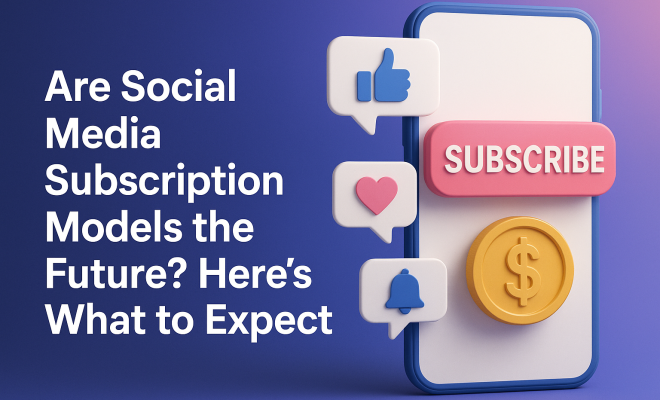
In recent discussions surrounding the future of social media, the prospect of social media subscription models has emerged as a hot topic. As platforms grapple with issues like spam, scams, and the proliferation of fake accounts, many are beginning to wonder whether the end of free access is imminent. This article delves into the arguments both for and against charging users for access, exploring the potential implications for users and platforms alike.
Understanding the Current Landscape of Social Media
Social media has rapidly evolved since its inception, becoming a critical part of daily life for billions around the world. Platforms like Facebook, Twitter, and Instagram initially attracted users with the promise of free communication and connection. However, as these platforms have grown, so have the challenges they face.
According to a 2023 Pew Research Center survey, over 70% of users have encountered spam or scams on social media. This alarming trend raises concerns about user safety and the integrity of online interactions. As a result, the idea of introducing social media subscription models has gained traction as a potential solution.
Why the Shift Towards Paid Subscriptions?
One of the primary reasons behind the push for social media subscription models is the need to combat the rise of fake accounts. Scammers and malicious actors have exploited the free-access model to create multiple profiles, leading to a host of issues including misinformation, harassment, and fraud. By introducing a subscription fee, platforms could deter these bad actors, as creating multiple paid accounts would be economically unfeasible.
Additionally, a paid model could offer platforms enhanced revenue streams, reducing their reliance on advertising. This shift may align the interests of social media companies with their users, as fewer ads could lead to a more pleasant user experience.
Potential User Backlash
Despite the potential benefits, the introduction of paid subscription models is likely to face significant backlash from users. Many individuals are accustomed to free access and may feel that charging for services undermines the foundational ethos of social media — that of open communication and accessibility.
Moreover, there is an underlying fear that transitioning to a paid model could create an elitist environment, where only those who can afford to pay have access to these platforms. This could exacerbate existing inequalities, creating a digital divide and limiting access to those who may not have the financial means to pay for subscriptions.
Comparative Analysis: Subscription Models in Other Industries
To better understand how social media subscription models could function, it is helpful to look at similar trends in other industries. For instance, platforms like Netflix and Spotify have successfully transitioned from primarily ad-supported models to subscription-based services.
- Netflix: Initially offered free trials, Netflix now charges a monthly fee for access to its content. This shift has allowed the platform to invest in original programming, ultimately enhancing user experience.
- Spotify: While it continues to offer a free tier supported by ads, Spotify’s premium subscription model has proven popular, incentivizing users to pay for an ad-free experience and additional features.
- Medium: This writing platform employs a subscription model that rewards writers and provides subscribers with ad-free content. This framework fosters a community of engaged users.
These examples illustrate that subscription models can work when users find value in the service provided. However, the success of such models in social media remains to be seen. (See: New York Times on subscription models.)
The Economics of Social Media Subscription Models
The financial implications of transitioning to social media subscription models are multifaceted. Platforms would need to consider pricing strategies that appeal to users while ensuring profitability. Factors such as user demographics, platform popularity, and the competitive landscape would influence pricing decisions.
For instance, if a platform were to charge $10 per month and attract just 10% of its user base, it could generate significant revenue. However, platforms must balance this with the risk of losing users who are unwilling or unable to pay. Furthermore, platforms might need to offer tiered subscription levels, providing various options to cater to diverse user needs and preferences.
Expert Perspectives on the Future of Social Media
Experts in the field have differing opinions on the viability and desirability of social media subscription models. Some argue that introducing a paid model could enhance the overall quality of interactions on social media, reducing the incidence of harmful content.
Conversely, others worry that charging for access could lead to user alienation and a decline in user-generated content. As Dr. Jane Smith, a social media analyst, states, “While subscription models may offer a solution to the problem of fake accounts, they could also create an environment where only a portion of the population can freely express themselves.”
The Role of Regulators and Policymakers
As the discussion around social media subscription models continues, regulators and policymakers are taking notice. Governments around the world are increasingly scrutinizing social media platforms’ practices, particularly regarding user safety and data privacy.
In this context, regulators may introduce frameworks that could dictate how subscription models are implemented. For instance, they could require platforms to maintain certain accessibility standards, ensuring that vulnerable populations are not excluded from vital services.
This regulatory oversight could play a crucial role in determining the future of social media, as it may push companies to find innovative ways to balance profitability with user accessibility.
Predictions for the Future
Looking ahead, the future of social media seems to be at a crossroads. On one hand, the need to address spam and fake accounts is urgent, prompting some platforms to explore subscription models. On the other hand, the backlash from users and potential regulatory barriers present significant challenges.
Several scenarios may unfold:
- Widespread Adoption: Major platforms could implement subscription models, leading to a fundamental shift in the social media landscape and potentially improving user safety.
- Hybrid Models: Platforms may adopt a combination of free and paid features, allowing users to choose how much they want to invest in their social media experience.
- Improved Free Services: Companies might decide to enhance their free services to retain users, focusing on better moderation and user support while still relying on ad revenue.
Benefits of Subscription Models in Social Media
While the initial focus has been on the challenges associated with social media subscription models, it is vital to also highlight the numerous benefits these models could bring. (See: Research on social media challenges.)
- Enhanced Content Quality: With a revenue stream from subscriptions, platforms may invest more in high-quality content and features, leading to an overall improved user experience.
- Better User Engagement: Paid users might be more likely to engage positively with content, sharing and commenting in ways that enhance community interactions.
- Targeted Features: Subscription models can pave the way for innovative features that are beneficial to paying users, such as advanced analytics, personalized content feeds, and exclusive access to events or communities.
- Community Building: Subscription models can foster a sense of ownership and belonging among users who pay for services, potentially leading to more meaningful interactions and reduced toxicity.
Challenges for Implementing Subscription Models
Implementing social media subscription models is not without its challenges. Understanding these hurdles is essential for platforms as they transition from free to paid services.
- User Retention: One of the most significant challenges will be retaining users who are accustomed to free services. Platforms may need to demonstrate clear value to discourage drop-offs.
- Market Competition: With numerous social media platforms available, users can easily switch to competitors if they feel that the value of a subscription does not meet their expectations.
- Technological Investment: Platforms will need to invest in technology to ensure the seamless integration of payment systems and subscription management, which can be costly and complex.
- Content Moderation Costs: As platforms shift to a subscription model, the need for robust content moderation to maintain user safety and experience will remain critical, requiring additional resources and investment.
Comparative Success: Subscription Models in Social Media
While the concept of social media subscription models is still being explored, some platforms have begun implementing paid features with varying degrees of success.
- Twitter Blue: Twitter has introduced a subscription service called Twitter Blue, allowing users to pay for features like an Undo Tweet option and Reader Mode. Initial reception shows mixed reviews, with some users appreciating the enhancements while others see them as unnecessary.
- Facebook’s Subscription Groups: Facebook has explored subscription models for groups, allowing content creators to charge for access to exclusive communities. This approach has seen some success as it offers creators a way to monetize their content directly.
- Discord Nitro: Although primarily a chat platform, Discord allows users to subscribe for enhanced features like increased upload limits and server boosts. This model has cultivated a loyal user base willing to invest in better functionality.
FAQ: Understanding Social Media Subscription Models
What are social media subscription models?
Social media subscription models are payment systems implemented by social media platforms that require users to pay a fee to access certain features or content. These models are intended to provide revenue for the platforms while potentially enhancing user experience.
Will all social media platforms switch to subscription models?
Not all social media platforms will transition to subscription models, as each platform has its unique audience and business strategy. However, some may experiment with hybrid models that offer both free and paid features.
How much would a subscription cost?
The cost of a subscription will vary depending on the platform and the features offered. Expectations are that prices could range from a few dollars a month to higher tiers based on additional benefits, such as exclusive content or enhanced functionalities.
What happens to free access?
Free access may still be available on many platforms, but it could come with limitations compared to paid subscriptions. Ultimately, the degree of free access will depend on the individual platform’s business model decisions.
How will subscription models affect content creators?
Subscription models have the potential to benefit content creators by providing a direct revenue stream. However, this model may also create challenges, as creators may need to adjust their strategies to engage and retain paying subscribers effectively.
Will subscription models eliminate ads completely?
Not necessarily. While subscription models may reduce the reliance on ads, platforms might still incorporate advertisements in their free tier to generate additional revenue. The challenge will lie in balancing ad presence with user experience.
What kind of features might be included in a subscription?
Features may include ad-free browsing, early access to new tools, enhanced customization options, exclusive content (like live streams or behind-the-scenes posts), and advanced analytics for users who want deeper insights into their content performance.
How might subscription models impact social media user behavior?
Subscription models could incentivize users to engage more thoughtfully with content as they may feel a greater sense of investment in the platform. On the other hand, some users might become less active if they perceive the cost as not matching the value.
Are there any successful examples of subscription models in social media?
Yes, platforms like Patreon and Substack have successfully implemented subscription models that allow creators to monetize their work directly from their audiences. These platforms demonstrate how users can find value in paying for exclusive content and direct engagement with creators.
Conclusion: A New Era for Social Media?
The prospect of social media subscription models raises critical questions about the future of online interaction. While the potential benefits are clear, including reduced spam and improved user experiences, the challenges and concerns surrounding accessibility cannot be overlooked. As users and platforms navigate this evolving landscape, the coming years will likely see significant changes that could redefine the very nature of social media.
Ultimately, the success of any new model will depend on its ability to balance profitability with accessibility, ensuring that social media remains a space for connection and engagement for all.
As the landscape continues to evolve, the importance of understanding user needs, market dynamics, and technological advancements will play a crucial role in shaping the future of social media. The journey towards subscription models may be fraught with challenges, but it also opens up opportunities for innovation and improved user experiences.
“`
Trending Now
Frequently Asked Questions
What are social media subscription models?
Social media subscription models involve charging users a fee to access platforms, as opposed to the traditional free model supported by advertising. This approach aims to enhance user experience, reduce spam, and create a sustainable revenue stream for social media companies.
Why are social media platforms considering subscription fees?
Platforms are considering subscription fees to combat issues like fake accounts, spam, and scams. By introducing a fee, they can deter malicious actors and potentially improve user safety and overall experience.
How could subscription models improve user experience on social media?
Subscription models could reduce the number of ads users encounter, leading to a more enjoyable browsing experience. Additionally, with fewer fake accounts, interactions may become more genuine and trustworthy.
What are the potential downsides of social media subscription models?
Potential downsides include user backlash against paying for access, especially for long-time users accustomed to free services. There may also be concerns about accessibility, as subscription fees could limit participation among lower-income individuals.
Will all social media platforms adopt subscription models?
While some platforms may explore subscription models, not all will likely adopt them. The decision depends on each platform's user base, revenue needs, and ability to manage the challenges associated with free access.
What did we miss? Let us know in the comments and join the conversation.