Marine Technology Transfer: A Path to Climate Justice
“`html
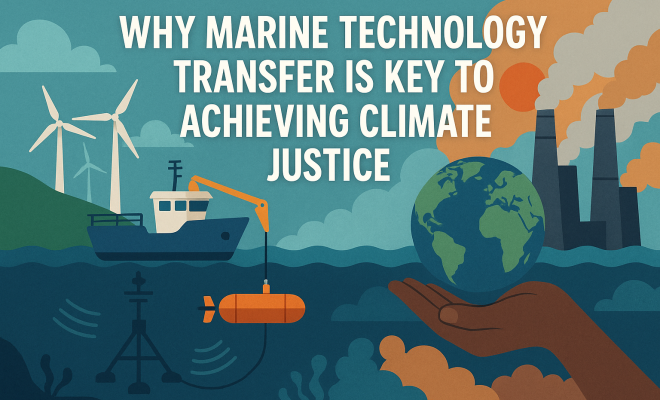
The conversation surrounding climate justice is gaining momentum, with discussions often centering on the inequities that arise as nations and communities confront the impacts of climate change. One area that warrants deeper exploration is marine technology transfer, which plays a crucial role in advancing adaptation strategies for vulnerable coastal and island communities. This article delves into how the transfer of marine technology can achieve climate justice, the systemic challenges that hinder progress, and the opportunities that lie ahead.
Understanding Marine Technology Transfer
At its core, marine technology transfer refers to the process through which knowledge, equipment, and expertise related to marine and ocean technologies are shared between countries or organizations. This can include a wide range of innovations, from advanced fishing gear designed to reduce by-catch to sophisticated systems for monitoring ocean health.
In the context of climate change, marine technology transfer encompasses the sharing of tools and methods that help communities adapt to rising sea levels, shifting fish stocks, and changing oceanic conditions. However, access to these technologies is often uneven, with systemic barriers that disproportionately affect developing nations.
The Intersection of Climate Justice and Marine Technology
Climate justice seeks to address the social, economic, and political inequalities that arise from climate change impacts. It advocates for equitable access to the resources and technologies necessary for communities to adapt and thrive. However, the current discourse surrounding climate adaptation technologies often overlooks the marine sector.
For example, discussions about renewable energy sources like solar and wind technologies dominate the climate narrative, overshadowing the crucial role that marine technologies play in adaptation and mitigation efforts. This imbalance raises pressing questions about who benefits from climate innovation and who is left behind.
Barriers to Accessing Marine Technologies
Several systemic challenges hinder equitable access to marine technology transfer, particularly for nations that are most vulnerable to the impacts of climate change. These barriers can be categorized into three main areas: intellectual property issues, financial constraints, and capacity limitations.
- Intellectual Property Issues: The current framework surrounding intellectual property rights often favors developed nations and corporations, leading to restrictive licensing agreements that limit access to essential technologies. For instance, many marine adaptation technologies are patented, making them costly and inaccessible to developing nations.
- Financial Constraints: Developing countries often lack the financial resources needed to invest in advanced marine technologies. Even when technologies are available, the high costs associated with procurement and implementation can be prohibitive. International funding mechanisms are sometimes inadequate or slow to respond to urgent needs.
- Capacity Limitations: Many regions struggle with a lack of technical expertise and infrastructure to effectively adopt and implement marine technologies. This is further compounded by limited research and development capabilities, which stifle innovation and adaptation.
Current Landscape of Marine Technology Transfer
As climate change continues to accelerate, the need for effective marine technology transfer becomes increasingly urgent. However, as noted in the recent article from Frontiers, the focus on marine adaptation technologies remains disproportionately low compared to more mainstream renewable technologies.
Despite the challenges, there are notable instances where marine technology transfer has succeeded. For example, collaborative efforts between developed and developing nations in sharing knowledge related to sustainable fisheries have shown promising results. Through international partnerships, communities have gained access to improved fishing practices, leading to better livelihoods and resource management. (See: Climate change and health fact sheet.)
Opportunities for Advancing Marine Technology Transfer
To address the systemic barriers associated with marine technology transfer, several opportunities must be explored. By fostering collaboration and innovation, it is possible to create a more equitable landscape for adaptation technologies.
- Strengthening International Agreements: Revising international agreements on intellectual property rights to be more inclusive can help ensure that marine technologies are accessible to those who need them most. This could involve creating flexible licensing frameworks that allow for easier sharing of adaptation technologies.
- Public-Private Partnerships: Forming partnerships between governments, NGOs, and private sector entities can enhance the capacity for technology transfer. These collaborations can leverage resources and expertise, enabling the development and dissemination of marine technologies.
- Investing in Education and Training: Building local capacity through education and training initiatives is vital for effective technology transfer. Programs focused on skill development can empower communities to adopt and implement marine technologies successfully.
Real-World Case Studies: Success Stories
To illustrate the potential of marine technology transfer in achieving climate justice, it’s essential to highlight successful case studies from around the globe. These examples demonstrate how collaborative efforts can break down barriers and facilitate access to vital adaptation technologies.
1. Coastal Restoration Projects in the Caribbean
In the Caribbean, various projects focused on coastal restoration have successfully integrated marine technology transfer. Initiatives aimed at restoring mangroves and coral reefs have not only enhanced biodiversity but also provided communities with natural barriers against storm surges and erosion.
By partnering with local communities, scientists have shared techniques and tools for monitoring marine health. These collaborations have empowered communities to take ownership of their natural resources, leading to sustainable practices that bolster resilience against climate impacts.
2. Fishing Practices in Southeast Asia
In Southeast Asia, a collaborative initiative involving NGOs and local fishermen has led to the adoption of sustainable fishing technologies. By focusing on traditional knowledge and integrating modern technology, communities have successfully reduced overfishing and improved fish stocks.
Through workshops and training sessions, fishermen learned how to utilize fish aggregating devices (FADs) that minimize by-catch while maximizing catch efficiency. This transfer of knowledge has not only improved livelihoods but has also promoted environmental stewardship.
3. Aquaculture Innovations in Africa
In several African nations, aquaculture has emerged as a vital means of food security and economic resilience. Innovative marine technologies have been shared through partnerships between local universities and international research institutions. These collaborations have introduced sustainable aquaculture practices, including integrated multi-trophic aquaculture (IMTA), which maximizes resource efficiency and minimizes environmental impacts.
For example, in Nigeria, the introduction of IMTA systems has allowed fish farmers to grow multiple species in harmony, leading to better yields and more sustainable practices. These systems have also created new market opportunities and reduced reliance on wild fish stocks, thus contributing to overall marine biodiversity conservation.
Challenges to Overcome for Future Success
While there are many success stories, significant challenges remain. The path forward requires concerted efforts to address the systemic issues that hinder marine technology transfer.
- Political Will: Gaining political support for marine technology initiatives is critical. Governments must prioritize climate adaptation and commit resources to support technology transfer initiatives.
- Long-Term Commitment: Sustainable change requires long-term investment in marine technology transfer. Short-term funding cycles often limit the effectiveness of adaptation initiatives, underscoring the need for sustained support.
- Inclusivity in Decision-Making: Involving local communities in decision-making processes ensures that technology transfer efforts align with the needs and priorities of those directly affected by climate change.
The Role of Policy in Marine Technology Transfer
Policy plays a pivotal role in shaping the landscape of marine technology transfer. To facilitate equitable access to marine adaptation technologies, policymakers must prioritize climate justice in their agendas. (See: Understanding climate justice issues.)
Integrating marine technology transfer into national and international climate strategies can help ensure that vulnerable communities receive the support they need. Additionally, policies that promote research and development in marine technologies can foster innovation and collaboration.
Countries can establish marine technology transfer centers to facilitate knowledge exchange. These centers can serve as hubs for training and capacity building, equipping communities with the skills necessary to utilize marine technologies effectively.
Future Trends in Marine Technology Transfer
Looking ahead, several trends are emerging that may influence the landscape of marine technology transfer. These trends highlight the importance of adaptability and responsiveness in technological advancements and policy frameworks.
- Increased Digitalization: The rise of digital technologies, including remote sensing and artificial intelligence, offers new avenues for monitoring and managing marine resources. These technologies can facilitate better data sharing and decision-making processes, particularly in regions where traditional methods may be less effective.
- Focus on Renewable Marine Energy: As the demand for renewable energy grows, marine technologies such as tidal and wave energy are gaining attention. These developments not only contribute to energy security but also provide new opportunities for technology transfer, particularly in coastal communities prone to the impacts of climate change.
- Emphasis on Circular Economy: The circular economy model is increasingly being integrated into marine industries. This approach emphasizes sustainability and resource efficiency, presenting new opportunities for collaboration and technology transfer aimed at reducing waste and enhancing resource management.
- Strengthening Community Resilience: Future trends will likely see an increased focus on not just implementing technologies but also ensuring that local communities are resilient to the changing climate. This could involve technologies that facilitate early warning systems for extreme weather events, ensuring that communities can respond effectively and mitigate potential disasters.
Frequently Asked Questions about Marine Technology Transfer
1. What is the primary purpose of marine technology transfer?
The primary purpose of marine technology transfer is to share knowledge, equipment, and expertise related to marine and ocean technologies between countries and organizations. This ensures that vulnerable communities can access tools and methods necessary for adapting to climate change impacts.
2. How does marine technology transfer contribute to climate justice?
Marine technology transfer contributes to climate justice by providing equitable access to technologies that help vulnerable communities adapt to climate change. It helps level the playing field by empowering these communities with the resources they need to respond to environmental challenges.
3. What challenges do developing countries face in accessing marine technologies?
Developing countries often face barriers such as restrictive intellectual property laws, limited financial resources, and inadequate technical expertise. These challenges can hinder their ability to access and implement essential marine technologies for adaptation and resilience.
4. What role do international agreements play in marine technology transfer?
International agreements can facilitate marine technology transfer by establishing frameworks that promote knowledge sharing, research collaboration, and equitable access. Revisions to intellectual property laws within these agreements can enhance access to marine technologies for developing nations. (See: Marine technology and climate adaptation.)
5. Can you provide examples of successful marine technology transfer initiatives?
Successful marine technology transfer initiatives include coastal restoration projects in the Caribbean that enhance community resilience, sustainable fishing practices in Southeast Asia that improve livelihoods, and innovative aquaculture systems in Africa that promote food security and biodiversity conservation.
6. How can community engagement enhance marine technology transfer?
Community engagement is crucial for the success of marine technology transfer. By involving local stakeholders in the planning and implementation processes, projects can be tailored to meet the specific needs and challenges faced by coastal communities. This approach fosters a sense of ownership and responsibility, increasing the likelihood of sustainable practices being adopted and maintained.
7. What are some potential impacts of climate change on marine ecosystems?
Climate change poses several threats to marine ecosystems, including ocean acidification, rising sea temperatures, and increasing frequency of extreme weather events. These changes can lead to coral bleaching, shifts in fish populations, and loss of biodiversity, which further complicate the challenges faced by communities reliant on marine resources.
Conclusion: A Call to Action for Climate Justice
The intersection of marine technology transfer and climate justice represents a critical opportunity for addressing the inequities associated with climate change. By breaking down systemic barriers and fostering collaboration, we can ensure that all communities have access to the adaptation technologies necessary for resilience.
It is imperative for policymakers, scientists, and community leaders to work together to create an inclusive framework that prioritizes marine technology transfer. Only then can we hope to achieve a just and equitable approach to climate adaptation, ensuring that no one is left behind in the fight against climate change.
As we move forward, the global community must recognize the importance of marine technologies in the broader narrative of climate justice and take decisive steps to enhance access and capacity. The time for action is now, and marine technology transfer could be a powerful tool in building a more equitable future for all.
“`
Trending Now
Frequently Asked Questions
What is marine technology transfer?
Marine technology transfer refers to the process of sharing knowledge, equipment, and expertise related to marine and ocean technologies between countries or organizations. This includes innovations aimed at improving sustainability and adaptation strategies for communities affected by climate change.
How does marine technology transfer relate to climate justice?
Marine technology transfer is crucial for achieving climate justice as it addresses the inequities in access to resources and technologies. It enables vulnerable coastal and island communities to adapt to climate change impacts, thereby promoting equitable opportunities for resilience and sustainability.
Why is marine technology important for adaptation to climate change?
Marine technology is vital for adaptation to climate change as it provides tools and methods to help communities cope with rising sea levels, shifting fish stocks, and changing ocean conditions. These technologies enhance the resilience of vulnerable populations against climate impacts.
What are the challenges in marine technology transfer?
Challenges in marine technology transfer include systemic barriers such as unequal access, lack of funding, and insufficient infrastructure in developing nations. These obstacles hinder the sharing of critical technologies that could help vulnerable communities adapt to climate change.
How can we promote equitable access to marine technologies?
Promoting equitable access to marine technologies involves addressing systemic inequalities, increasing investment in research and development, and fostering international collaboration. These efforts can help ensure that vulnerable communities receive the tools they need to adapt to climate change.
Have you experienced this yourself? We’d love to hear your story in the comments.