Boost Your Practice: Healthcare Online Reputation Management
“`html
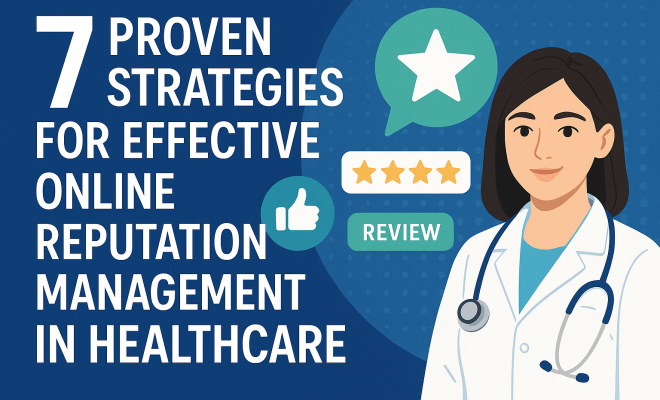
The world of healthcare is undergoing a significant transformation as online reputation management becomes increasingly important for practices seeking to thrive in a digital landscape. With a growing reliance on online reviews and ratings from platforms such as Google Business Profile, Yelp, and specialty review sites, the way patients perceive healthcare providers can make or break a practice. In this comprehensive guide, we will explore the essentials of online reputation management in healthcare, offering practical strategies to enhance your practice’s visibility and credibility.
The Importance of Online Reputation Management
Online reputation management (ORM) in healthcare refers to the proactive and reactive measures taken by providers to monitor, influence, and maintain their online presence. With patients turning to the internet to research providers and healthcare options, a strong online reputation is no longer optional; it’s essential.
Research has shown that around 70% of patients read online reviews before selecting a healthcare provider. Moreover, a staggering 84% trust online reviews as much as personal recommendations. These statistics highlight the critical need for healthcare providers to actively manage their online reputations, as negative reviews can lead to missed appointments and lost revenue.
Understanding the Landscape of Online Reviews
Today’s healthcare practices are evaluated based on a variety of factors including star ratings, the volume of reviews, and the content of those reviews. Patients are not just looking for high star ratings; they are also interested in recent experiences from other patients. As a result, the perception of a practice can be significantly influenced by the most current feedback available online.
In addition to traditional review sites, automated AI-generated summaries appear in search results, affecting first impressions. These summaries can enhance or distort patient perceptions, making it critical for healthcare practices to ensure that they are represented accurately and positively across all platforms.
Strategies for Effective Online Reputation Management
To effectively manage your healthcare practice’s online reputation, consider implementing the following strategies:
- 1. Request Reviews Promptly: Send review requests to patients within 24 hours of their visit. This timeframe ensures that their experiences are fresh in their minds, increasing the likelihood of positive feedback.
- 2. Leverage Text Messaging: Utilize text messages for review requests as they have a significantly higher response rate compared to email. Text messages are more immediate and accessible for patients.
- 3. Monitor Your Online Presence: Regularly check your practice’s online reviews across various platforms. Use tools that allow you to track mentions of your practice to stay informed about patient feedback.
- 4. Respond to Feedback: Develop a strategy for responding to both positive and negative reviews. Aim to respond to negative reviews within 48 hours, showing patients that you care about their concerns and are committed to improving their experience.
- 5. Aim for Performance Targets: Set measurable goals for your online reputation. For instance, strive for an average rating of at least 4.2 stars, trending upwards in review volume, and aiming for a 100% response rate to negative reviews.
- 6. Encourage Positive Reviews: Create a culture where happy patients are encouraged to share their experiences. This can be done through follow-up communications or during patient interactions.
- 7. Educate Your Staff: Ensure that your team understands the importance of online reputation management. Train them on how to handle patient feedback and promote positive experiences.
The Role of Trust in Patient Decision-Making
In a world where information is readily available, trust plays a crucial role in patient decision-making. Patients are increasingly skeptical, often relying on online ratings and reviews as a means of gauging the quality and reliability of healthcare providers. Research indicates that patients are more likely to choose providers with a significant number of positive reviews and a strong online presence.
The emotional weight of trust in healthcare cannot be overstated. Patients seek assurance that they are making the right choice for their health, and negative online reputations can lead to doubt and anxiety. Therefore, practices must prioritize transparency and authenticity in their online interactions to build trust with potential patients.
The Impact of AI on Online Reviews
As artificial intelligence continues to evolve, its impact on online reputation management in healthcare is becoming more pronounced. AI-generated summaries can influence first impressions by presenting information about a practice that may not always reflect the most current patient feedback. This can create a gap between actual patient experiences and public perceptions.
Healthcare providers must stay abreast of how AI algorithms function and their implications for reputation management. It is essential to claim and optimize business listings across various platforms to ensure that accurate information is presented in automated summaries. Furthermore, providers should engage with patients on social media and review sites to counteract any negative perceptions that may arise from AI-generated content.
Best Practices for Responding to Negative Reviews
Negative reviews can be daunting, but they also present an opportunity for growth and improvement. Here are some best practices for responding to unfavorable feedback:
- Stay Professional: Always respond in a professional manner, regardless of the tone of the review. Avoid getting defensive; instead, acknowledge the patient’s concerns.
- Be Timely: Aim to respond to negative reviews within 48 hours. This demonstrates that you take patient feedback seriously and are willing to address issues promptly.
- Offer Solutions: If applicable, provide solutions or corrective actions that have been taken to resolve the issue. This shows prospective patients that you are dedicated to improving their experience.
- Take the Conversation Offline: If possible, offer to discuss the matter further through private channels. This reduces the visibility of conflicts while still addressing the concerns of the reviewer.
Utilizing Data to Drive ORM Decisions
Data plays a pivotal role in shaping effective online reputation management strategies. By analyzing review trends and patient feedback, healthcare practices can identify areas for improvement and tailor their outreach efforts accordingly.
For example, tracking the types of reviews received—whether they are positive or negative—can help practices understand what aspects of their service resonate with patients and what needs enhancement. Additionally, measuring response rates to review requests can inform marketing strategies and guide staff training.
Creating a Culture of Patient Engagement
Building an effective online reputation hinges not just on managing reviews but also on fostering patient engagement. Encouraging open communication with patients can lead to a positive cycle of feedback and improvement.
Consider implementing patient satisfaction surveys, either digitally or in-person, to gather insights about their experiences. Additionally, engage with patients through social media platforms by sharing health tips, practice updates, and responding to inquiries. This proactive approach can enhance patient loyalty and create advocates for your practice.
Integrating Online Reputation Management into Your Marketing Strategy
Online reputation management should be an integral part of your overall marketing strategy. By aligning ORM with your marketing efforts, you can create a cohesive brand image that resonates with patients. Here are several ways to integrate ORM into your marketing strategy:
- Highlight Positive Reviews: Use testimonials and positive reviews in your marketing materials, such as brochures, websites, and social media posts. This reinforces the trust and credibility of your practice.
- Create Engaging Content: Develop content that addresses common patient concerns, showcases your expertise, and highlights your practice’s values. Focusing on patient education not only helps in ORM but also positions your practice as a leader in the field.
- Optimize Your Website for Local SEO: Ensure that your website is optimized for local search engines to increase visibility. This includes using keywords related to online reputation management healthcare, creating location-specific pages, and ensuring your contact information is easily accessible.
- Leverage Social Media: Actively engage with patients on social media platforms. Share success stories, respond to inquiries, and promote community involvement to create a positive image for your practice.
Measuring the Success of Your ORM Efforts
To determine the effectiveness of your online reputation management strategies, it’s important to establish key performance indicators (KPIs) that align with your practice’s goals. Here are some metrics to measure:
- Review Volume and Ratings: Track the number of reviews and star ratings across different platforms. An increase in volume and positive ratings indicates successful ORM efforts.
- Response Rate: Measure how quickly and effectively your practice responds to reviews, both positive and negative. High response rates can enhance your practice’s credibility.
- Patient Acquisition Rates: Monitor the number of new patients acquired over a defined period. A steady increase may correlate with effective ORM practices.
- Social Media Engagement Metrics: Analyze likes, shares, and comments on your social media posts to gauge patient engagement and sentiment.
Common Challenges in Online Reputation Management
While managing an online reputation can significantly benefit healthcare practices, it also presents several challenges. Here are some common obstacles and ways to overcome them:
- Negative Feedback: The presence of negative reviews can dishearten providers. To address this, cultivate a culture of continuous improvement and view negative feedback as a tool for growth.
- Time Constraints: Many healthcare providers and staff are pressed for time. Consider delegating ORM tasks to a dedicated team member or outsourcing to a professional ORM company to ensure consistent management.
- Staying Current with Trends: The digital landscape is ever-evolving, making it essential to stay updated on ORM trends and best practices. Regularly participate in training and workshops to enhance your digital skills.
- Managing Multiple Platforms: With numerous review platforms available, managing each can be daunting. Use ORM tools that centralize reviews and analytics to streamline the process.
Frequently Asked Questions (FAQ)
1. What is online reputation management in healthcare?
Online reputation management in healthcare refers to the strategies and practices healthcare providers use to monitor, influence, and maintain their online presence, particularly on review platforms and social media. It involves managing both positive and negative feedback to enhance a provider’s credibility and attract more patients.
2. Why is online reputation management important for healthcare practices?
ORM is crucial for healthcare practices because patients increasingly rely on online reviews to make decisions about their healthcare providers. A strong online reputation can improve patient trust, increase appointment bookings, and ultimately enhance practice profitability.
3. How can I improve my practice’s online reputation?
Improving your practice’s online reputation can be achieved through various strategies, including requesting reviews from satisfied patients, responding to feedback promptly, engaging on social media, and providing high-quality patient care consistently.
4. What should I do if I receive a negative review?
When you receive a negative review, respond professionally and promptly. Acknowledge the patient’s concerns, offer to discuss the issue privately, and provide solutions if applicable. Showing that you care and are willing to improve can help mitigate the impact of negative feedback.
5. How can I encourage patients to leave positive reviews?
Encourage patients to leave positive reviews by requesting feedback shortly after their appointment, possibly through text messages or follow-up emails. Additionally, creating a culture that values patient feedback and making the review process easy can increase the likelihood of receiving positive reviews.
6. Is online reputation management a one-time effort?
No, online reputation management is an ongoing process. Continuous monitoring, regular engagement with patients, and proactive efforts to enhance your online presence are essential to maintain a positive reputation in the digital landscape.
Additional Strategies for Enhancing Online Reputation in Healthcare
While the previously mentioned strategies provide a solid foundation for ORM, there are more advanced methods that can propel your healthcare practice’s reputation management efforts to the next level.
1. Utilize Video Testimonials
Incorporating video testimonials from satisfied patients can significantly enhance your online reputation. Video content is more engaging than text, and potential patients are more likely to trust genuine accounts of patient experiences. Consider creating a dedicated section of your website or social media pages for these testimonials, making sure you obtain consent from patients before sharing their stories.
2. Collaborate with Influencers and Local Organizations
Partnering with local influencers or health-related organizations can help amplify your practice’s message. Influencers and organizations often have established trust with their audience, which can translate into credibility for your practice. This can include hosting health seminars or workshops together, promoting your services, or engaging in community health initiatives.
3. Optimize Patient Experience
Every interaction a patient has with your practice contributes to your online reputation. Therefore, optimizing the patient experience should be a priority. This includes everything from the ease of scheduling appointments to the friendliness of staff and the quality of care provided. Regularly solicit feedback from patients about their experiences and make changes based on that input to foster a positive reputation.
4. Engage with Third-Party Review Sites
Many patients consult third-party review sites before making decisions. Engaging with these platforms can increase your visibility. Consider responding to reviews on these sites and ensuring that your practice profile is complete with accurate information and appealing images. This will enhance your credibility and encourage more patients to choose your practice.
Advanced Analytics for ORM
Adopting advanced analytics tools can provide deeper insights into how your practice is perceived online. Tools like Google Analytics, social media analytics, and ORM-specific software can help you track patient engagements and sentiment. Monitoring trends in patient feedback can help you adapt your strategies effectively. For instance, if you notice a consistent complaint about wait times, addressing this issue can lead to improved reviews and patient satisfaction.
Measuring ROI on ORM Initiatives
Calculating the return on investment (ROI) for online reputation management initiatives can be challenging but necessary to justify your efforts. Here are some approaches:
- Tracking New Patient Growth: Measure the increase in new patient appointments before and after implementing ORM strategies to determine their effectiveness.
- Patient Retention Rates: Analyze retention rates over time to see if there’s a correlation between your ORM efforts and patient loyalty.
- Revenue Increases: Monitor overall revenue growth and associate spikes with positive reviews or successful ORM campaigns to evaluate financial impact.
The Future of Online Reputation Management in Healthcare
As we move into 2026, the importance of online reputation management in healthcare will only continue to grow. With patients relying heavily on online reviews and AI-generated summaries, the stakes have never been higher for healthcare providers to actively manage their reputations.
By implementing the strategies outlined in this guide, providers can enhance their visibility, build trust with patients, and ultimately improve their practice’s bottom line. In a landscape where every review counts, it is crucial for healthcare practices to embrace the ongoing challenge of reputation management as a fundamental component of their success.
“`
Trending Now
- this guide on 3 pairs of shoes that add style to any man’s collection
- TRIBIT Rolls Out Major Firmware Update for StormBox Blast 2, Elevating Summer Audio Experien
- this guide on how the charles schwab economy insights can help you navigate today’s financial landscape
- 5 Key Imperatives for Strengthening American…
- this guide on unlocking social media success: 10 proven strategies to find your niche for affiliate marketing
Frequently Asked Questions
What is online reputation management in healthcare?
Online reputation management (ORM) in healthcare involves proactive and reactive strategies to monitor, influence, and maintain a provider's online presence. This includes managing reviews and ratings on platforms like Google Business Profile and Yelp to enhance credibility and visibility, which is crucial as patients increasingly rely on online information when selecting healthcare providers.
Why is online reputation important for healthcare providers?
Online reputation is vital for healthcare providers because approximately 70% of patients read online reviews before choosing a provider. A positive online presence builds trust, while negative reviews can lead to missed appointments and lost revenue. Managing this reputation is essential in today’s digital landscape where patients seek reliable information online.
How do online reviews affect patient decisions?
Online reviews significantly impact patient decisions as 84% of individuals trust them as much as personal recommendations. Patients consider not only the star ratings but also the recency and content of reviews, making it crucial for healthcare practices to actively manage and respond to feedback to shape positive perceptions.
What strategies can improve online reputation in healthcare?
Effective strategies for improving online reputation in healthcare include actively soliciting patient reviews, responding to feedback, monitoring online mentions, and maintaining an engaging presence on social media. These actions help build trust and encourage positive patient experiences, which are essential for a strong online reputation.
How can negative reviews impact a healthcare practice?
Negative reviews can have a detrimental impact on a healthcare practice by deterring potential patients, leading to decreased appointment bookings and revenue loss. Since many patients rely on online reviews, a few negative comments can significantly influence their perceptions and choices regarding healthcare providers.
Agree or disagree? Drop a comment and tell us what you think.