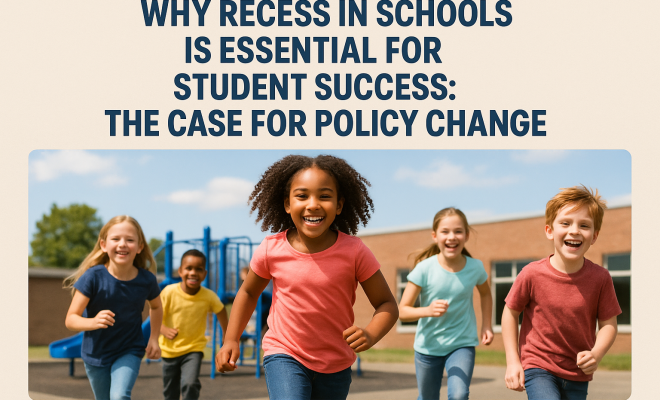
Why Recess in Schools is Essential for Student Success: The Case for Policy Change
“`html
The educational landscape in the United States is constantly evolving, yet one critical facet remains overlooked: recess in schools. Traditionally seen as a simple break from academic rigor, recess is increasingly recognized as a developmental necessity that fosters better educational outcomes. Despite the growing body of research underscoring its importance, only a mere 10 states mandate minimum recess periods. This stark reality raises an urgent question: How can we ensure that our education policies align with the developmental needs of children?
The Importance of Recess in Children’s Development
Recess serves multifaceted roles in the development of children, extending far beyond mere play. It is a vital period that promotes physical health, enhances social skills, and nurtures cognitive development. According to various studies, children who engage in regular physical activity during recess demonstrate improved attention spans and cognitive functioning in the classroom.
Furthermore, recess provides an environment for children to cultivate social skills through unstructured play. These interactions help build teamwork, communication, and conflict-resolution skills, which are essential for later success in life. The absence of sufficient recess can hinder these social developments, leading to increased behavioral problems and decreased emotional well-being.
Understanding the Physical Benefits
Physical health is a cornerstone of overall well-being, and recess is a key contributor to children’s physical activity levels. The Centers for Disease Control and Prevention (CDC) recommends that children engage in at least 60 minutes of physical activity each day. Unfortunately, many children fall short of this target due to limited opportunities to be active in traditional classroom settings. Recess offers a vital window for children to engage in exercise, which is crucial not only for maintaining a healthy weight but also for developing motor skills and coordination.
Statistics from the National Association for Sport and Physical Education indicate that children who partake in regular physical activity show enhanced cardiovascular fitness levels. Furthermore, regular physical activity can reduce the risk of chronic diseases such as obesity, heart disease, and diabetes, paving the way for healthier adult lives.
The Alarming Policy Gap
It is disheartening to note that only 10 U.S. states have policies that require schools to provide a minimum amount of recess. This significant policy gap raises critical questions about priorities in educational reform. How can we expect children to thrive academically when their basic needs for movement, socialization, and play are not met?
Educational policies that marginalize or overlook the necessity of recess send a troubling message that academic achievements are paramount, while children’s holistic development is secondary. This bias can lead to increased stress levels among children, resulting in anxiety and a lack of motivation to engage in the learning process.
The Academic Benefits of Recess
Research consistently shows that incorporating recess in schools correlates with improved academic performance. A study published in the journal Pediatrics found that students who had regular recess exhibited better concentration abilities, leading to enhanced academic performance in core subjects like math and reading.
Moreover, the physical activity that occurs during recess contributes to better overall health, which is a critical factor in student performance. Healthy children are more likely to attend school regularly and be engaged during lessons, ultimately contributing to higher test scores and better grades.
Case Studies: Successful Recess Policies
States and school districts that have implemented robust recess policies provide valuable case studies for the rest of the nation. For example, in New Jersey, schools are required to provide at least 20 minutes of recess each day. Since enacting this law, schools have reported a noticeable decrease in behavioral issues and an uptick in academic engagement. Teachers note that students return to the classroom more focused and ready to learn. (See: health and academic performance.)
Similarly, in the city of San Francisco, schools have adopted a policy of mandatory recess, resulting in a more conducive learning environment. Schools that prioritize recess have not only seen improved academic outcomes but also fostered a sense of community and collaboration among students.
International Perspectives on Recess
Comparative analysis with international education systems reveals that the U.S. is lagging in recognizing the critical role of recess. Countries like Finland have long championed the importance of play in childhood education. Finnish schools often provide children with multiple recess breaks throughout the day, resulting in lower stress levels and higher academic performance.
In Japan, schools incorporate structured and unstructured play into their curriculum, fostering both physical fitness and social relationships among students. The correlation between recess, health, and academic performance in these countries offers compelling evidence for revisiting U.S. educational policies.
Overcoming the Challenges
Despite the overwhelming evidence supporting the need for recess, several challenges remain in implementing effective policies nationwide. Budget constraints, academic pressures, and differing priorities among stakeholders often result in the sidelining of recess in favor of extended classroom hours.
To overcome these challenges, it is crucial for educators, parents, and policymakers to advocate for the integration of recess into the school day. By raising awareness about its benefits and presenting data-driven arguments, stakeholders can work collaboratively to make recess a non-negotiable component of education.
The Role of Parents and Community
Parents and local communities play a pivotal role in advocating for recess in schools. Engaging in community dialogues, attending school board meetings, and collaborating with teachers can help amplify the message that recess is essential for children’s well-being and academic success.
Furthermore, parents can support initiatives that promote active play and physical fitness outside of school. By modeling healthy habits, parents can reinforce the importance of play and advocacy for recess. Community-led programs that emphasize physical activity can also create a supportive environment for the necessity of recess.
Best Practices for Implementing Recess
For schools looking to establish or enhance their recess programs, there are several best practices to consider:
- Structured and Unstructured Play: Create a balance between structured games and free play to cater to different interests and abilities.
- Inclusive Environments: Ensure that all students, regardless of ability, have access to safe and engaging recess activities.
- Educator Training: Train teachers and staff on the importance of recess and how to facilitate play effectively.
- Regular Assessment: Continuously assess and adjust recess programs based on student feedback and observed outcomes.
The Future of Recess in Schools
As the dialogue surrounding education reform continues, the importance of recess in schools must not be overlooked. Advocating for policy changes that require minimum recess periods can be a step toward addressing the developmental needs of children in a holistic manner.
By prioritizing recess, educators and policymakers have the opportunity to foster a healthier, more engaged, and academically successful generation of students. The time has come for U.S. policy to catch up with the compelling evidence: recess is not just a luxury; it is an essential component of comprehensive education.
Conclusion: A Call to Action
In conclusion, the push for recess in schools transcends mere convenience; it is a fundamental need that shapes children’s futures. As research continues to highlight the myriad benefits of recess, it is imperative for advocates—parents, educators, and policymakers alike—to mobilize and demand change.
Let us not allow the gap between educational policy and children’s needs to widen any further. Instead, let us advocate for a future where every child has the opportunity to engage in meaningful play, develop crucial skills, and thrive both academically and socially. The time for action is now; it is time to prioritize recess in the educational experience. (See: benefits of physical activity.)
Expanding the Conversation: The Role of Recess in Mental Health
The link between recess and mental health is an emerging area of research that warrants attention. Studies indicate that children who spend time during recess engaging in free play report lower levels of stress and anxiety. This is particularly important given the increasing mental health crisis among adolescents in the United States.
Children are often faced with overwhelming levels of pressure from academic demands, social dynamics, and familial expectations. Recess provides a much-needed respite from these pressures, allowing time for essential decompression. According to a survey by the National Institute of Mental Health, children who regularly participate in physical activities, including recess, are less likely to experience symptoms of depression and anxiety.
Statistics to Support Recess in Schools
A growing body of research highlights the positive impacts of recess on children’s mental and emotional well-being. For instance, a study published in the journal Child Development revealed that children with more recess time reported higher levels of self-esteem and lower levels of behavioral issues. Additionally, a meta-analysis by the American Academy of Pediatrics found that increased physical activity during the school day positively correlates with reductions in ADHD symptoms, thereby improving classroom behavior and focus.
Moreover, the CDC reports that childhood obesity rates have been steadily rising, with 1 in 5 children aged 6 to 19 being classified as obese. Incorporating regular recess into the school day could play a crucial role in combating these statistics by promoting physical activity and fostering healthier lifestyle choices from an early age.
Expert Perspectives on Recess
Experts in child development and education emphasize the vital role of recess in shaping well-rounded, healthy individuals. Dr. Peter Gray, a psychologist and author renowned for his work on play and education, argues that the lack of unstructured playtime is detrimental to children’s development. He states, “Play is not a luxury; it is a necessity. It is through play that children learn to navigate the complexities of life.”
Furthermore, Dr. Stuart Brown, founder of the National Institute for Play, emphasizes that play is essential for brain development. He asserts that “Play is more than just a break from work; it’s an important part of the learning process that enhances creativity and problem-solving skills necessary for later life.” Such expert opinions underscore the need for educational policies that incorporate regular recess as an integral aspect of the curriculum.
Frequently Asked Questions About Recess in Schools
What are the primary benefits of recess for children?
Recess offers numerous benefits, including improved physical health, enhanced cognitive function, better social skills, and increased emotional well-being. It acts as a critical break that allows children to recharge, leading to improved focus and engagement in academic tasks.
How can parents advocate for more recess in schools?
Parents can advocate for increased recess by attending school board meetings, engaging with teachers about the benefits of recess, and joining or forming parent advocacy groups that focus on promoting holistic educational practices.
Are there specific guidelines for how much recess children should have?
While recommendations vary, the CDC suggests that elementary school children should have at least 20 minutes of recess per day. However, numerous experts advocate for longer recess periods to provide adequate time for physical activity and social interaction.
What should schools consider when planning recess activities?
Schools should ensure that recess activities are inclusive, safe, and varied to cater to the interests of all students. It is also vital to have staff trained in facilitating play and managing conflicts that may arise during recess.
Can recess be incorporated into a busy academic schedule?
Absolutely! Schools can integrate recess into the academic schedule by designing a balanced day that prioritizes both learning and play. This might include shorter, more frequent breaks or combining recess with physical education classes.
What are the consequences of eliminating recess in schools?
Removing recess can lead to physical health issues, increased levels of stress and anxiety, and hinder social skill development. Studies show that children without recess experience more behavioral problems and lower academic performance than their peers who have regular breaks.
How does recess affect long-term academic success?
Research indicates that regular recess not only enhances immediate focus and classroom behavior but also correlates with long-term academic success. Children who have adequate playtime are more likely to develop positive attitudes toward school and learning, ultimately leading to better educational outcomes throughout their academic careers.
Are there cultural differences in attitudes toward recess?
Yes, attitudes toward recess can differ significantly across cultures. In many Western countries, there is a strong emphasis on structured learning and academic achievement, which often leads to reduced playtime. However, many cultures prioritize outdoor play and unstructured time, understanding that these are integral to healthy development. This cultural recognition of play as essential for growth can inform and reshape educational policies in regions where recess is undervalued.
Integrating Recess Across Educational Settings
Beyond traditional schools, integrating recess into alternate educational settings, such as Montessori or Waldorf schools, provides insights into the benefits of unstructured play. These educational philosophies often prioritize child-led learning and include ample time for free, spontaneous activities. The success of these models can serve as a blueprint for integrating recess in more conventional settings, demonstrating that when children are given the opportunity to explore and play, they thrive.
Collaborative Approaches to Advocating for Recess
Collaboration among educators, parents, and local organizations can amplify advocacy efforts for recess. Initiatives that bring together community leaders, health organizations, and educational professionals can raise awareness about the importance of recess. Workshops, community forums, and informational campaigns can be effective in fostering a communal understanding of the necessity of playtime. Such collective efforts can pressure policymakers to consider the implementation of recess as a priority rather than a luxury.
Conclusion: The Path Forward
As we look to the future, it is crucial that all stakeholders—educators, parents, and policymakers—recognize the invaluable role of recess in schools. By advocating for policies that prioritize recess, we can ensure that children not only excel academically but also thrive physically, socially, and emotionally. The evidence is clear: recess is an essential building block of a well-rounded education. Let us commit to making recess a standard practice in every school across the nation.
“`
Trending Now
- TRIBIT Rolls Out Major Firmware Update for StormBox Blast 2, Elevating Summer Audio Experien
- our breakdown of how the charles schwab economy insights can help you navigate today’s financial landscape
- our breakdown of 5 key imperatives for strengthening american economic competitiveness today
- Unlocking Social Media Success: 10 Proven…
Frequently Asked Questions
Why is recess important for students?
Recess is crucial for students as it promotes physical health, enhances social skills, and nurtures cognitive development. Engaging in regular physical activity during recess helps improve attention spans and cognitive functioning in the classroom, making it essential for overall student success.
How does recess affect children's social skills?
Recess provides an environment for unstructured play, allowing children to cultivate social skills such as teamwork, communication, and conflict resolution. These interactions are vital for their emotional well-being and future success, making recess an integral part of their development.
What are the physical benefits of recess?
Recess contributes significantly to children's physical health by providing them with opportunities to engage in exercise. The CDC recommends that children get at least 60 minutes of physical activity daily, and recess serves as a crucial period for them to meet this target.
How can recess improve academic performance?
Research indicates that children who participate in regular recess experience better attention spans and cognitive functioning, which can lead to improved academic performance. Recess allows for physical activity that revitalizes students, enhancing their focus and engagement in the classroom.
What changes are needed in school recess policies?
Many schools lack sufficient recess periods, with only 10 states mandating minimum times. To align education policies with children's developmental needs, it's essential to advocate for increased and structured recess time, ensuring that all students benefit from its numerous advantages.
Agree or disagree? Drop a comment and tell us what you think.