Why Kimchi Nutrient Intake Could Reshape Your Understanding of Healthy Eating
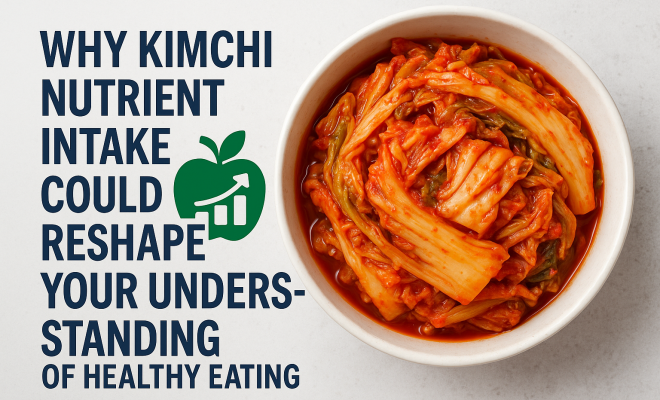
Kimchi, a staple in Korean cuisine, has long been celebrated for its health benefits, largely attributed to its fermentation process and rich nutrient profile. However, a recent study published in Frontiers in Nutrition reveals a more nuanced picture of kimchi nutrient intake, suggesting that higher consumption of this beloved dish correlates with increased overall macronutrient intake among Korean adults. The findings spark important discussions around dietary habits and the implications of sodium intake, challenging some conventional wisdom about fermented foods.
The Study Overview
The research delves into the dietary patterns associated with varying types of kimchi, including popular varieties such as baechu kimchi (napa cabbage), kkakdugi (cubed radish), and nabak kimchi or dongchimi (watery kimchi). Data gathered from a substantial sample of Korean adults revealed statistically significant trends demonstrating that those who consumed more kimchi also reported higher intakes of total energy, carbohydrates, protein, fat, and sodium.
Key Findings on Kimchi Nutrient Intake
Here are some crucial insights from the study:
- Increased Nutrient Intake: Higher kimchi consumption was linked to elevated total energy, carbohydrate, protein, fat, and sodium intake. This suggests that while kimchi is nutrient-rich, it may contribute to higher overall dietary consumption.
- Variety Matters: Different types of kimchi showed unique consumption patterns. Baechu kimchi and kkakdugi were particularly noted for their growing popularity, indicating a shift in dietary preferences among Koreans.
- Sodium Surprises: One of the more controversial findings is the association between high kimchi intake and increased sodium consumption. This raises questions about the health implications of a food traditionally considered ‘healthy.’
The Nutritional Value of Kimchi
Traditionally, kimchi is lauded for its myriad health benefits, including its probiotic content, which supports healthy digestion, and its rich vitamin profile, particularly vitamins A, B, and C. Furthermore, kimchi is low in calories, making it a popular choice for those looking to maintain or lose weight without compromising on flavor. However, the recent findings suggest that while kimchi is nutritious, its impact on overall sodium intake needs to be considered.
The Sodium Debate
High sodium intake is often linked to health risks such as hypertension and cardiovascular disease. The kimchi nutrient intake findings that show increased sodium levels with higher consumption could lead to a reevaluation of kimchi’s role in a healthy diet. Particularly for individuals already consuming high levels of sodium, the additional intake from kimchi could pose risks. This insight invites a broader discussion about sodium sources in the diet, encouraging consumers to be more mindful about their overall sodium consumption.
Understanding the Impact of Kimchi Consumption
The research emphasizes that while kimchi can be a nutritious addition to the diet, moderation may be key, especially for those concerned about sodium intake. Understanding the balance of nutrients is essential for making informed dietary choices.
Cultural Significance and Global Appeal
Kimchi’s rising popularity extends beyond Korea, making its way into culinary traditions around the globe. With health-conscious consumers increasingly seeking fermented foods for their probiotic benefits, kimchi is often positioned as a superfood. As the findings of this study circulate, they may prompt existing and new consumers alike to rethink how they incorporate kimchi into their diets.
Simple Takeaways
Here are a few practical recommendations for individuals looking to enjoy kimchi while being mindful of nutrient intake:
- Portion Control: Enjoy kimchi in moderation to balance out sodium intake with other low-sodium foods.
- Pairing: Combine kimchi with other nutrient-dense foods, such as whole grains and lean proteins, to create balanced meals.
- Variety: Explore different types of kimchi to find those with potentially lower sodium levels and varying nutritional profiles.
Conclusion
The recent study on kimchi nutrient intake provides crucial insights into how this traditional food fits into the broader dietary landscape. While kimchi remains a nutrient-rich option, its association with higher sodium levels prompts consumers to reevaluate their overall dietary habits. As this information spreads, it may well reshape our understanding of kimchi, highlighting the importance of moderation and informed choices in maintaining a balanced diet.