The Hidden Impact of Hardness of Water on Your Health and Home
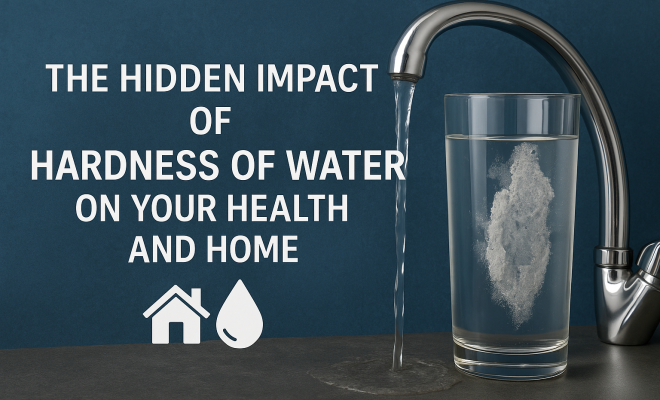
Understanding the hardness of water is essential for homeowners and those concerned about their health. This often overlooked topic can significantly affect everyday life, from how your appliances function to your overall well-being. With many households experiencing issues related to hard water, it is crucial to understand its implications and how it might be impacting your life.
What is Water Hardness?
Water hardness is defined by the concentration of dissolved minerals, primarily calcium and magnesium, in the water. The hardness of water can vary dramatically depending on geographic location, as different regions have different mineral compositions in their water supply. These minerals are not harmful in small quantities, but they can lead to various issues when they accumulate.
How Hard Water Affects Daily Life
Many people first become aware of the hardness of water when they notice buildup on their fixtures or experience challenges with soap not lathering properly. For instance, hard water can lead to:
- Scale Buildup: Over time, hard water can leave mineral deposits on faucets, showerheads, and inside appliances like dishwashers and water heaters. This buildup can reduce the efficiency of appliances and increase maintenance costs.
- Reduced Soap Efficiency: Hard water reacts with soap to form soap scum, which can make lathering difficult. As a result, you may find yourself using more soap than necessary, leading to higher household expenses.
- Skin and Hair Issues: Some individuals report that hard water leaves their skin feeling dry and their hair lacking luster. The minerals in hard water can strip away natural oils, leading to irritation and dryness.
People often search for information about hard water when they notice such changes in their daily routines. Understanding the hardness of water can help them decide whether to take action.
Measuring Hardness of Water
The hardness of water is typically measured in parts per million (ppm) or degrees of hardness. Water can be classified as:
- Soft Water: 0-60 ppm
- Moderately Hard Water: 61-120 ppm
- Hard Water: 121-180 ppm
- Very Hard Water: 181 ppm and above
Understanding these classifications can help homeowners determine the best course of action for their water supply. Some simple tests, like using test strips available at local hardware stores, can give you a quick assessment of your water’s hardness.
Health Considerations
While the minerals in hard water—primarily calcium and magnesium—are essential for health, excessive mineral buildup from hard water can lead to other concerns. For instance, high levels of calcium can contribute to kidney stones in susceptible individuals. However, most studies indicate that the minerals present in hard water do not pose a significant health risk and may even have some health benefits.
Conversely, if your water supply is too soft, it may contain higher levels of sodium, which can be a concern for those on low-sodium diets. Striking a balance is crucial for maintaining health.
Solutions to Hard Water Problems
If you find that the hardness of water in your home is causing issues, there are several solutions available:
- Water Softeners: These devices remove calcium and magnesium ions from the water, replacing them with sodium ions. This process effectively reduces water hardness and can protect your plumbing and appliances.
- Descaling Agents: For those who do not want to install a water softener, descaling agents can help remove mineral buildup from appliances and fixtures.
- Regular Maintenance: Regularly cleaning your appliances and plumbing fixtures can help mitigate the effects of hard water. Consider using vinegar or citric acid solutions to help dissolve mineral deposits.
Addressing the hardness of water can save homeowners considerable amounts in appliance repairs and maintenance costs, making it a worthwhile investment.
Conclusion
The hardness of water may seem like a minor issue, but it can significantly impact your health, household expenses, and quality of life. By understanding what causes water hardness and how it affects you, you can take proactive steps to mitigate its effects. Whether it’s through testing your water, installing a water softener, or simply being aware of how hard water interacts with your daily life, knowledge is the first step in protecting your home and health.