Healthier Restaurant Policies: A Key Weapon Against Obesity
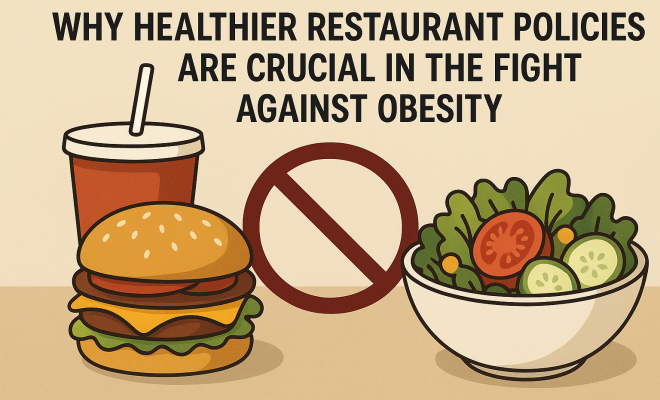
The proliferation of unhealthy food options in our communities has become a pressing public health issue, prompting discussions about the need for healthier restaurant policies. According to recent research published in the journal Public Health Nutrition, the retail food environment—particularly the prevalence of food swamps—plays a significant role in shaping the dietary choices of individuals and communities. This article delves into the characteristics of these environments, the public’s acceptance of healthier policies, and the broader implications for obesity and nutrition.
Understanding Food Swamps
Food swamps are defined as areas where the availability of low-nutrition food options significantly outweighs that of healthier alternatives. These environments often feature a high concentration of fast-food restaurants, convenience stores, and processed foods, making it more challenging for residents to access nutritious meals. The study highlights how these food swamps contribute to poor dietary habits, leading to increased rates of obesity and related health issues.
The Link Between Retail Food Environment and Healthier Policies
This research indicates that the characteristics of the retail food environment directly influence public support for healthier restaurant policies. In communities where unhealthy food options are abundant, residents are often more aware of the need for change. Many express strong support for policies that aim to improve access to healthy food.
- Community Engagement: Active engagement in community health initiatives often correlates with increased support for policies that promote healthier restaurant options.
- Awareness of Health Issues: Individuals living in food swamps may have a heightened awareness of obesity and its related health risks, making them more receptive to proposed changes.
- Accessibility of Healthy Choices: When healthier options are scarce, communities are more likely to advocate for policies that increase the presence of nutritious foods.
These findings underscore the importance of fostering environments that not only make healthy food accessible but also encourage public discourse around nutrition and wellness.
Public Sentiment on Healthier Restaurant Policies
The public’s acceptance of healthier restaurant policies often varies depending on personal experience and the immediate food environment. The study revealed that as individuals confront the challenges of unhealthy food options, their support for initiatives aimed at improving food environments grows stronger. This connection suggests that effective policy-making should be informed by the unique characteristics of local food environments and the specific needs of their residents.
Moreover, the timing of discussions about these policies is critical. For instance, during periods of heightened awareness around obesity—such as national health campaigns—public support for healthier options tends to increase. This care about local dietary habits presents a powerful opportunity for policymakers to introduce and advocate for change.
Challenges in Implementing Healthier Restaurant Policies
Despite the apparent support for healthier restaurant policies, several challenges hinder their implementation:
- Economic Factors: Many restaurants rely on the sale of unhealthy options, which are often cheaper to produce and more profitable. This creates a resistance to change among business owners.
- Political Will: Policymakers may hesitate to push for significant changes due to fear of backlash from the food industry or constituents who prefer existing options.
- Public Perception: Some consumers may perceive healthier options as less appetizing or more expensive, which can undermine demand and support for policies.
Addressing these challenges requires collaboration between health professionals, local governments, and the restaurant industry to create a sustainable framework that promotes healthy eating.
The Path Forward: Strategies for Change
To successfully implement healthier restaurant policies, multiple strategies can be employed:
- Incentives for Restaurants: Providing tax benefits or grants to restaurants that offer healthier menu options can encourage change.
- Community Education: Raising awareness about the benefits of healthy eating and the risks associated with poor dietary choices can help shift public perception.
- Collaboration with Local Farmers: Partnering with local growers can help restaurants source fresh ingredients, making it easier to offer nutritious meals.
By embracing these strategies, communities can begin to reshape their food environments, making healthier options more accessible and appealing.
Conclusion
The research underscores the importance of understanding the interplay between food environments and public support for healthier restaurant policies. As communities continue to grapple with rising obesity rates and related health issues, fostering supportive environments will be crucial for promoting better dietary choices. By addressing the challenges and implementing effective strategies, we can pave the way for healthier futures, transforming our food landscapes one policy at a time.