Why Google Product Packs Are Revolutionizing E-Commerce Sales Channels
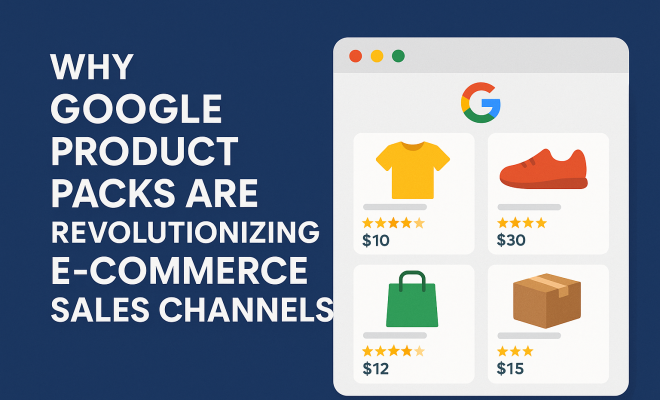
In the ever-evolving landscape of e-commerce, businesses are continuously in search of the most effective ways to reach customers. Recent data has highlighted a critical trend: Google product packs have emerged as a primary sales channel for online retailers. According to an extensive analysis of 63,000 merchants, this new dynamic is reshaping how brands engage with customers through Google’s search engine.
The Shift from Discovery to Conversion
For years, Google has been perceived primarily as a discovery tool, helping users find what they are looking for online. However, the latest findings indicate a significant shift: Google is increasingly becoming a conversion engine. This transformation is particularly evident with the introduction and optimization of Google product packs, which serve as a direct pipeline for purchases.
What Are Google Product Packs?
Google product packs are curated product listings that appear at the top of search results when users query related keywords. These packs display various products from different retailers, complete with images, prices, and availability, allowing shoppers to make informed decisions quickly. The visual appeal and straightforward presentation make them highly effective in capturing consumer attention.
Understanding the Data: Who Is Winning Traffic?
The analysis of the 63,000 merchants revealed crucial insights into what separates the brands that successfully attract traffic from those that languish in obscurity. Here are some key factors:
- Optimization of Product Listings: Brands that have invested time in optimizing their product listings for Google product packs are seeing substantial traffic. This includes using high-quality images, accurate descriptions, and competitive pricing.
- Effective Use of SEO: Understanding and implementing effective search engine optimization strategies is critical. Retailers who optimize their content to align with the specific keywords that drive relevant traffic to their product packs have a significant advantage.
- Competitive Pricing Strategies: Pricing is a pivotal factor. Brands that offer competitive prices are more likely to appear in product packs, drawing more clicks from potential customers.
The FOMO Factor Among Retailers
With the competitive landscape changing rapidly, retailers and performance marketers are facing a pressing sense of FOMO (Fear of Missing Out). The data suggests that many brands are already lagging behind in optimizing for Google product packs, potentially missing out on one of the most significant sources of shopping traffic. This urgency to adapt is palpable, as businesses strive to maintain or grow their market share in a crowded digital space.
Strategies to Optimize for Google Product Packs
To capitalize on the opportunities presented by Google product packs, retailers should consider implementing the following strategies:
- Enhance Product Imagery: Use high-resolution images and consider lifestyle photography that showcases products in use. This can significantly boost click-through rates.
- Focus on Local SEO: For businesses with physical storefronts, optimizing for local searches can drive foot traffic and online sales through Google’s local product packs.
- Utilize Rich Snippets: Implement structured data markup on your website. This enables search engines to better understand your content and can enhance the visibility of your products.
- Monitor Competitors: Keep an eye on competitors’ listings and performance. Understanding what works for them can provide insights into successful strategies.
The Future of E-Commerce with Google Product Packs
The findings of this analysis suggest that Google product packs are not just a fleeting trend but a permanent shift in the e-commerce landscape. As online shopping continues to grow, optimizing for visibility within these product packs will become essential for businesses aiming to thrive in a digital-first environment.
In conclusion, as e-commerce evolves, the power of Google product packs as a sales channel cannot be underestimated. Retailers and marketers must act swiftly to adapt their strategies and embrace this trend. Those who wait may find themselves falling behind, while proactive brands stand to gain significantly from the traffic and visibility that these product packs can deliver.