Utah’s TRIGA Microreactor: Powering AI Data Centers
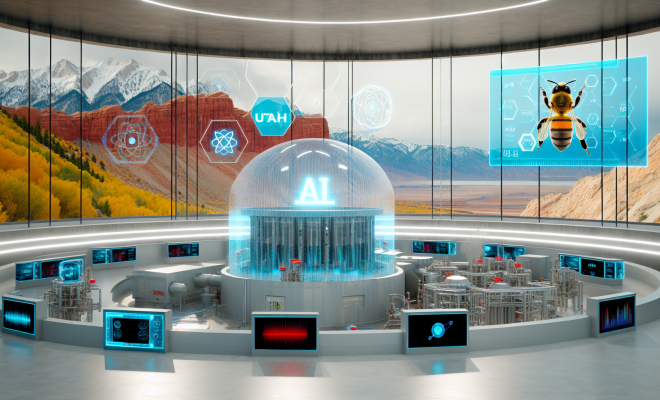
The energy landscape is witnessing a revolutionary shift as Utah prepares to deploy the nation’s first TRIGA microreactor, designed specifically to power an AI data center. This groundbreaking initiative represents a unique intersection of nuclear energy news and cutting-edge artificial intelligence infrastructure, promising to deliver reliable, low-carbon energy solutions amid the escalating electricity demands faced by data centers across the country.
The Emergence of Microreactors
Microreactors, particularly the TRIGA (Training, Research, Isotopes, General Atomics) model, were initially developed for educational and research purposes. However, their potential for commercial applications has been increasingly recognized, especially in high-demand sectors like data processing and storage. As tech firms scramble to meet energy needs, Utah’s deployment of this small modular reactor underscores the growing role of innovative nuclear technologies in sustainable energy production.
Key Players Driving the Initiative
This historic move is backed by a coalition of state legislators, nuclear innovators, and technology firms who are all facing energy shortages. With the rise of artificial intelligence, which requires immense computational power, the demand for reliable energy sources has never been more pressing. The TRIGA microreactor is positioned to bridge this gap, providing a clean, efficient energy source that aligns with both environmental goals and the operational demands of AI.
The Rationale Behind the TRIGA Deployment
Data centers are notorious for their high energy consumption, often leading to significant carbon footprints. As the world becomes increasingly reliant on AI and big data, the need for sustainable power solutions is critical. The TRIGA microreactor, which produces low-carbon electricity, offers a promising solution that could revolutionize how power is generated for tech operations.
Unpacking the Technology
The TRIGA reactor is unique in its design and functionality. Originally created for training and research, it can be adapted for commercial use, making it an ideal candidate for powering AI infrastructures. With a smaller footprint compared to traditional nuclear reactors, TRIGA microreactors can be deployed in urban settings, reducing the logistical challenges often associated with larger facilities.
Anticipated Benefits of the TRIGA Microreactor
- Reliable Energy Supply: The microreactor is designed to provide a consistent power output, crucial for the 24/7 operations of AI data centers.
- Low Carbon Footprint: This technology aligns with global efforts to reduce carbon emissions and combat climate change.
- Scalability: As demand increases, multiple TRIGA reactors can be deployed to meet energy needs, allowing for a flexible response to growing power consumption.
- Resilience: In an era of frequent energy shortages and grid instability, microreactors offer a stable alternative to conventional energy sources.
Public Perception and Concerns
Despite the promising outlook, the introduction of nuclear energy into the tech sector is not without its controversies. Public perception of nuclear energy is often marred by safety concerns, stemming from historical accidents and the long-term implications of nuclear waste. Advocates argue that modern reactors, like the TRIGA, are equipped with advanced safety features that mitigate these risks significantly.
Debates on Nuclear Safety vs. Green Technology Urgency
The juxtaposition of nuclear energy with green technology prompts heated debates within the community. On one side, proponents of nuclear energy emphasize its potential to deliver large amounts of clean energy without the carbon emissions associated with fossil fuels. On the other side, environmentalists express concern over the long-term sustainability and safety of nuclear energy solutions.
The FOMO Factor in Energy Solutions
This unprecedented merger of nuclear power and AI has sparked a wave of excitement on social media platforms like X and Reddit. The concept of utilizing microreactors to support AI infrastructures plays into the broader narrative of technological advancement and sustainability, creating a sense of urgency (or FOMO) among companies and investors eager to explore the future of energy.
Future Implications for the Energy Sector
As Utah leads the charge, the implications of this initiative could reverberate throughout the energy sector. If successful, it could pave the way for similar projects across the nation and globally, stimulating interest and investment in microreactor technology. Furthermore, this could potentially reshape public opinion towards nuclear energy, highlighting its viability as a green alternative in a rapidly changing energy landscape.
Looking Ahead
The deployment of the TRIGA microreactor is just the beginning of a broader trend that may redefine our energy sources. Policymakers, energy producers, and tech companies must work collaboratively to navigate the challenges and opportunities presented by nuclear energy. This partnership could lead to innovative solutions that not only meet demand but do so sustainably and safely.
The Path Forward
As discussions surrounding nuclear energy intensify, it is essential for stakeholders to engage in open dialogues about the future of energy. The fusion of AI and nuclear power could represent a substantial step toward addressing the growing electricity demands while also contributing to climate goals.
Conclusion
In summary, the deployment of Utah’s TRIGA microreactor marks a significant milestone in nuclear energy news. By bridging the gap between nuclear power and the tech industry’s insatiable energy demands, this initiative not only highlights the potential of advanced nuclear technologies but also opens the door to new discussions about sustainability, safety, and the future of energy. As this story develops, the world will be watching closely to see how this unique partnership unfolds and what it means for the future of energy production.