AI Marketing Strategies: Navigating the Creative Content Tsunami
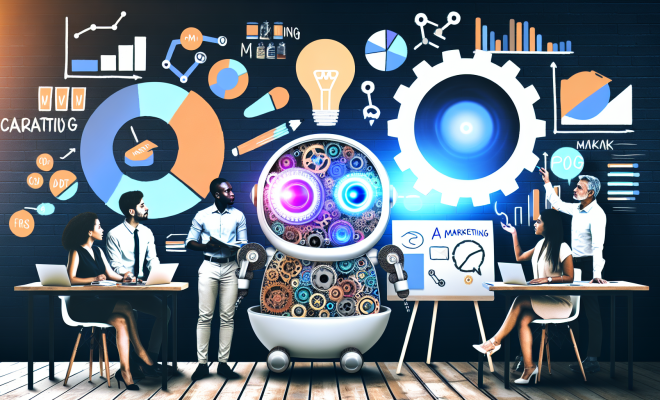
As artificial intelligence continues to evolve, marketers are warning of a looming ‘tsunami of creative production’ that promises to reshape the entire landscape of marketing content. Laura Desmond, a prominent figure at Smartly, emphasizes the urgent need for brands to adapt their content management systems to handle the unprecedented volume of AI-generated content. In this article, we will explore the implications of this AI revolution, the challenges it presents, and the transformative AI marketing strategies that can help brands stay relevant in an ever-changing environment.
The Coming Wave of AI-Powered Content
Marketing executives are sounding the alarm as they anticipate a dramatic increase in the amount of content generated by AI technologies. Desmond warns that the volume of creative output from AI will dwarf the already saturated internet landscape, resulting in a thousand-fold increase in content versioning and variation. This shift is not just a slight adjustment; it represents a fundamental change in how marketers will need to approach their creative workflows.
Understanding the Impending Content Explosion
The rise of AI tools has already started to transform the way content is created and distributed. With the ability to generate high-quality visuals, write compelling copy, and even produce entire campaigns, AI is set to become an integral part of marketing strategies. As Desmond puts it, ‘The creative explosion we’re facing is not just about producing more content; it’s about realizing that we will need a new approach to manage it all.’
This dramatic increase in creative production is primarily driven by several factors:
- Efficiency: AI can streamline the creative process, generating content faster than human teams can manage.
- Personalization: AI can create content tailored to specific audiences, allowing brands to engage customers on a deeper level.
- Cost-Effectiveness: Automating parts of the creative process can significantly reduce costs, making it more accessible for brands of all sizes.
The Challenges of Managing Creative Output
Despite the advantages that AI offers, the challenge lies in managing the sheer volume of content it produces. Traditional creative workflows, which often rely on linear processes and human oversight, may no longer be viable in this new landscape. Marketers must rethink their approaches to content creation, distribution, and analysis.
Rethinking Creative Workflows
As Desmond points out, brands need to build entirely new systems to handle the exponential scaling of content. This entails re-evaluating existing creative processes and incorporating AI tools that can support and enhance human creativity rather than replace it. Some strategies that marketers can employ include:
- Integrating AI Tools: Brands should explore AI-driven platforms that can automate repetitive tasks, allowing creative teams to focus on high-level strategy and innovation.
- Investing in Training: As AI technologies evolve, marketers must invest in training their teams to effectively leverage these tools, ensuring that they can harness the potential of AI without losing the human touch.
- Creating Agile Systems: Developing flexible content management systems that can adapt to the rapid pace of AI-generated content will be crucial for staying competitive.
The Fear Factor: Job Security and Relevance
As the wave of AI-generated content grows, many creative professionals are feeling anxious about their job security and relevance in the industry. The fear surrounding AI’s potential to replace human creativity is palpable, but it is essential to recognize that AI is a tool meant to augment rather than replace human input.
Emphasizing Collaboration Between Humans and AI
The key to navigating this new landscape lies in fostering a collaborative relationship between human creatives and AI technologies. By viewing AI as a partner in the creative process, marketers can leverage its strengths while maintaining the unique perspectives and experiences that only humans can provide. This collaboration can lead to:
- Enhanced Creativity: AI can help generate new ideas and concepts, allowing human creatives to refine and build upon them.
- Increased Output: With AI handling routine tasks, creative teams can produce more content in less time.
- Better Insights: AI can analyze audience data to inform creative decisions, leading to more effective campaigns.
Adopting AI Marketing Strategies
To successfully navigate the challenges posed by the impending content explosion, brands must adopt innovative AI marketing strategies. These strategies should focus on integrating AI into existing workflows while fostering creativity and collaboration. Here are some actionable approaches that brands can implement:
1. Embrace Data-Driven Decision Making
AI can analyze vast amounts of data to uncover insights about customer preferences, trends, and behaviors. By harnessing this data, marketers can make informed decisions that enhance the relevance of their content and campaigns. Continuously analyzing performance metrics allows brands to fine-tune their strategies and adapt to changing consumer demands.
2. Leverage AI for Personalization
One of the most powerful applications of AI in marketing is its ability to create personalized content at scale. Brands can use AI algorithms to segment their audiences and deliver tailored messages that resonate with individual consumers. This level of personalization not only improves engagement but also enhances brand loyalty.
3. Implement Automated Content Creation
AI-driven content generation tools can produce high-quality content quickly and efficiently. By automating certain aspects of content creation, brands can maintain a consistent output without sacrificing quality. However, it is essential to ensure that human oversight is integrated into this process to maintain brand voice and authenticity.
4. Foster a Culture of Innovation
As AI continues to evolve, marketers must cultivate a culture of innovation within their teams. Encouraging experimentation with new tools and techniques will empower creative professionals to explore the full potential of AI while remaining adaptable to industry changes.
Preparing for the Future
As we stand on the brink of a new era in marketing, the need for a new creative system is more critical than ever. Brands must be proactive in addressing the challenges posed by the impending surge of AI-generated content. By adopting strategic approaches and fostering collaboration between humans and AI, marketers can not only survive but thrive in this rapidly changing landscape.
Conclusion
In summary, the impending ‘tsunami of creative production’ driven by AI presents both challenges and opportunities for marketers. As Laura Desmond from Smartly highlights, brands must rethink their content management systems and adopt innovative AI marketing strategies to navigate this new landscape effectively. By embracing the potential of AI while maintaining a focus on human creativity, marketers can position themselves for success in an increasingly competitive environment.