How AI Electrocardiogram Heart Failure Detection Could Revolutionize Global Health Care
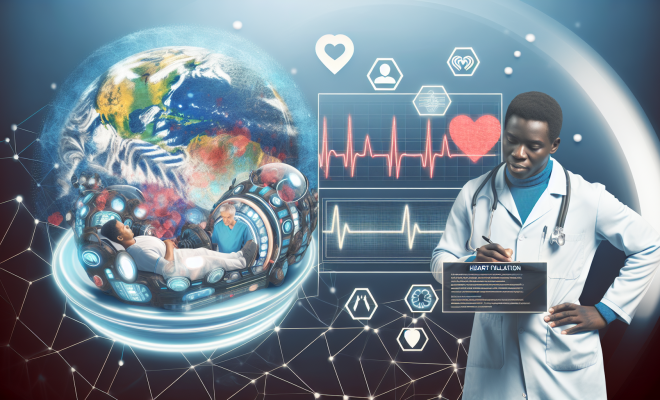
The field of cardiology is experiencing a transformative moment with the advent of AI-powered electrocardiograms (ECGs) designed to detect early signs of heart failure. Recent research from UT Southwestern Medical Center, published in JAMA Cardiology, highlights the potential of these advanced technologies to significantly improve heart health diagnostics, particularly in resource-limited settings like Kenya.
Understanding the Breakthrough
The innovative AI algorithm developed by the researchers boasts an astonishing 99.1% negative predictive value. This means it can reliably rule out left ventricular systolic dysfunction (LVSD), a crucial indicator of early heart failure, in patients undergoing screening. What’s particularly noteworthy is that the algorithm identified 14.1% of those screened as being at-risk, indicating a significant number of individuals who may benefit from early medical intervention.
The Need for Improved Heart Failure Detection
Heart disease remains one of the leading causes of death globally, with millions affected each year. Traditional diagnostics can be expensive and inaccessible, especially in underserved regions where healthcare resources are limited. This new AI electrocardiogram heart failure technology not only enhances diagnostic accuracy but also democratizes access to critical health assessments.
The fact that this technology can be deployed in resource-scarce environments opens the door for widespread screening that could mitigate the devastating impacts of heart disease. With early detection, individuals can receive timely treatments that may effectively manage their conditions, ultimately saving lives.
How the AI Algorithm Works
The AI algorithm leverages machine learning techniques to analyze ECG data accurately. By processing vast amounts of historical data, it can identify patterns and anomalies that may indicate heart failure. The ability to analyze these patterns quickly and efficiently allows healthcare providers to make informed decisions rapidly, something traditional methods may not be able to replicate.
As the AI continues to learn from new data, its predictive capabilities will likely improve, enhancing its effectiveness in diagnosing heart failure even further. This continual refinement illustrates the dynamic potential of machine learning in healthcare.
Global Implications of AI Electrocardiogram Heart Failure Detection
The implications of this research extend far beyond Kenya. As healthcare systems across the globe grapple with the increasing burden of cardiovascular diseases, this AI-driven approach offers a promising solution. Here are some key impacts of broadening the use of AI electrocardiograms:
- Increased Accessibility: The technology allows for wider screening in areas where advanced medical facilities are scarce, paving the way for early detection in communities that need it most.
- Cost-Effectiveness: Deploying AI solutions can reduce the costs associated with traditional diagnostic procedures, making heart health monitoring more affordable.
- Early Intervention: With improved detection methods, patients can receive timely treatments, which can lead to better health outcomes and reduced healthcare costs associated with advanced heart failure.
Addressing a Critical Gap in Cardiovascular Care
The success of AI electrocardiograms in detecting early signs of heart failure highlights a critical gap in global cardiovascular care that has long needed addressing. Many individuals remain unaware of their heart health status until significant symptoms arise, often leading to devastating outcomes.
This technology not only empowers patients with knowledge about their health but also encourages proactive healthcare behaviors and lifestyle changes. By acknowledging their risks early on, patients can work closely with healthcare providers to mitigate those risks.
Impact on Preventive Healthcare
As healthcare systems worldwide shift their focus toward preventive care, innovations like the AI electrocardiogram heart failure detection are perfectly aligned with these goals. The ability to accurately screen large populations can lead to a cultural shift in how heart health is perceived and maintained.
Healthcare professionals and health-conscious individuals alike are actively sharing these advancements on social media, sparking conversations about the future of heart health and preventive measures. The emotional resonance of an effective solution to a universal issue like heart disease cannot be overstated, as it addresses both fear and hope.
Conclusion: A Future with AI in Heart Health
The findings from UT Southwestern Medical Center herald a new era in cardiovascular diagnostics and preventive care. As the healthcare industry continues to embrace technological advancements, the potential of AI electrocardiogram heart failure solutions will only increase.
With further research and development, AI could soon become an integral part of routine health checks, especially in underserved populations. The promise of saving lives through early detection is a powerful motivator for continued innovation in the field of cardiac care.