The Disturbing Truth About Microplastics in Drinking Water That Everyone Needs to Know
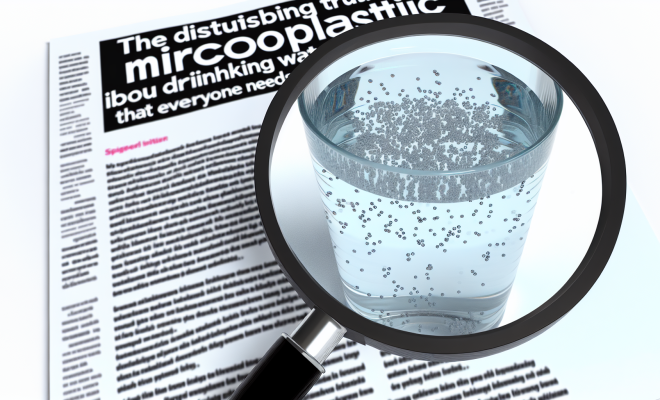
A recent study published in Frontiers in Environmental Science has unveiled a troubling reality: microplastics are now detectable in nearly all tested samples of drinking water sourced from major urban centers. This revelation raises significant health concerns and highlights the urgent need for action regarding the safety of our water supply.
Understanding Microplastics
Microplastics are tiny plastic particles less than 5mm in diameter, originating from various sources, including the degradation of larger plastic items, synthetic textiles, and even personal care products. These particles have become pervasive in the environment due to the widespread use of plastics and the inadequate disposal practices that have followed.
Sources of Microplastics
- Degradation of Larger Plastics: As plastics break down over time, they release microplastics into the environment.
- Textile Fibers: Washing synthetic clothing releases microplastic fibers into wastewater systems.
- Personal Care Products: Some cosmetics and scrubs contain microbeads that contribute to the microplastics problem.
Key Findings from the Study
The study’s findings are alarming, revealing that certain tap water samples contained up to 100 microplastic particles per liter. This significant concentration was particularly pronounced in areas with older water infrastructure, indicating a correlation between infrastructure age and microplastic contamination.
The Implications for Public Health
The presence of microplastics in drinking water poses serious health implications. Studies suggest that these particles can carry harmful chemicals and pathogens, potentially leading to a range of health issues. The long-term effects of microplastic consumption remain largely unknown, but researchers are concerned about their impact on human health.
Public Reaction and Social Media Buzz
The shocking nature of this discovery has ignited a wave of concern across social media platforms. Users are questioning the safety of their drinking water and demanding stricter regulations on plastic production and waste management. The universal relevance of drinking water has created a fertile ground for debate, as many people find themselves grappling with the implications of these findings.
Calls for Action
In response to this study, environmental activists and concerned citizens are calling for:
- Stricter Regulations: Advocating for tighter controls on plastic production and usage to reduce the proliferation of microplastics.
- Investment in Water Infrastructure: Working towards upgrading aging water systems to prevent contamination.
- Public Awareness Campaigns: Educating communities about the risks of microplastics and encouraging more sustainable practices.
Global Perspectives on Water Safety
The issue of microplastics in drinking water is not confined to any single region; it is a global concern. Major urban centers around the world are grappling with similar challenges, prompting international discussions on best practices for water safety.
Case Studies from Around the World
Several cities have taken proactive measures in addressing microplastics in drinking water:
- Paris, France: The city has implemented rigorous testing and filtration methods to ensure the safety of its water supply.
- Tokyo, Japan: Japan’s capital has invested in advanced wastewater treatment facilities to reduce microplastic contamination.
- New York City, USA: NYC has begun extensive research into the presence of microplastics in its water supply and is exploring innovative filtration technologies.
Future Research Directions
The study published in Frontiers in Environmental Science serves as a catalyst for further research into microplastics in drinking water. Future studies may focus on:
- Health Impact Assessments: Investigating the long-term health effects of consuming microplastics.
- Microplastic Filtration Technologies: Developing effective filtration systems to remove microplastics from drinking water.
- Public Policy Analysis: Evaluating the effectiveness of current regulations and proposing new policies to protect public health.
Conclusion
The presence of microplastics in drinking water is a critical issue that demands immediate attention. As more studies emerge, it is essential that we remain informed and vigilant about the safety of our water supply. Public awareness, advocacy for stricter regulations, and investment in infrastructure are vital steps toward mitigating the risks associated with microplastics. The health of our communities and the environment depends on the actions we take today.
We must not allow ourselves to become complacent in the face of this growing concern. Engaging in discussions, advocating for change, and supporting research initiatives are all crucial components of the collective effort to ensure safe drinking water for all.