Groundbreaking Study Links Water Hardness to Accelerated Neurological Decline in Seniors
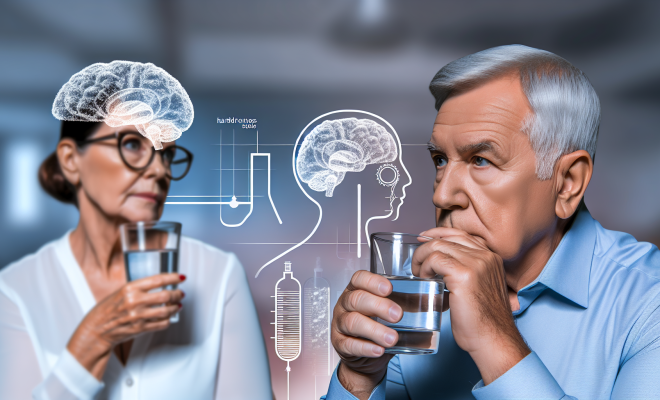
The relationship between environmental factors and cognitive health has long intrigued scientists, but recent findings have unlocked a significant correlation that could change public health perspectives. A comprehensive study published in May 2026 has revealed that long-term exposure to hard water is associated with accelerated neurological decline in older adults. This groundbreaking discovery could reshape how we view water quality and its impact on cognitive health, especially in aging populations.
The Research Unveiled
Conducted by a team of international researchers, the study analyzed data from over 50,000 participants aged 65 and older across multiple countries. This extensive research sought to understand the effects of water hardness on cognitive decline, focusing on the differences in memory loss rates between individuals living in regions with hard water compared to those in areas with softer water.
Key Findings
The results were striking: individuals residing in high-hardness water regions exhibited a staggering 23% faster rate of memory loss than their counterparts in soft water areas. These findings suggest that the mineral buildup commonly found in hard water may play an influential role in affecting brain function and cognitive abilities.
Understanding Water Hardness
Water hardness is primarily determined by the concentration of minerals, such as calcium and magnesium, within the water supply. While these minerals are essential for various bodily functions, excessive levels can lead to health complications. The degree of hardness varies significantly by geographic region, which is a crucial factor in understanding the implications of this study.
Potential Mechanisms Behind Cognitive Decline
The study’s authors speculate that the mineral buildup associated with hard water might influence neurological pathways in ways that remain to be fully understood. While the exact mechanisms are still under investigation, several hypotheses have been proposed:
- Mineral Overload: High levels of certain minerals could lead to altered neurotransmitter function or neuroinflammation, both of which are associated with cognitive decline.
- Oxidative Stress: Increased mineral content might contribute to oxidative stress, which is harmful to brain cells and can exacerbate age-related cognitive decline.
- Hydration Quality: Hard water may affect hydration levels and overall fluid intake, potentially impacting mental clarity and cognitive performance.
The Urgent Need for Public Health Discussions
This revelation has sparked a wave of public interest and concern, propelling water hardness and its neurological implications into the spotlight. Social media platforms are buzzing with discussions as millions question the quality of their drinking water and its potential health risks. The implications of this study extend beyond personal health, calling for urgent public health discussions and new guidelines regarding drinking water.
Pressure on Health Agencies
As awareness of the correlation between water hardness and neurological decline grows, health agencies are under increasing pressure to address these findings. Experts are advocating for the establishment of new guidelines to promote better water treatment practices aimed at reducing hardness in drinking water. The goal is to mitigate potential cognitive decline risks for aging populations and ensure that public health is prioritized.
Investigating Treatment Interventions
In light of these findings, researchers are now exploring whether interventions in water treatment could reverse early cognitive changes associated with high hardness levels. This research could pave the way for new strategies to improve the overall cognitive health of older adults living in hard water regions.
Water Quality and Health: A Broader Context
The implications of this study are not limited to neurological decline alone. Water quality has long been linked to various health outcomes, including cardiovascular diseases, gastrointestinal issues, and even some forms of cancer. The newfound connection between water hardness and cognitive health adds a new dimension to the ongoing discourse about the importance of clean, safe water.
Global Perspectives on Water Hardness
Regions around the world vary significantly in terms of water hardness. Countries like the United States, Canada, and parts of Europe often have areas with hard water, which could mean that millions of individuals are unknowingly at risk for accelerated cognitive decline. As the study gains more attention, it will be critical for these nations to evaluate their water treatment practices.
Public Response and Future Research
In the wake of this study, public response has been overwhelmingly concerned yet curious. Many are taking to social media to share their own water quality experiences, leading to heightened community awareness about local water conditions. This engagement could be instrumental in pushing for changes in local water systems and policies.
Future Research Directions
While the study has provided significant insights into the relationship between water hardness and neurological decline, there are still many questions left unanswered. Future research will need to focus on:
- Longitudinal studies to track cognitive health outcomes in relation to varying levels of water hardness.
- Investigating specific interventions that might mitigate the impact of hard water on cognitive decline.
- Exploring the effects of hard water on other age-related health concerns.
Conclusions
The emerging link between water hardness and neurological decline is a call to action for communities worldwide. As researchers continue to explore the depths of this connection, individuals are urged to consider their own water quality and its potential implications on health. With public health agencies now confronted with the findings, it remains to be seen how quickly policy changes will be enacted to safeguard cognitive health, especially among vulnerable aging populations.
Final Thoughts
The connection between water hardness and neurological decline is not just an academic curiosity; it has real-world implications for millions of individuals. As more people become aware of this issue, the hope is that communities will advocate for improved water quality, ultimately leading to enhanced public health outcomes. It is crucial for ongoing conversations and research to continue in addressing this newly recognized public health concern.