The TikTok Algorithm Leak: How Emotional Manipulation Drives Engagement
On May 5, 2026, the digital world was rocked by a significant revelation known as the TikTok algorithm leak. Internal documents from the popular social media platform surfaced, exposing a controversial strategy that prioritizes divisive content to boost user engagement. This shocking leak has not only raised eyebrows among users but has also sparked a firestorm of debate regarding the ethical implications of social media algorithms.
The Strategy Behind the Algorithm
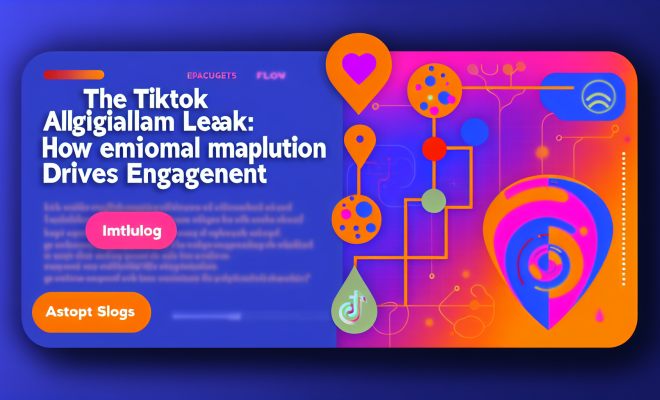
The leaked documents unveil a strategy that emphasizes emotional triggers such as outrage, fear, and controversy in content ranking. According to the findings, these emotional aspects are weighted three times higher than factual accuracy. This means that content designed to provoke strong reactions is more likely to be pushed to the forefront of users’ feeds, effectively manipulating their emotions to maximize screen time.
Understanding the Emotional Weighting
Emotions are a powerful force in social media engagement. The TikTok algorithm leak reveals that emotional content not only captures attention but also encourages users to interact, share, and spend more time on the app. Here are some key insights regarding the emotional weighting:
- Outrage: Content that provokes anger or frustration tends to generate more comments and shares.
- Fear: Fear-inducing posts can create a sense of urgency, prompting viewers to act or share information quickly.
- Controversy: Divisive topics often lead to heated discussions, which in turn drive user engagement.
This emotional manipulation raises ethical questions about the responsibility of tech companies in the way they design their algorithms.
The Impact of the Leak
Following the release of these internal documents, the hashtag #TikTokAlgorithmTruth began trending globally, amassing an astonishing 2.3 billion views within just 24 hours. The public’s reaction has been a mix of outrage and curiosity, with many users demanding increased transparency from the platform. Major content creators, digital rights advocates, and even lawmakers are calling for accountability and reform.
Demands for Transparency
The TikTok algorithm leak has prompted influential figures to take a stand. Content creators, who have built their brands on the platform, are now questioning the very foundations of its engagement metrics. They are urging TikTok to disclose more about how its algorithm operates, particularly regarding its prioritization of emotionally charged content. This call for transparency aligns with a broader movement advocating for ethical practices in tech.
Privacy Concerns and Regulatory Responses
The implications of the TikTok algorithm leak stretch far beyond user engagement metrics. Privacy concerns are at the forefront, as users grapple with the realization that they may have been manipulated without their consent. The unsettling notion that an algorithm could be driving them towards outrage or fear—emotions that can have real-world consequences—has led to urgent calls for regulatory intervention.
Congressional Hearings and Regulatory Action
In the wake of the leak, lawmakers are escalating their scrutiny of TikTok and its practices. Congressional hearings are being proposed to investigate the ethical ramifications of the platform’s algorithm. Participants in these hearings will likely include tech experts, social media advocates, and representatives from TikTok itself, who will need to answer tough questions about the emotional manipulation of users.
The Broader Impact on Social Media
The TikTok algorithm leak is not just a standalone incident; it is part of a larger pattern of scrutiny facing social media platforms. As users become more aware of the influence of algorithms on their behavior, there is a growing demand for ethical standards in how these algorithms are designed and implemented.
Social Media Manipulation and Its Consequences
Social media manipulation through algorithms has far-reaching consequences. The prioritization of divisive content can create echo chambers, deepen societal divides, and contribute to the spread of misinformation. The TikTok algorithm leak highlights the need for a critical examination of how platforms can foster healthy online environments while maintaining user engagement.
What Comes Next?
The fallout from the TikTok algorithm leak is likely to influence not just TikTok but the entire landscape of social media. As the platform faces mounting pressure for transparency and accountability, other social media companies may also reconsider their algorithms and practices.
The Role of Users in Shaping the Future
In this evolving landscape, users hold significant power. By participating in conversations about transparency, ethics, and accountability, they can drive change from the ground up. Activism on social media platforms, fueled by awareness from events like the TikTok algorithm leak, can lead to more ethical practices across the board.
Conclusion
The TikTok algorithm leak has opened a Pandora’s box of ethical questions regarding social media manipulation. As users demand greater transparency and accountability from platforms, the future of social media hangs in the balance. It is a critical moment that calls for not only awareness but also action. The implications of this leak extend beyond TikTok, urging all social media platforms to rethink their ethical responsibilities in an age dominated by emotional engagement.