How AI in the Workplace is Transforming Jobs and Unlocking True Potential
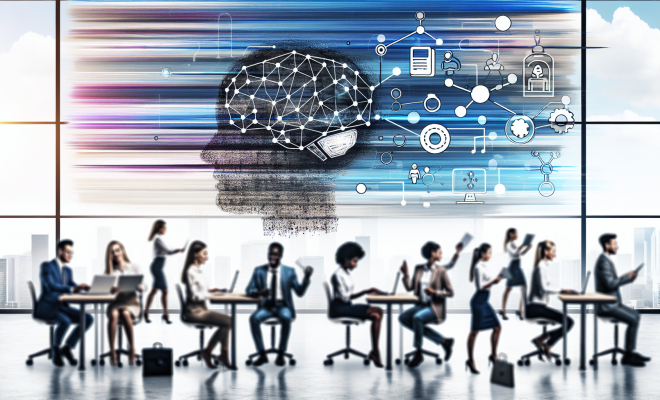
The integration of AI in the workplace is no longer a futuristic concept; it is a reality that organizations are rapidly adopting. A recent report by McKinsey for 2025 highlights a pivotal shift in how businesses are viewing the role of artificial intelligence, moving from simple automation to a more complex partnership that they call ‘superagency.’ This evolution indicates a transformative approach where employees are empowered to collaborate with AI systems, enhancing productivity and fostering innovation.
The Emergence of ‘Superagency’
The concept of ‘superagency’ arises from the recognition that AI can do more than just automate tasks. Instead, it should empower people to leverage its capabilities to enhance their own performance. This integration leads to a hybrid workforce where humans and AI work together, capitalizing on the strengths of both entities. The McKinsey report underscores this transformation, noting that organizations that embrace superagency not only streamline their operations but also enhance employee engagement and satisfaction.
Key Insights from McKinsey’s 2025 Report
According to the report, numerous trends are emerging that signal a significant transformation in the workplace environment:
- AI Adoption is Accelerating: Companies are increasingly implementing AI technologies across various sectors, from finance to healthcare, showcasing its versatility and impact.
- Workforce Transformation: As AI takes on more responsibilities, there is a growing demand for new roles that focus on managing AI systems and interpreting their outputs.
- Critical Skills Gap: The shift towards AI integration reveals a concerning skills gap, as many employees lack the necessary training to work effectively alongside AI systems.
- Employee Engagement: Organizations report higher levels of workforce engagement when employees feel empowered to work with AI, leading to improved job satisfaction.
- Innovation Surge: Collaboration between employees and AI is driving innovation, enabling businesses to create new products and services faster than ever.
Addressing Workplace Anxiety About Job Displacement
The rise of AI in the workplace is not without its challenges. A pervasive anxiety among employees is the fear of job displacement. As machines continue to take over repetitive and mundane tasks, many workers worry about their job security. The McKinsey report highlights that while automation does eliminate certain roles, it simultaneously creates new opportunities that require human oversight.
To combat this anxiety, organizations must focus on transparent communication regarding AI’s role and the new possibilities it offers. Leaders should articulate how AI can serve as a tool that enhances human capabilities rather than a rival that replaces them. This perspective can alleviate fears and help employees embrace the changes that AI brings.
Reskilling: A Critical Requirement for the Future
With the evolving landscape of AI in the workplace, reskilling employees is of utmost importance. The McKinsey report emphasizes that organizations must invest in training programs that equip employees with the skills needed to collaborate effectively with AI technologies.
Some strategies for effective reskilling include:
- Skill Assessment: Organizations should begin by assessing current skill levels and identifying gaps that need to be filled for effective collaboration with AI.
- Customized Training Programs: Tailored training initiatives that focus on both technical skills and soft skills will empower employees to work alongside AI.
- Mentorship Opportunities: Establishing mentorship programs where experienced employees can guide others in understanding AI tools fosters a culture of learning.
- Emphasis on Lifelong Learning: Encouraging a mindset of continuous learning will ensure employees remain adaptable in a rapidly changing environment.
Leading Companies That Are Successfully Implementing AI
Several companies are at the forefront of integrating AI in the workplace, successfully managing to maintain employee engagement while enhancing productivity. These organizations are showcasing how AI can be a catalyst for new opportunities rather than a threat.
For instance:
- Google: Known for its innovative culture, Google has integrated AI into various functions, from automating mundane tasks to enhancing user experiences. The company actively encourages employees to explore AI tools and apply them to their projects.
- Microsoft: With a focus on employee empowerment, Microsoft provides comprehensive training on AI technologies, enabling its workforce to utilize these tools effectively and creatively.
- IBM: IBM’s AI initiatives are centered around ethics and transparency, fostering a work environment where employees can trust and effectively collaborate with AI systems.
The Emotional Underpinnings of AI in the Workplace
The discourse surrounding AI in the workplace is not merely technical; it also taps into a wide array of emotions. Social media discussions often center around fears of job security, the ethics of AI usage, and the future landscape of work. This emotional resonance is a crucial factor driving interest in the subject.
People are grappling with questions that reflect their concerns and aspirations:
- How will AI affect my job security?
- What skills do I need to develop to remain relevant?
- Can AI really enhance my work experience?
- How can organizations ensure that AI is used ethically?
The answers to these questions will shape the future narrative surrounding AI’s role in the workplace, influencing how companies approach integration and how employees respond to these changes.
The Future of Work: A Harmonized Human-AI Collaboration
As organizations embrace the potential of AI, the future of work is likely to be characterized by a harmonious relationship between humans and machines. The McKinsey report paints an optimistic picture, suggesting that by empowering employees and providing the necessary training, businesses can unlock new levels of productivity and innovation.
Organizations need to recognize that AI is not just a replacement for human effort; rather, it is an augmentation that can help teams achieve more than they could alone. This shift in perspective is essential for overcoming workplace anxiety and fostering an environment where AI is seen as a collaborator.
Preparing for the Transition
To facilitate a smooth transition into a future dominated by AI, several steps can be taken:
- Engage Employees: Involve employees in discussions about AI integration. Their insights and feedback can lead to more effective implementation strategies.
- Establish Clear Objectives: Define what success looks like in terms of AI integration, ensuring alignment between business goals and employee aspirations.
- Monitor Progress: Regularly assess the impact of AI on productivity and employee satisfaction, making adjustments where necessary.
- Promote a Culture of Innovation: Encourage experimentation with AI tools, allowing employees to pilot new projects that leverage AI capabilities.
Conclusion: Embracing the New Era of AI in the Workplace
The integration of AI in the workplace represents a significant shift in how organizations operate and how employees engage with their work. By moving beyond automation to embrace the concept of superagency, companies can unlock the full potential of their workforce while addressing the emotional and practical concerns surrounding AI.
As businesses prepare for the future, it is crucial to foster an environment where collaboration between humans and AI is celebrated. This proactive approach will not only mitigate fears of displacement but also pave the way for a more innovative, productive, and fulfilling workplace.