Shocking New Study Reveals How Parental Attachment Styles Shape Your Child’s Future!
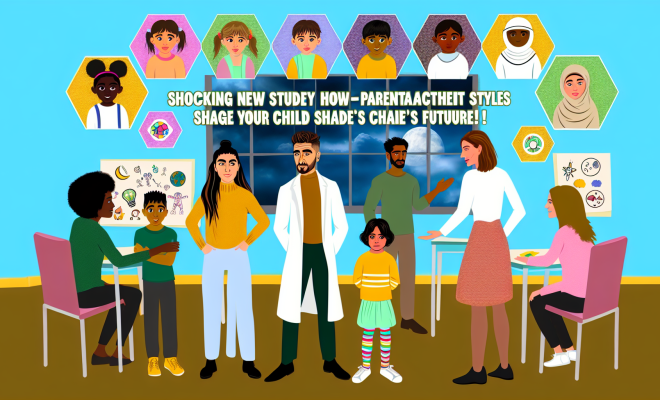
In an eye-opening study published in Frontiers in Psychology, researchers have unveiled the significant impact of parental attachment styles on parenting behaviors and, consequently, on child development. Utilizing Latent Profile Analysis, this groundbreaking research identifies distinct profiles of parental attachment among over 1,000 parents of school-aged children. The findings not only challenge preconceived notions about parenting but also ignite important discussions among parents on social media platforms like TikTok and Twitter, where many are questioning their own attachment styles and their implications for their children.
Unpacking the Concept of Parental Attachment Styles
Before diving into the study’s findings, it is crucial to understand what parental attachment styles entail. Attachment theory, originally developed by psychologist John Bowlby, suggests that the emotional bonds formed between parents and their children significantly influence a child’s social, emotional, and cognitive development.
There are generally four recognized attachment styles:
- Secure Attachment: Characterized by warmth, responsiveness, and emotional support.
- Anxious Attachment: Marked by inconsistent caregiving, leading to insecurity and anxiety in the child.
- Avoidant Attachment: Characterized by emotional distance and a lack of engagement from parents.
- Disorganized Attachment: Featuring a combination of behaviors, often resulting from trauma or neglect, leading to confusion in attachment behaviors.
Study Design and Methodology
The recent study employed Latent Profile Analysis (LPA), a statistical method that identifies patterns within data to create profiles based on shared characteristics. By analyzing a large sample of parents, researchers were able to categorize them into four distinct parental attachment styles.
The data collected consisted of various self-reported measures regarding parenting behaviors and attachment styles. This approach allowed researchers to uncover not only the prevalence of each attachment style but also the behaviors associated with them.
Key Findings: The Four Profiles of Parental Attachment Styles
The analysis revealed four primary profiles of parental attachment styles among the sample group:
- Secure Attachment Profiles: Approximately 40% of parents exhibited secure attachment styles, which correlated with positive parenting behaviors, such as warmth, responsiveness, and effective communication.
- Anxious Attachment Profiles: About 30% of parents fell into this category, characterized by uncertainty and anxiety, often resulting in over-involvement or clinging behaviors.
- Avoidant Attachment Profiles: Roughly 20% of parents demonstrated avoidant behaviors, leading to emotional distance and disengagement in parenting.
- Disorganized Attachment Profiles: The remaining 10% were categorized as having disorganized attachment styles, often linked to harsher discipline practices and emotional unavailability.
The Correlation Between Attachment Styles and Parenting Behaviors
One of the most striking findings from the study was the strong correlation between secure attachment profiles and positive parenting behaviors. Parents with secure attachment styles were more likely to engage in:
- Warmth: Providing emotional support and affection.
- Responsiveness: Reacting appropriately to a child’s needs and emotions.
- Effective Communication: Encouraging open dialogues and discussions with children.
Conversely, parents with disorganized attachment profiles tended to display higher rates of harsh discipline and emotional unavailability. This disorganization often stemmed from unresolved issues from the parents’ own childhoods and manifested in unpredictable and inconsistent parenting practices.
The Impact on Child Development
Understanding the implications of parental attachment styles is paramount, as they play a critical role in shaping a child’s development. Securely attached children often exhibit:
- Higher Self-Esteem: They tend to have a stronger sense of self-worth.
- Better Emotional Regulation: They are more adept at managing their emotions effectively.
- Improved Social Skills: Securely attached children often form healthier relationships with peers.
On the other hand, children with disorganized or avoidant attachment may face challenges such as:
- Increased Anxiety: They may struggle with feelings of insecurity.
- Poor Social Interactions: They might find it difficult to connect with others.
- Emotional Dysregulation: These children may have trouble managing their emotions, leading to behavioral issues.
Societal Implications: A Call for Change
The research team emphasizes that understanding parental attachment styles can have profound implications for family interventions and societal support systems. With a clear understanding of the attachment styles prevalent among parents, mental health professionals and family counselors can better tailor interventions to suit the needs of families.
For instance, programs that educate parents on fostering secure attachments can lead to improved child outcomes, breaking cycles of insecure attachment that may have persisted for generations.
Viral Conversations on Social Media
In light of these findings, social media platforms have become hotbeds of discussion around the topic of parental attachment styles. Parents are actively engaging in conversations about their own attachment styles, often framed in questions like, “Am I a secure parent?” This introspective questioning is leading to emotionally charged confessions and sharing of experiences, with users expressing fears of missing out on better child outcomes.
Such discussions are not only important for individual self-reflection but also serve as a broader call to action for increased awareness and education around the significance of attachment in parenting.
Practical Tips for Parents: Cultivating Secure Attachment
For parents looking to foster a secure attachment with their children, several key practices can be beneficial:
- Be Consistent: Consistency in responses to your child’s needs fosters trust.
- Show Empathy: Validate your child’s feelings and be supportive during tough times.
- Encourage Independence: Allow children to explore and learn while being a reliable safety net.
- Practice Open Communication: Foster an environment where children feel comfortable expressing their thoughts and emotions.
Conclusion: The Power of Parental Attachment Styles
This groundbreaking study highlights the profound impact of parental attachment styles on parenting behaviors and the development of children. As discussions surrounding these findings gain traction in online communities, it is crucial for parents to reflect on their own attachment styles and their implications. By fostering secure attachments, parents can significantly enhance their children’s emotional and social outcomes, ultimately contributing to a healthier society.
In this age of information, awareness about parental attachment styles can empower parents to make informed choices, leading to positive changes in their parenting practices and, consequently, their children’s futures. The revelations from this study are not just academic; they resonate deeply within familial relationships and societal constructs, urging a collective reevaluation of how we approach parenting in today’s world.