U.S. Gas Prices Hit $4.43 Amid Iran Supply Fears
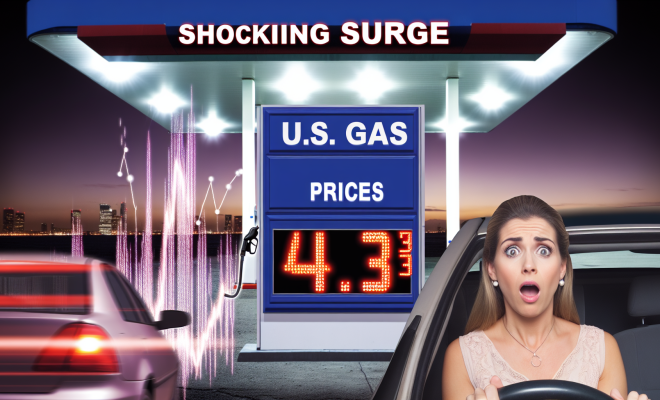
In a dramatic turn of events, U.S. gas prices have surged to an alarming $4.43 per gallon. This spike is largely attributed to a surge in oil prices fueled by escalating fears of supply disruptions linked to tensions in Iran and the critical shipping route of the Strait of Hormuz. As consumers brace for the financial impact, the ramifications of this increase reverberate through the economy, raising concerns about inflation, summer travel, and broader economic performance.
The Current Landscape of U.S. Gas Prices
Gasoline prices have always been a topic of concern for American consumers, but the recent increase has placed an urgent spotlight on the issue. As of now, the U.S. gas prices have not only crossed the $4 mark but have escalated to unprecedented levels, causing a ripple effect across various sectors of the economy. This rise is alarming for many households, particularly as summer approaches, a season traditionally associated with increased travel.
The Role of Oil Prices in Fuel Costs
The relationship between oil prices and gasoline costs is straightforward yet profound. When oil prices climb, as they have in recent weeks, the effects are directly felt at the pumps. The sharp increase in oil prices has been attributed to several factors:
- Geopolitical Tensions: Ongoing tensions with Iran have raised red flags about potential disruptions in oil supply, particularly concerning the critically important Strait of Hormuz, through which a significant percentage of the world’s oil supply is transported.
- Market Speculation: Investor sentiment plays a vital role in pricing; fears of supply disruptions have led to speculative trading in oil markets, driving prices further upward.
- Global Demand: As the world continues to recover from the pandemic, demand for oil has surged, further exacerbating the price rise.
Impact of Rising Gas Prices on Consumers
As gasoline prices continue to climb, the impact on consumers becomes increasingly apparent. The spike to $4.43 per gallon has ignited panic among American drivers who are now facing:
- Increased Living Costs: Higher fuel prices translate into increased costs for goods and services, as transportation expenses rise across the board.
- Reduced Travel Plans: With summer vacations approaching, many families are reconsidering their travel plans, which could dampen tourism and leisure-related industries.
- Inflationary Pressures: The ongoing rise in gas prices is just one component of a broader inflationary trend, making it essential for consumers to budget accordingly.
Economic Concerns: Inflation and Slowdown
The surge in U.S. gas prices is not just a temporary inconvenience; it raises larger questions about the state of the economy. Inflation, which has already been a pressing issue, could see renewed pressure as gas prices impact overall consumer spending. When consumers are forced to allocate more of their budgets to fuel, discretionary spending on other goods and services may decline.
This situation presents a dual challenge: while businesses may face increased transportation costs, consumers may tighten their belts, leading to a potential slowdown in economic growth. Economists are already warning that the combination of rising fuel costs and inflation may push the economy toward a downturn.
The Emotional Reaction to Rising Gas Prices
As the news of soaring gas prices spreads, the emotional reaction among consumers is palpable. The financial strain of increased gas prices is leading to a wave of frustration and outrage. Social media is rife with memes reflecting the dismay of families who had planned summer road trips, now faced with the reality of significantly higher travel costs.
Furthermore, the need to adapt to these rising prices has spurred a flurry of discussions about coping strategies. Many are sharing tips and tricks to save on fuel costs, from carpooling options to public transportation alternatives. The collective experience of grappling with high U.S. gas prices has fostered a sense of community as people seek solutions together.
Market Reactions and Predictions
The volatility in the gas market is closely linked to the stock market, with fluctuations in U.S. gas prices creating ripples across multiple sectors. As the cost of fuel rises, investors are increasingly focused on how this will impact consumer behavior and corporate profits. Platforms like Polymarket are buzzing with predictions and bet placements focusing on macroeconomic indicators, including the trajectory of gas prices.
The predictions surrounding gas prices often reflect broader economic sentiments. If the market perceives sustained high prices, we may witness significant shifts in consumer confidence and spending patterns.
Coping with Rising Gas Prices: Strategies for Consumers
For consumers feeling the pinch of rising gasoline prices, adjusting to the new economic reality requires proactive measures. Here are some strategies to consider:
- Monitor Fuel Prices: Use apps and websites to track gas prices in real-time, helping you find the best deals in your area.
- Carpooling: Consider organizing or joining carpool groups to share travel costs with friends or coworkers.
- Public Transportation: If available, using public transit can be a cost-effective alternative to driving.
- Maintain Your Vehicle: Keep your car in good shape to maximize fuel efficiency. Regular maintenance can prevent unnecessary fuel consumption.
- Plan Trips Wisely: Combine errands and plan your trips to minimize driving time and distance.
The Future of U.S. Gas Prices
The future trajectory of U.S. gas prices remains uncertain. While current geopolitical tensions and market conditions suggest continued volatility, factors such as changes in domestic production, advancements in renewable energy, and shifts in consumer behavior could alter the landscape. The hope is that technological innovations and policy changes will eventually stabilize fuel prices, but for now, consumers must adapt to the realities of a fluctuating market.
As we move into a critical period for the economy, the implications of rising gas prices will undoubtedly be felt across various sectors. The sense of urgency surrounding fuel costs ties into a broader narrative of economic resilience and adaptability. While the immediate future may seem bleak for many, there is always the prospect of change, whether through shifts in policy, market dynamics, or consumer behavior.
Conclusion: Navigating the Gas Price Surge
The spike in U.S. gas prices to $4.43 per gallon serves as a stark reminder of the interconnectedness of global events and local economies. As consumers grapple with the impact of rising prices on their daily lives, it is essential to remain informed and proactive. Understanding the underlying causes of these price changes, along with adopting strategic approaches to mitigate their effects, can empower consumers to navigate this challenging landscape. The future may be uncertain, but awareness and adaptability are key to overcoming the hurdles posed by soaring gas prices.