The Tech Edvocate

Top Menu

  • Advertisement
  • Apps
  • Home Page
  • Home Page Five (No Sidebar)
  • Home Page Four
  • Home Page Three
  • Home Page Two
  • Home Tech2
  • Icons [No Sidebar]
  • Left Sidbear Page
  • Lynch Educational Consulting
  • My Account
  • My Speaking Page
  • Newsletter Sign Up Confirmation
  • Newsletter Unsubscription
  • Our Brands
  • Page Example
  • Privacy Policy
  • Protected Content
  • Register
  • Request a Product Review
  • Shop
  • Shortcodes Examples
  • Signup
  • Start Here
    • Governance
    • Careers
    • Contact Us
  • Terms and Conditions
  • The Edvocate
  • The Tech Edvocate Product Guide
  • Topics
  • Write For Us
  • Advertise

Main Menu

  • Start Here
    • Our Brands
    • Governance
      • Lynch Educational Consulting, LLC.
      • Dr. Lynch’s Personal Website
      • Careers
    • Write For Us
    • The Tech Edvocate Product Guide
    • Contact Us
    • Books
    • Edupedia
    • Post a Job
    • The Edvocate Podcast
    • Terms and Conditions
    • Privacy Policy
  • Topics
    • Assistive Technology
    • Child Development Tech
    • Early Childhood & K-12 EdTech
    • EdTech Futures
    • EdTech News
    • EdTech Policy & Reform
    • EdTech Startups & Businesses
    • Higher Education EdTech
    • Online Learning & eLearning
    • Parent & Family Tech
    • Personalized Learning
    • Product Reviews
  • Advertise
  • Tech Edvocate Awards
  • The Edvocate
  • Pedagogue
  • School Ratings

logo

The Tech Edvocate

  • Start Here
    • Our Brands
    • Governance
      • Lynch Educational Consulting, LLC.
      • Dr. Lynch’s Personal Website
        • My Speaking Page
      • Careers
    • Write For Us
    • The Tech Edvocate Product Guide
    • Contact Us
    • Books
    • Edupedia
    • Post a Job
    • The Edvocate Podcast
    • Terms and Conditions
    • Privacy Policy
  • Topics
    • Assistive Technology
    • Child Development Tech
    • Early Childhood & K-12 EdTech
    • EdTech Futures
    • EdTech News
    • EdTech Policy & Reform
    • EdTech Startups & Businesses
    • Higher Education EdTech
    • Online Learning & eLearning
    • Parent & Family Tech
    • Personalized Learning
    • Product Reviews
  • Advertise
  • Tech Edvocate Awards
  • The Edvocate
  • Pedagogue
  • School Ratings
  • The AI Job Apocalypse: Are Companies Hiding The Real Reason For Mass Layoffs?

  • One Crucial Factor Could Decimate Your US Auto Insurance Rates in 2026

  • Unbelievable: Meta Hit With $25 Billion Fine — Is Your Health Data Next?

  • 10 Crucial AI Literacy Courses Every Parent Needs Now

  • The Unseen Force Quietly Reshaping Rural Life: 7 Satellite Internet Providers Battling for Supremacy

  • Best Buy’s Gamers Hub: The Unbelievable Truth About Its “Rewards” And Discounts

  • 8 Crucial Reasons Why MAI-DxO Just Obliterated Doctors in a Head-to-Head Diagnosis Battle

  • The Brutal Truth About Student Loan Refinancing for New Grads in 2024

  • The Brutal Truth: AI Just Blew Up PHP Security – Here’s How to Survive ‘Black October’

  • Sodium-ion storage maker Peak Energy raises $108 million in GM-led round – PV Magazine

Tech News
Home›Tech News›QR Code Phishing Skyrockets 146% in 2026: Protect Yourself Now!

QR Code Phishing Skyrockets 146% in 2026: Protect Yourself Now!
By Matthew Lynch
May 2, 2026
0
Spread the love

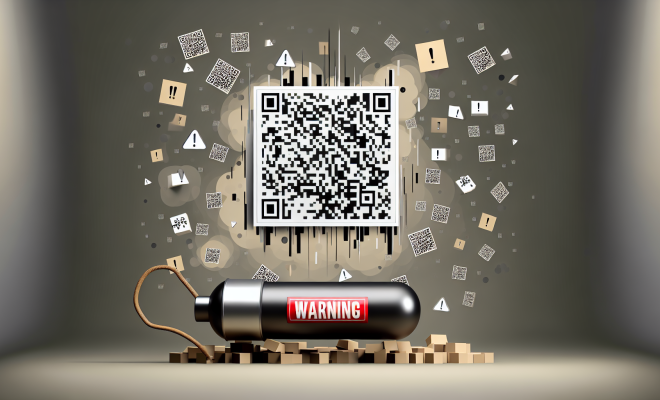
The digital landscape is constantly evolving, and with it, the tactics employed by cybercriminals to exploit unsuspecting users. A shocking revelation from Microsoft’s Q1 2026 threat report has unveiled a staggering shift in phishing strategies that is catching many off guard. While traditional email phishing attacks often relied on malicious attachments, a new threat has emerged that is raising alarms globally: QR code phishing attacks. This article delves into the explosive growth of QR code phishing, its implications for users, and the critical steps you need to take to protect yourself.

The Rise of QR Code Phishing

According to Microsoft’s findings, QR code phishing attacks skyrocketed from 7.6 million in January to an astounding 18.7 million in March, marking a jaw-dropping 146% increase. This makes QR codes the fastest-growing attack vector amidst a staggering total of 8.3 billion detected email phishing attempts. So, why are cybercriminals opting for QR codes rather than traditional methods? The answer lies in their ability to bypass conventional security measures and target mobile devices directly.

How QR Code Phishing Works

QR codes, or Quick Response codes, are two-dimensional barcodes that can be scanned using mobile devices. They have gained popularity in recent years for their convenience, particularly in contactless transactions and digital marketing. However, attackers have found a way to exploit this technology by embedding malicious URLs within QR codes, making it difficult for traditional text-based scanners to detect them.

When unsuspecting users scan these malicious QR codes, they are redirected to phishing websites designed to steal sensitive information such as passwords, credit card numbers, and personal identification. This method is particularly effective as it leverages the unsuspecting nature of users who believe they are engaging with legitimate content.

Why the Shift from Attachments to Links?

Historically, phishing attacks primarily relied on email attachments, such as documents or executable files, that contained malware. However, several factors have contributed to the shift towards QR codes:

  • Increased Mobile Device Usage: With more users accessing emails and online content via smartphones, phishing strategies have adapted to target mobile platforms.
  • Bypassing Security Measures: Many email clients and security software are designed to detect malicious attachments or links. QR codes can evade these protections, making them a formidable tool for cybercriminals.
  • User Trust in QR Codes: The growing acceptance of QR codes in retail, dining, and other sectors has led to a false sense of security among users, who may not scrutinize the codes as they would with traditional links.

The Implications for Users

The rise of QR code phishing is not just a statistic; it poses a real threat to everyday users. As the trend continues to explode, it is essential for individuals to be aware of the risks associated with scanning QR codes. The urgency of this situation cannot be overstated, given the increasing reliance on digital transactions and remote interactions.

Protecting Yourself Against QR Code Phishing

As QR code phishing attacks become more prevalent, users must arm themselves with knowledge and tools to mitigate the risks. Here are some crucial steps to enhance your safety:

  • Verify the Source: Always ensure that the QR code comes from a trusted source. If you’re unsure, do not scan the code.
  • Use a QR Code Scanner with Security Features: Opt for QR code scanners that can identify malicious URLs and alert you before you proceed.
  • Avoid Public Wi-Fi: Conduct sensitive transactions over secure networks rather than public Wi-Fi to minimize the chances of interception.
  • Be Wary of Unusual Requests: If the QR code leads to a site asking for sensitive information, think twice before submitting any data.
  • Keep Your Software Updated: Regularly update your device’s operating system and applications to protect against vulnerabilities.

The Future of Phishing: What Lies Ahead?

As technology evolves, so do the tactics of cybercriminals. The emergence of QR code phishing signifies a shift in how phishing attempts are executed, and it highlights the need for users to remain vigilant. While the recent surge in QR code phishing attacks is alarming, it is essential to recognize that education and awareness are the first lines of defense.

Organizations and security experts are already working on strategies to combat this growing threat. This includes developing security protocols specifically designed to thwart QR code phishing and educating the public on how to recognize and avoid these scams.

Conclusion

The explosive growth of QR code phishing attacks, as detailed in Microsoft’s Q1 2026 threat report, serves as a wake-up call for all internet users. With a staggering 146% increase in just a few months, the need for awareness and proactive measures has never been more critical. By understanding how these attacks work and implementing protective strategies, you can better safeguard yourself against this new wave of deception.

As you navigate the digital world, remember that being informed is your best defense. Stay vigilant, prioritize security, and do not let convenience blind you to the potential risks that come with scanning QR codes.

Previous Article

Rivian Stock Soars 50%: What This Explosive ...

Next Article

Google’s 2024 Bug Bounty Shake-Up: AI Reshapes ...

Matthew Lynch

Related articles More from author

  • Tech News

    Gen Z’s Anti-AI Rebellion: Embracing Simplicity in a Saturated World

    June 16, 2026
    By Matthew Lynch
  • Tech News

    Plant-Based Nutrition Saves Kidney Patients Thousands in 2026

    June 23, 2026
    By Matthew Lynch
  • Tech News

    Can Wrike integrate with Adobe Creative Cloud

    August 27, 2026
    By Matthew Lynch
  • Tech News

    April 8, 2026: Stock Market Highlights & IHG Share Buyback

    April 8, 2026
    By Matthew Lynch
  • Tech News

    Learn how to build your own Amazon dropshipping business in £23 course

    July 30, 2024
    By Matthew Lynch
  • Tech News

    Unlock Your Reach: Find Trending Hashtags for Social Media

    June 13, 2026
    By Matthew Lynch

Search

Login & Registration

  • Log in
  • Entries feed
  • Comments feed
  • WordPress.org

Newsletter

Signup for The Tech Edvocate Newsletter and have the latest in EdTech news and opinion delivered to your email address!

About Us

Since technology is not going anywhere and does more good than harm, adapting is the best course of action. That is where The Tech Edvocate comes in. We plan to cover the PreK-12 and Higher Education EdTech sectors and provide our readers with the latest news and opinion on the subject. From time to time, I will invite other voices to weigh in on important issues in EdTech. We hope to provide a well-rounded, multi-faceted look at the past, present, the future of EdTech in the US and internationally.

We started this journey back in June 2016, and we plan to continue it for many more years to come. I hope that you will join us in this discussion of the past, present and future of EdTech and lend your own insight to the issues that are discussed.

Newsletter

Signup for The Tech Edvocate Newsletter and have the latest in EdTech news and opinion delivered to your email address!

Contact Us

The Tech Edvocate
910 Goddin Street
Richmond, VA 23231
(601) 630-5238
[email protected]

Copyright © 2026 Matthew Lynch. All rights reserved.