Joby Aviation’s Electric ‘Flying Cars’ Take Flight: A New Era in Urban Air Mobility
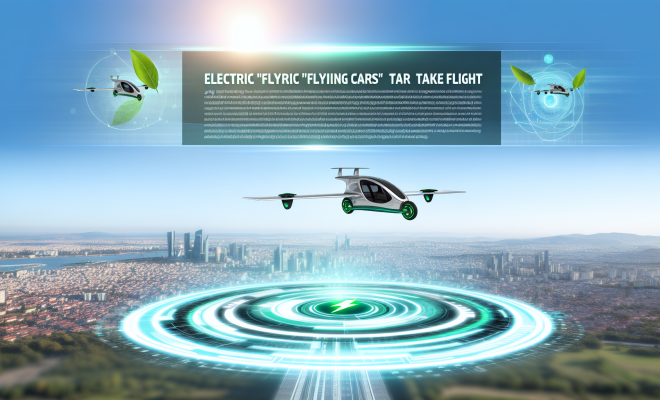
In a remarkable leap towards the future of urban air transportation, Joby Aviation, an innovative U.S. startup backed by the automotive giant Toyota Motor Corporation, has initiated test flights of its electric vertical takeoff and landing (eVTOL) aircraft in New York City. This significant advancement in technology marks a pivotal moment in the development of urban air mobility, showcasing the potential of ‘flying cars’ to revolutionize how we navigate congested metropolitan areas.
Joby Aviation: Pioneers of eVTOL Technology
Founded in 2009, Joby Aviation has been at the forefront of developing electric aircraft designed for aerial transportation. With a mission to transform urban mobility, Joby aims to offer a sustainable and efficient alternative to traditional ground transportation. The startup has garnered significant attention and investment, particularly from Toyota, which has recognized the potential of eVTOL technology to reshape the transportation landscape.
The Role of Toyota
Toyota’s investment in Joby Aviation is part of a broader strategy to diversify its portfolio beyond traditional automotive manufacturing. The partnership underscores Toyota’s commitment to exploring innovative technologies that align with changing consumer demands and the growing need for sustainable transportation solutions. By leveraging its expertise in manufacturing and engineering, Toyota aims to support Joby in bringing its electric flying car to market.
Milestone Test Flights in New York
On Monday, Joby Aviation commenced demonstration flights in New York, a city notorious for its traffic congestion and limited ground transportation options. The flights are being conducted along existing helicopter routes, a strategic choice that allows Joby to operate within an established airspace framework while minimizing the complexity of navigating through densely populated areas.
Details of the Test Flights
- Initial Phase: The initial test flights will carry only pilots, with no passengers onboard. This cautious approach allows the team to gather crucial data on the aircraft’s performance and safety.
- Flight Duration: Each test flight is expected to last a short duration, focusing on assessing the aircraft’s capabilities in real-world conditions.
- Route Selection: The chosen helicopter routes provide a familiar and regulated environment for the test flights, ensuring compliance with existing aviation regulations.
The Future of Urban Air Mobility
The successful demonstration of eVTOL aircraft represents a significant advancement in urban air mobility, a concept that has gained traction in recent years as cities grapple with increasing populations and traffic congestion. Urban air mobility aims to provide efficient aerial transportation solutions, reducing travel time and easing the strain on ground transportation systems.
Benefits of eVTOL Technology
- Reduced Traffic Congestion: By utilizing airspace for short-distance travel, eVTOL aircraft can alleviate pressure on road networks, leading to smoother commutes.
- Environmental Impact: Joby’s electric aircraft are designed to operate quietly and produce zero emissions, contributing to the reduction of urban air pollution.
- Increased Accessibility: Urban air mobility can provide greater access to transportation for underserved communities, enhancing mobility options for all residents.
Challenges Ahead
While the prospects of eVTOL technology are promising, several challenges remain before flying cars become a staple of urban transportation. Regulatory hurdles, public acceptance, and technological advancements are critical factors that must be addressed.
Regulatory Landscape
One of the primary challenges facing the eVTOL industry is the regulatory framework governing air travel. As with any aviation technology, eVTOLs must adhere to stringent safety and operational regulations set forth by aviation authorities. This includes rigorous testing and certification processes to ensure the safety of passengers and aircraft.
Public Perception and Acceptance
Public acceptance of flying cars will play a crucial role in the success of urban air mobility. Concerns regarding safety, noise pollution, and the environmental impact of aerial traffic must be addressed. Education and outreach initiatives will be essential in fostering public trust and understanding of this new mode of transportation.
Technological Advancements
Continued advancements in battery technology, autopilot systems, and aircraft design are vital for the feasibility of eVTOL vehicles. Manufacturers must innovate to create aircraft that are not only safe and reliable but also cost-effective for consumers.
Conclusion
The commencement of test flights by Joby Aviation marks a significant milestone in the journey towards urban air mobility. With the backing of Toyota and a commitment to sustainability, Joby is positioning itself as a leader in the eVTOL space. As technology evolves and regulatory frameworks develop, the vision of flying cars may soon become a reality, transforming the way we perceive urban transportation.
As cities continue to expand and evolve, the integration of aerial vehicles into everyday life may offer a promising solution to the challenges of modern urban living. The future is taking flight, and Joby Aviation is at the helm of this exciting new chapter in transportation.