Strengthening Parental Control: The Case for a Social Media Ban for Kids
Introduction
In an increasingly digital world, the debate surrounding children’s access to smartphones and social media platforms has become a significant concern for many parents. A recent Canada-wide survey conducted by Angus Reid reveals that a substantial number of parents, particularly those who restrict their children’s smartphone use, support the idea of a government ban on social media for minors. This article delves into the reasons behind this support, examining the implications of social media on youth and the potential benefits of implementing stricter regulations.
The Growing Concern Around Social Media
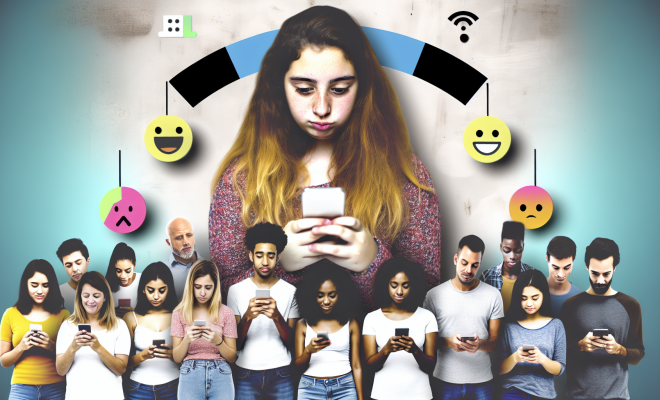
As children and teenagers are exposed to smartphones at younger ages than ever before, the implications of social media on their mental health and well-being have garnered attention from both parents and researchers alike. Numerous studies indicate that excessive use of social media can lead to anxiety, depression, and a host of other issues among young people. With platforms like TikTok, Facebook, Instagram, YouTube, Snapchat, and Threads becoming increasingly popular, parents are understandably worried about the impact these platforms can have on their children.
Parental Restrictions and the Need for Support
Many parents have taken proactive measures to limit their children’s exposure to smartphones and social media. According to the Angus Reid survey, a significant number of these parents believe that while their efforts are essential, they would feel more secure if backed by government policies. Approximately three-quarters of the 4,000 respondents expressed favor for a ban similar to Australia’s restrictions, which prevent youth under 16 from creating accounts on popular social media platforms.
The Angus Reid Survey: Key Findings
The survey conducted by Angus Reid provides a comprehensive look at public opinion on this issue. Here are some key findings:
- Support for a Ban: 75% of respondents support a government ban on social media for children under 16.
- Parental Concerns: Many parents feel that current restrictions are not enough to protect their children from online dangers.
- Awareness of Risks: A majority of parents are aware of the mental health risks associated with social media use among youth.
- Desire for Assistance: Parents express a strong desire for government intervention to help safeguard their children online.
The Case for Government Intervention
Supporters of a government ban argue that such measures would not only reinforce existing parental controls but also provide a more uniform approach to protecting children across the country. Here are some potential benefits of implementing a government-level ban:
1. A Unified Standard
A government ban would establish a clear and consistent standard for social media use among minors, making it easier for parents to navigate the complexities of digital parenting. Parents would no longer have to rely solely on their individual judgment, as a national policy would provide guidelines for acceptable behavior.
2. Enhanced Protection Against Online Harassment
Social media platforms can be breeding grounds for bullying and harassment. By restricting access to these platforms for younger users, children may be better protected from online predators and cyberbullying. This protective measure could help create a safer online environment for minors.
3. Improved Mental Health Outcomes
Numerous studies have linked excessive social media use to negative mental health outcomes in youth. By limiting access to these platforms, a government ban could help alleviate some of the mental health issues associated with social media, such as anxiety, depression, and low self-esteem.
4. Encouragement of Offline Activities
With fewer distractions from social media, children may be more inclined to engage in offline activities, such as sports, reading, and spending time with family. This shift could promote healthier lifestyles and stronger family bonds.
Challenges and Counterarguments
While the prospect of a government ban on social media for minors has garnered significant support, there are also challenges and counterarguments that must be considered:
1. Freedom of Expression
Opponents of a ban argue that restricting access to social media could infringe on children’s rights to freedom of expression and limit their ability to connect with peers. In a world where digital communication is increasingly the norm, some believe that children should learn to navigate social media responsibly rather than be barred from it altogether.
2. Parental Responsibility
Critics also argue that the onus should be on parents to regulate their children’s social media use rather than relying on government intervention. Many believe that parents should be equipped with the tools and knowledge to guide their children through the challenges of digital life without needing a blanket ban.
3. Implementation and Enforcement Issues
Implementing and enforcing a government ban could present logistical challenges. Questions arise regarding how such a ban would be enforced and whether social media companies would comply with the regulations. Additionally, there are concerns about the potential for loopholes that could undermine the effectiveness of the ban.
Conclusion
The discussion surrounding a government ban on social media for minors reflects a growing concern among parents about the impact of digital technology on their children’s lives. As the Angus Reid survey highlights, many parents feel overwhelmed by the challenges of safeguarding their children online and believe that government intervention could provide much-needed support.
While there are valid counterarguments to consider, the potential benefits of a ban—such as enhanced protection against online harassment, improved mental health outcomes, and encouragement of offline activities—cannot be overlooked. As society grapples with the implications of technology on youth, the call for a structured approach to social media use among minors may become increasingly pressing.
Ultimately, fostering a safe digital environment for children requires a collective effort from parents, educators, and policymakers. Whether through government action or enhanced parental education, it is clear that addressing the challenges of social media is a priority that can no longer be ignored.