The Global Embrace of Chinese Culture: How ‘Becoming Chinese’ is Transforming Lifestyles Worldwide
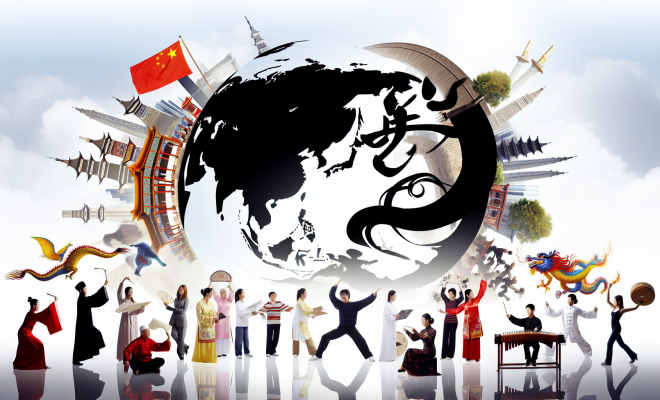
The world is witnessing an unprecedented cultural phenomenon known as the “Becoming Chinese” trend, which has captivated millions and is reshaping consumption habits across the globe. Originating from a viral video series by an overseas content creator, this trend invites individuals to adopt various aspects of Chinese culture into their daily routines. From drinking hot water to practicing tai chi, the appeal of this movement is not just its novelty but also its deep-rooted connections to health and well-being.
The Birth of a Cultural Trend
In April 2026, a popular video series began circulating on social media platforms, showcasing the simplicity and health benefits of traditional Chinese habits. The creator, who has yet to be publicly identified, captured the attention of a global audience by highlighting daily practices that many Chinese people have embraced for centuries. Video after video demonstrated these rituals, leading viewers to reconsider their own lifestyles and health practices.
Key Elements of the Trend
At the heart of the “Becoming Chinese” trend are several fundamental practices that have resonated with a wide audience:
- Drinking Hot Water: A staple in Chinese households, this practice is believed to aid digestion and keep the body warm.
- Goji Berry Tea: Known for its health benefits, this herbal tea is gaining popularity among those seeking natural remedies.
- Wearing House Slippers: Reflecting comfort and cleanliness, this practice is seen as a way to maintain hygiene indoors.
- Avoiding Raw Vegetables in Winter: This dietary choice is thought to align with traditional Chinese medicine principles that emphasize warming foods during colder months.
- Practicing Tai Chi: This ancient martial art is not only a form of exercise but also a meditative practice that promotes mental clarity and physical health.
Cultural Exchange and Global Impact
The “Becoming Chinese” trend represents more than just a series of practices; it embodies a significant cultural exchange. As individuals across various countries adopt these habits, they are also expressing a growing curiosity about Chinese culture. The trend has sparked a surge in online searches for Chinese products, leading to an increase in sales of items associated with these practices.
Market Growth and Consumer Behavior
Retailers have taken notice of this cultural shift. Sales of traditional Chinese products, from herbal teas to tai chi instructional videos, have skyrocketed. E-commerce platforms report a remarkable uptick in purchases related to the trend, with many consumers eager to integrate these elements into their lives.
According to market analysts, the global market for herbal teas, particularly goji berry tea, is expected to grow by over 15% in the next five years, driven largely by this cultural interest. Similarly, tai chi classes and online tutorials are witnessing an influx of new participants, many of whom are eager to learn and practice this ancient art form.
The Health Connection
One of the key factors driving the “Becoming Chinese” trend is the increasing global focus on health and wellness. With rising concerns about stress, diet, and overall lifestyle choices, many individuals are looking for holistic approaches that prioritize well-being. Chinese traditions emphasize balance, mindfulness, and the use of natural remedies—all of which appeal to modern consumers.
Traditional Wisdom Meets Modern Needs
Chinese medicine, with its principles rooted in harmony and balance, offers insights that resonate with those grappling with the fast pace of contemporary life. The adoption of practices like drinking hot water and avoiding raw foods in winter reflects a desire for a more mindful and health-conscious lifestyle.
Moreover, tai chi, often described as “meditation in motion,” provides not just physical benefits but also mental clarity, making it an attractive option for those seeking stress relief. As more individuals turn to alternative health practices, the principles of traditional Chinese medicine are finding a receptive audience worldwide.
The Role of Social Media
Social media platforms have played a pivotal role in the spread of the “Becoming Chinese” trend. The viral nature of content allows for rapid dissemination of ideas, making it easier for cultural practices to cross borders. Users share their experiences, tips, and results, creating a sense of community around these new habits.
Engagement and Community Building
The interactive nature of social media encourages engagement, which has led to the formation of groups and forums where individuals can discuss their journeys toward embracing Chinese culture. This communal aspect fosters a deeper understanding and appreciation of the practices being adopted.
Influencers and content creators continue to amplify the trend, sharing their personal stories and the benefits they have experienced. As followers witness tangible results, the desire to join in only grows, further fueling the trend’s momentum.
Critiques and Cultural Sensitivity
While the “Becoming Chinese” trend has largely been celebrated, it has not been without its critiques. Some commentators have raised concerns about cultural appropriation, questioning whether the adoption of these practices is done with sufficient understanding and respect for their origins.
Navigating Cultural Nuances
It is essential for individuals to approach these practices with cultural sensitivity. Engaging with the traditions authentically and respectfully can lead to a more meaningful experience. Understanding the historical and cultural context behind these habits enriches the practice and fosters genuine appreciation.
Moreover, dialogue within communities regarding cultural exchange can help address concerns about appropriation. Open discussions can lead to a deeper understanding of the significance of these practices and how they can be adopted in a respectful manner.
The Future of Cultural Trends
The “Becoming Chinese” trend is a testament to the power of cultural exchange in our increasingly interconnected world. As more individuals seek to enhance their lives through the adoption of diverse practices, we can expect to see further blending of cultural elements.
Sustaining Interest
For the trend to remain sustainable, it is crucial for participants to continue exploring and learning about the origins of the practices they adopt. This ongoing engagement can transform a fleeting trend into a lasting appreciation for Chinese culture.
As the world becomes more globalized, the potential for cultural trends to influence lifestyles will only increase. The “Becoming Chinese” phenomenon exemplifies how cultural practices can transcend borders, offering individuals new pathways to health, wellness, and community.
Conclusion
The “Becoming Chinese” trend is a remarkable illustration of how cultural fascination can lead to significant lifestyle changes and commercial impacts worldwide. As millions embrace these practices, they not only enhance their well-being but also contribute to a greater understanding and appreciation of Chinese culture.
In a world where cultural exchange is more vital than ever, the trend serves as a reminder of our shared humanity and the diverse practices that enrich our lives. The journey of “Becoming Chinese” is not just about adopting new habits; it is about fostering connections and celebrating the beauty of cultural diversity.