Navigating the Digital Landscape: Overcoming the Attention Crisis in Modern Marketing
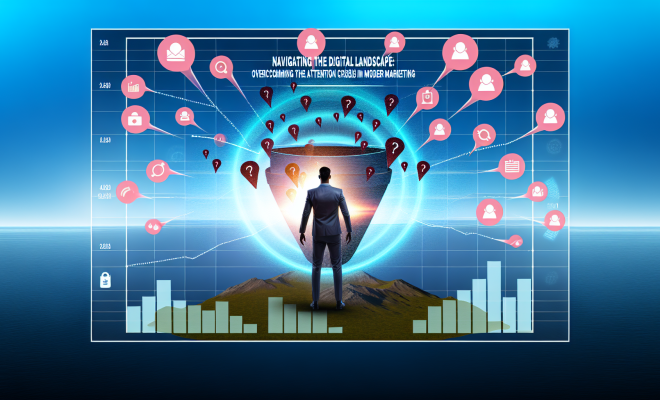
The digital landscape is evolving at an unprecedented rate, with consumers spending an average of over six hours a day online across a multitude of devices, platforms, and formats. While this surge in screen time presents an opportunity for marketers to reach audiences like never before, it also introduces a perplexing paradox: more screen time does not equate to greater consumer attention. This article delves into the implications of this phenomenon for marketers and how they can adapt their strategies to effectively engage with consumers in an increasingly crowded digital space.
The Rise of Screen Time
In recent years, the way consumers interact with digital content has transformed dramatically. The proliferation of smartphones, tablets, and smart devices has made it easier than ever for individuals to stay connected. Statistics indicate that the average daily internet usage has surpassed six hours, a figure that encompasses activities ranging from social media browsing to streaming video content. This shift has led to a more digitally accessible population, with people engaging with brands and content through various channels.
Understanding the Digital Ecosystem
The digital ecosystem is a complex web of platforms, channels, and formats that consumers navigate daily. Social media, online shopping, video streaming, and mobile applications are just a few of the avenues through which brands attempt to capture the attention of their target audience. However, as consumers become inundated with information and advertisements, the challenge for marketers is not just to reach these audiences but to do so in a way that resonates and engages.
The Attention Crisis
Despite the increased availability of consumer attention through extended screen time, marketers face an alarming reality: the attention span of the average consumer is diminishing. Numerous studies have shown that individuals are more likely to skim content quickly rather than engage deeply with it. This phenomenon, often referred to as the attention crisis, poses a significant challenge for brands attempting to convey their messages effectively.
Measuring Engagement
Traditional metrics of engagement, such as clicks and impressions, are becoming less reliable indicators of consumer interest. Marketers are realizing that simply reaching a large audience is not enough; the focus must shift to capturing meaningful engagement. As a result, brands are exploring new ways to measure attention and engagement, including:
- Time spent on content: Understanding how long consumers engage with different types of content can provide insights into what resonates with them.
- Interaction rates: Analyzing likes, shares, comments, and other forms of interaction can help gauge the effectiveness of marketing campaigns.
- View-through rates: Measuring how many consumers take action after viewing an advertisement can provide a clearer picture of engagement.
Adapting Marketing Strategies
To navigate the paradox of increased screen time and decreased attention, marketers are adapting their strategies significantly. The focus is shifting from broad reach campaigns to more flexible, intent-driven approaches that prioritize personalization and real-time engagement.
Intent-Driven Marketing
Intent-driven marketing involves crafting campaigns that align with the specific needs and desires of consumers at any given moment. By leveraging data analytics and consumer insights, brands can create targeted content that resonates with audiences on a more personal level. This approach allows marketers to connect with consumers in a way that feels relevant and timely, ultimately driving engagement.
Real-Time Indicators
The ability to respond to consumer behavior in real-time is becoming increasingly important for marketers. By monitoring online trends and consumer interactions, brands can adjust their messaging and content strategies on the fly. This agility not only enhances engagement but also ensures that brands remain relevant in a fast-paced digital environment.
Platform-Specific Creative Content
Different platforms cater to varied user behaviors and preferences. Understanding these nuances is essential for creating effective marketing content. Marketers are increasingly investing in platform-specific creative strategies that take into account the unique characteristics of each medium. For instance:
- Short-form videos: Platforms like TikTok and Instagram Reels require quick, captivating content that grabs attention within seconds.
- Interactive content: Quizzes, polls, and interactive infographics can drive higher engagement on social media platforms.
- Long-form content: Blogs and in-depth articles can be effective for platforms like LinkedIn, where users may seek comprehensive information.
Personalized Messaging
Personalization is no longer a luxury but a necessity in modern marketing. Consumers expect brands to understand their preferences and tailor messages accordingly. By utilizing data-driven insights, marketers can create personalized experiences that resonate with individual consumers.
Segmenting Audiences
To effectively personalize messaging, marketers must segment their audiences based on various criteria, including demographics, behaviors, and interests. By understanding the unique characteristics of different segments, brands can develop targeted content that speaks directly to their needs.
Leveraging Data Analytics
Data analytics plays a crucial role in personalizing marketing efforts. By analyzing consumer behavior and preferences, brands can gain valuable insights that inform their messaging strategies. Whether through customer relationship management (CRM) systems or analytics tools, leveraging data allows marketers to create relevant and timely content.
Building Meaningful Relationships
In a landscape where attention is scarce, building meaningful relationships with consumers is paramount. Brands that prioritize authenticity and connection are more likely to capture and retain consumer interest.
Engagement Beyond Transactions
Brands should focus on engaging consumers beyond mere transactions. This involves fostering a sense of community, encouraging dialogue, and providing value beyond products or services. By creating a two-way communication channel, brands can strengthen their relationship with consumers and enhance loyalty.
Utilizing Social Proof
Social proof, such as customer testimonials and user-generated content, can play a significant role in building trust and credibility. When potential customers see positive experiences shared by others, they are more likely to engage with a brand. Marketers should actively encourage and showcase this type of content to enhance their brand’s reputation.
Conclusion
The paradox of increased screen time leading to decreased attention presents a unique challenge for marketers in today’s digital landscape. As consumers become more digitally accessible, brands must adapt their strategies to effectively capture meaningful engagement. By shifting to intent-driven marketing, leveraging real-time insights, creating platform-specific content, personalizing messaging, and building authentic relationships, brands can navigate this complex environment and connect with consumers in a meaningful way.
As we move forward, the key to overcoming the attention crisis lies in understanding the evolving behaviors and preferences of consumers. Marketers who embrace flexibility, creativity, and personalization will be best positioned to thrive in an increasingly competitive digital space.