Protecting the Atacama Desert: A Crucial Battle Against Light Pollution
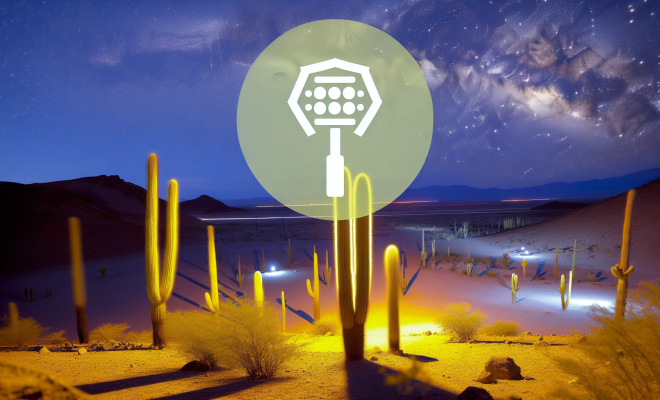
The Atacama Desert in Chile is renowned for its unparalleled dark skies, making it one of the best locations globally for astronomical observations. Home to the Paranal Observatory, managed by the European Southern Observatory (ESO), this region offers a unique environment that allows astronomers to explore the universe with remarkable clarity. However, the dark skies of the Atacama Desert are increasingly under threat from various factors, including light pollution, dust, micro-vibrations, and atmospheric turbulence, as reported by Nayara Batschke of the Associated Press on April 26, 2026.
The Importance of Dark Skies
Dark skies are vital for both scientific research and the general public’s appreciation of the night sky. The Atacama Desert’s high altitude, dry climate, and low light pollution create an optimal setting for telescopes to capture faint celestial objects. This is particularly significant for the upcoming construction of the world’s most powerful optical telescope at the Paranal Observatory, which is expected to revolutionize our understanding of the universe.
Threats to the Atacama Desert’s Skies
The primary threat to the Atacama Desert’s dark skies comes from light pollution, which is the excessive artificial light produced by urban development and industrial activities. As cities expand and energy projects are proposed, the potential for light pollution to disrupt astronomical observations becomes a pressing concern.
Light Pollution
- Definition: Light pollution refers to the brightening of the night sky caused by streetlights, buildings, and other sources of artificial light.
- Impact on Astronomy: Light pollution can obscure celestial objects, making it difficult for astronomers to observe stars, planets, and other astronomical phenomena.
- Health Concerns: Beyond astronomy, light pollution also affects wildlife behavior and human health, disrupting sleep patterns and contributing to various health issues.
Other Environmental Factors
In addition to light pollution, several other environmental factors pose risks to the Atacama Desert’s pristine skies:
- Dust: The Atacama Desert is one of the driest places on Earth, but dust storms can still occur, affecting air quality and visibility.
- Micro-vibrations: These subtle movements can interfere with the precision needed for high-quality astronomical observations, especially with large telescopes.
- Atmospheric Turbulence: Changes in atmospheric conditions can distort light from celestial objects, complicating observation efforts.
The Battle Against Proposed Developments
In response to the growing threats, scientists and environmentalists have been vocal about the need to protect the Atacama Desert’s dark skies. Last year, a proposed green energy complex by an energy firm was set to be built just kilometers away from the Paranal Observatory. This project raised alarms among astronomers and advocates for dark skies, who argued that it would significantly contribute to light pollution and disrupt ongoing research.
The Cancellation of the Energy Project
Fortunately, due to widespread opposition from the scientific community and environmental advocates, the energy project was canceled. This victory, however, is fraught with uncertainty. Weak regulations governing land use and development in the region leave the door open for similar projects that could jeopardize the integrity of the Atacama Desert’s night skies.
Calls for Stronger Protections
The ongoing threat of light pollution and other environmental disturbances has sparked calls for stronger protections for the Atacama’s dark skies. Scientists and advocates are urging local and national governments to implement stricter regulations that would limit light pollution and ensure that any future developments take into account the potential impact on astronomical research.
Strategies for Protection
- Establishing Dark Sky Reserves: Designating areas as dark sky reserves can help protect these regions from light pollution and promote awareness of the importance of dark skies.
- Implementing Strict Lighting Regulations: Enforcing regulations that restrict excessive lighting and require the use of shielded fixtures can minimize the impact of artificial light.
- Community Engagement: Engaging local communities in conservation efforts can foster a sense of stewardship over the natural environment and the night sky.
The Role of the European Southern Observatory
The European Southern Observatory (ESO) plays a crucial role in the protection of the Atacama Desert’s dark skies. As a leading organization in astronomical research, the ESO is committed to ensuring that its facilities, including the Paranal Observatory, remain at the forefront of observational astronomy.
Research and Advocacy
- Astronomical Research: ESO conducts cutting-edge research that relies on the unique atmospheric conditions of the Atacama Desert.
- Environmental Advocacy: The organization advocates for responsible development practices and collaborates with local authorities to promote dark sky initiatives.
- Public Outreach: ESO engages with the public through educational programs and events, raising awareness about the importance of dark skies for both science and cultural heritage.
Conclusion: A Shared Responsibility
As the Atacama Desert continues to face threats from light pollution and other environmental factors, the responsibility to protect its dark skies falls on all of us. The scientific community, local governments, environmental advocates, and the public must work together to ensure that this invaluable resource remains intact for future generations. The battle for the Atacama Desert’s skies is not just about preserving a location for astronomical observation; it is about maintaining a connection to the cosmos that has inspired humanity for millennia. Through collective action and stronger regulatory measures, we can safeguard this precious environment and continue to explore the wonders of the universe.