The Dopamine Dance: Uniting Generations Through Rhythm
In the ever-evolving realm of social media, trends come and go with astonishing speed. One of the latest phenomena captivating users across various platforms is the Dopamine Dance, inspired by the high-energy track ‘Dopamine’ by Indian pop sensation Guru Randhawa. This infectious Punjabi-pop fusion song has not only captured the hearts of younger audiences but has also resonated with older generations, creating a unique intersection of cultural appreciation and shared joy.
The Rise of the Dopamine Dance
The Dopamine Dance trend is more than just a catchy tune; it embodies a collective experience that has the power to unite people from different walks of life. As the song’s beats pulse through social media feeds, users are encouraged to create their own dance videos, showcasing their moves and sharing their interpretations of the rhythm. The dance itself is characterized by upbeat, lively movements that reflect the song’s vibrant energy.
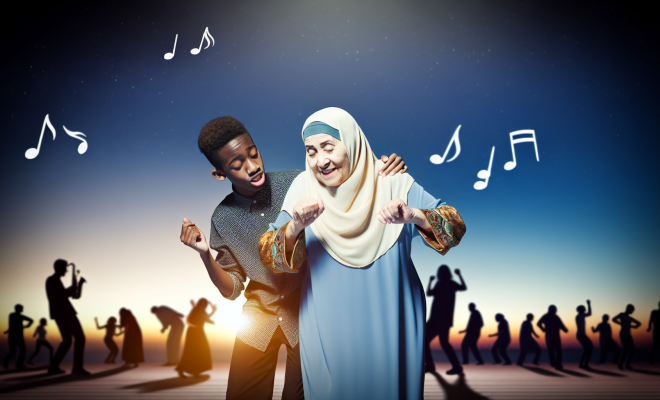
In a world where digital content often caters to specific age groups, the Dopamine Dance stands out as a bridge between generations. TikTok, Instagram, and other platforms are flooded with videos of users ranging from toddlers to grandparents participating in the dance, each adding their unique flavor to the trend. This phenomenon highlights an interesting aspect of social media: the ability to transcend age barriers through shared experiences.
Why Dopamine?
The term dopamine refers to a neurotransmitter in the brain that plays a significant role in how we feel pleasure. The song’s title and its infectious beat are designed to evoke feelings of happiness and excitement, making it a perfect candidate for a viral dance trend. As users engage with the song and the accompanying choreography, they experience a rush of feel-good emotions that can enhance their overall mood.
In light of the ongoing global challenges, including the pandemic and economic uncertainties, the Dopamine Dance serves as a refreshing escape. It encourages people to let loose and express themselves creatively, fostering a sense of community and connection in an otherwise isolating time.
The Mechanics of Viral Trends
Understanding how trends like the Dopamine Dance gain traction requires a closer look at the mechanics of virality on social media. Trends can evolve rapidly, often gaining momentum within hours and peaking within days. The Dopamine Dance is no exception, having quickly amassed millions of views and engagement across platforms.
Key Factors in Trend Evolution
- Inclusivity: The simplicity of the dance moves makes it accessible to a wide audience, encouraging participation from various age groups and skill levels.
- Relatable Content: The song’s themes of enjoyment and positivity resonate with users looking for a light-hearted distraction from daily stresses.
- Community Engagement: Social media platforms allow users to interact, remix, and share their versions of the dance, creating a sense of belonging and encouraging further participation.
- Influencer Participation: The involvement of social media influencers can significantly amplify a trend’s reach, as their followers often emulate their content.
A Cultural Fusion
At the heart of the Dopamine Dance is a celebration of cultural diversity. Guru Randhawa, known for his ability to blend traditional Punjabi music with contemporary pop elements, has created a sound that appeals to a broad audience. This fusion not only highlights the beauty of cultural intersections but also encourages listeners to appreciate different musical styles.
As more individuals engage with the dance, they unknowingly participate in a cultural exchange that fosters greater understanding and appreciation for diverse backgrounds. The Dopamine Dance is a testament to the power of music and movement in bridging divides, promoting harmony, and celebrating unity.
Generational Connections Through Dance
The Dopamine Dance trend exemplifies how social media can facilitate connections between generations. Younger users, often considered the primary audience for viral trends, have found common ground with older individuals who may have grown up with similar musical influences or who appreciate the joy of dance.
The Impact of Intergenerational Engagement
As families and friends share their own renditions of the dance, they create memories that transcend age. This engagement fosters conversations and connections that might not have occurred otherwise. For instance, a grandparent may find themselves dancing alongside their grandchild, sparking stories of their own youth and creating lasting bonds.
Moreover, the trend encourages a sense of nostalgia for older generations, who may be reminded of the music and dances from their formative years. This cross-generational appeal is crucial in a society that often sees divides between age groups.
The Role of Social Media Platforms
Social media platforms play a pivotal role in the success of trends like the Dopamine Dance. TikTok, for instance, has become a breeding ground for viral dances and music trends, thanks to its user-friendly format that encourages creativity and participation. The platform’s algorithm promotes engaging content, allowing trends to spread rapidly.
Platform-Specific Dynamics
- TikTok: Known for its short-form videos, TikTok allows users to create quick dance challenges that can go viral overnight.
- Instagram: With features like Reels and Stories, Instagram users can share their dance videos with a broader audience, further fueling the trend.
- YouTube: Longer-form content on YouTube allows for tutorials and compilations, helping users learn the dance and share their experiences.
Conclusion: A Dance for All Ages
The Dopamine Dance is more than just a fleeting trend; it represents a cultural moment where music and movement unite individuals across generations. As users continue to share their interpretations of the dance, they contribute to a growing community that values joy, creativity, and connection.
In a digital landscape where trends can often feel short-lived, the Dopamine Dance stands out as a lasting reminder of the power of music and dance to bring people together. As we move forward, it will be exciting to see how this trend evolves and inspires new connections and creative expressions among users of all ages.