Recession Meals: Embracing Budget-Friendly Cooking in Challenging Times
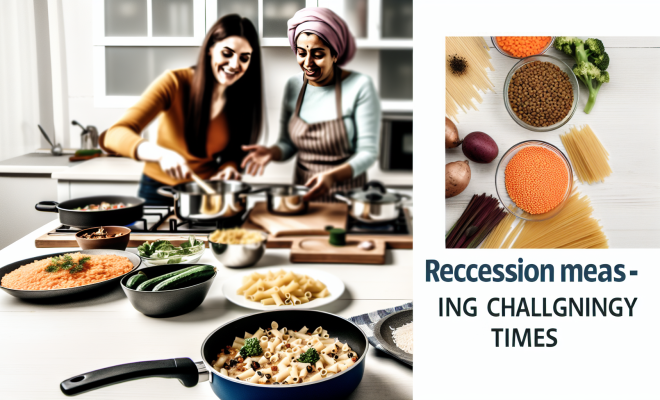
In an age where economic uncertainties loom large, the concept of budget cooking has transformed into a beacon of hope for many. Social media platforms have become a canvas for influencers to promote ‘recession meals,’ a term encapsulating the essence of home cooking on a budget. As families face rising food costs and economic pressures, these influencers are stepping up to destigmatize affordable meals, showcasing how delicious and nutritious options can be created without breaking the bank.
The Emergence of Recession Meals
Published on April 24, 2026, the discussion around ‘recession meals’ has gained momentum amid an affordability crisis affecting many households. With inflation rates fluctuating and food prices soaring, individuals and families are increasingly seeking ways to stretch their budgets while maintaining a nutritious diet. Enter social media influencers, who have seized the moment to provide inspiration and practical solutions.
Redefining Budget Cooking
The stigma surrounding budget meals often stems from societal perceptions that associate low-cost cooking with poor quality or unappealing flavors. However, influencers are challenging this narrative by emphasizing that affordable meals can be both satisfying and healthy. They share creative recipes, practical meal planning strategies, and tips for making the most of available ingredients.
Social Media Influence on Cooking Habits
Platforms like Instagram, TikTok, and YouTube have become powerful tools for food enthusiasts to connect and share ideas. Influencers are utilizing these platforms to demonstrate that cooking at home doesn’t have to be expensive or time-consuming. By showcasing ‘recession meals,’ they are promoting a shift in mindset towards budget-friendly cooking.
Engaging Content and Community Building
Many influencers have built vibrant communities around the idea of thrifty cooking. They often engage their followers by encouraging them to share their own budget meal creations. This not only fosters a sense of belonging but also provides a wealth of resources for those looking to improve their culinary skills while keeping expenses low.
Practical Tips for Budget Cooking
For those eager to embrace budget-friendly cooking, influencers offer a plethora of practical tips. Here are some strategies that have emerged:
- Meal Planning: Planning meals for the week can significantly reduce food waste and save money. By organizing meals around sales and seasonal produce, families can maximize their grocery budget.
- Bulk Cooking: Preparing large batches of meals and freezing portions for later use is a cost-effective way to ensure nutritious meals are always on hand.
- Utilizing Leftovers: Transforming leftovers into new meals not only minimizes waste but also maximizes the value of ingredients.
- Creative Substitutions: Influencers encourage the use of substitute ingredients, which can often be more affordable than their more expensive counterparts.
Real-World Examples of Affordable Recipes
As the movement grows, numerous recipes have gained traction online. Here are a few standout examples:
- Chickpea Stew: This hearty dish combines canned chickpeas, tomatoes, and spices, providing a protein-rich meal that is both filling and inexpensive.
- Vegetable Fried Rice: Utilizing leftover rice and any vegetables on hand, this dish is a quick and versatile option for budget-conscious cooks.
- Oven-Baked Pasta: A simple pasta bake using affordable ingredients like canned sauce, cheese, and seasonal vegetables can yield delicious results.
The Importance of Nutrition on a Budget
While cost is a significant factor in meal preparation, maintaining nutritional value remains crucial. Influencers often emphasize that cooking on a budget does not mean sacrificing health. In fact, many budget-friendly ingredients, such as legumes, grains, and seasonal produce, are packed with nutrients.
Highlighting Nutrient-Dense Ingredients
Some of the key ingredients that influencers recommend include:
- Legumes: Beans and lentils are excellent sources of protein and fiber, and they are typically much cheaper than meat.
- Whole Grains: Brown rice, quinoa, and oats provide essential nutrients and can be purchased in bulk at a low cost.
- Seasonal Vegetables: Buying vegetables in season not only reduces costs but also ensures freshness and flavor.
Challenges and Considerations
While the ‘recession meals’ movement is a positive step towards destigmatizing budget cooking, it is not without its challenges. Not all families have the same access to resources or kitchen facilities, which can affect their ability to prepare meals at home.
Addressing Food Insecurity
Food insecurity remains a pressing issue for many, and while influencers can provide guidance, systemic solutions are also needed. Community programs that offer cooking classes, food literacy education, and access to affordable ingredients can greatly enhance the ability of families to cook nutritious meals at home.
Building a Sustainable Future through Home Cooking
As the conversation around ‘recession meals’ continues, it is crucial to recognize the broader implications of home cooking on a budget. Not only does it empower families to take control of their food choices, but it also fosters a sense of community and sustainability.
Encouraging Local Food Systems
Influencers often highlight the importance of supporting local farmers and food producers. By sourcing ingredients from local markets or community-supported agriculture (CSA) programs, families can reduce their food expenses while also contributing to their local economy.
Conclusion: A Culinary Revolution
The rise of ‘recession meals’ represents more than just a trend; it signifies a revolution in how we approach food and cooking in times of economic hardship. By leveraging social media platforms, influencers are effectively reshaping perceptions around budget meals, encouraging creativity, and promoting community engagement.
As more families embrace these practices, the narrative surrounding affordable cooking will continue to evolve. In doing so, they not only enhance their culinary skills but also cultivate a more sustainable, nutritious, and compassionate approach to feeding themselves and their loved ones.