Building Bridges: The Vital Role of Community in Supporting International Students’ Mental Health
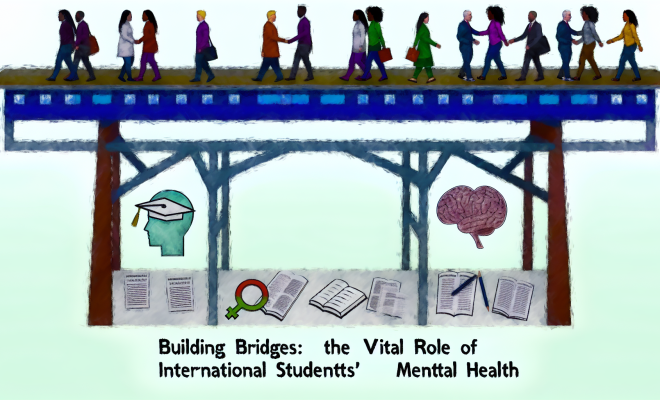
Introduction
The experiences of international students in the United States have been shaped by a myriad of challenges, particularly in recent years. As policies surrounding immigration have evolved and intensified, many students have found themselves navigating a landscape fraught with stress and uncertainty. At Northwestern University, a community-focused approach has emerged as a crucial lifeline for these individuals, providing essential support for their mental health and well-being.
The Rising Tide of Stress Among International Students
International students often face significant mental health challenges as they adapt to new environments, cultures, and academic expectations. The pressures can be particularly acute for those from immigrant backgrounds, who may experience heightened anxiety due to increased scrutiny from Immigration and Customs Enforcement (ICE) activities. These pressures have led to feelings of isolation and uncertainty, as students grapple with the implications of their immigration status and the broader political climate.
Personal Accounts of Anxiety and Isolation
Many international students at Northwestern have shared their personal stories, illustrating the profound impact these challenges have had on their mental health. For instance, one student recounted their feelings of helplessness as they witnessed friends and peers being targeted by immigration enforcement. This sense of vulnerability can create a pervasive atmosphere of fear, making it difficult for students to engage fully with their studies or social life.
Another student highlighted the isolation felt when far from family and familiar cultural contexts. The combination of academic pressures and the emotional toll of being away from home can lead to heightened levels of anxiety and depression.
Community as a Source of Strength
In response to these challenges, many international students have turned to their communities for support. The importance of social connections cannot be overstated; these relationships often serve as a buffer against the stresses of academic life and immigration-related anxiety. At Northwestern, students have found solace and strength through various community-oriented initiatives.
Peer Networks: A Lifeline for Connection
Peer networks play a vital role in fostering resilience among international students. These networks provide a platform for students to share their experiences, offer mutual support, and cultivate friendships. By creating spaces for open dialogue, these groups help to mitigate feelings of isolation and encourage students to seek help when needed.
One student described how participation in a peer support group not only provided a safe haven but also allowed them to connect with others facing similar challenges. This sense of belonging can significantly enhance a student’s ability to cope with stress and anxiety.
Community Events: Building Bonds
Community events organized by student groups, cultural organizations, and university departments have also played a significant role in supporting international students. These events often celebrate cultural diversity and provide opportunities for students to engage with one another in a relaxed and supportive environment.
From cultural festivals to workshops focused on mental health awareness, these gatherings help create a sense of community that is crucial for students navigating the complexities of life as an immigrant. Such events foster connections that can lead to lifelong friendships and a stronger support network.
University Resources and Support Services
Northwestern University has recognized the need for comprehensive support services tailored to the unique challenges faced by international students. Various resources are available, including counseling services, workshops, and cultural competency training for staff.
Counseling Services
The university’s counseling services are designed to be accessible and culturally sensitive, understanding the unique mental health needs of international students. These services often include individual counseling, group therapy, and workshops focused on coping strategies and stress management. By making mental health resources available, the university aims to reduce the stigma surrounding mental health issues and encourage students to seek help.
Workshops and Training
In addition to counseling, Northwestern offers workshops that address various aspects of mental health and well-being. These workshops often cover topics such as coping with stress, building resilience, and developing effective communication skills. By equipping students with practical tools, the university empowers them to manage their mental health more effectively.
Moreover, cultural competency training for staff and faculty ensures that the needs of international students are understood and adequately addressed in academic and social settings. This training helps create a more inclusive environment where all students feel valued and supported.
Fostering Resilience Through Community Support
The stories shared by international students at Northwestern underscore the importance of community support in fostering resilience. As they navigate the complexities of life as immigrants, these students have found strength in their connections with others. Whether through peer networks, community events, or university resources, the sense of belonging and understanding has proven essential for their mental health.
Creating Lasting Change
Moving forward, it is crucial for universities and communities to continue prioritizing the mental health of international students. As they face unprecedented challenges, innovative approaches to support must be developed and implemented. By fostering a culture of inclusivity and understanding, institutions can help mitigate the impact of external stressors on students’ mental health.
Conclusion
The experiences of international students at Northwestern University illuminate the profound impact of community support on mental health. As these students navigate the complexities of their lives, the connections they forge with others become a vital aspect of their resilience. By prioritizing community-building initiatives and providing accessible mental health resources, universities can play a crucial role in supporting their international student populations.
As we reflect on the stories of these individuals, it is clear that fostering connections, understanding, and support can help overcome the challenges posed by immigration policies and societal pressures. In doing so, we not only enhance the well-being of international students but also enrich the broader community, creating a more inclusive and supportive environment for all.