Tensions in the Middle East: The Complex Dynamics of Israel-Lebanon Talks Amid Stalled Iran-US Negotiations
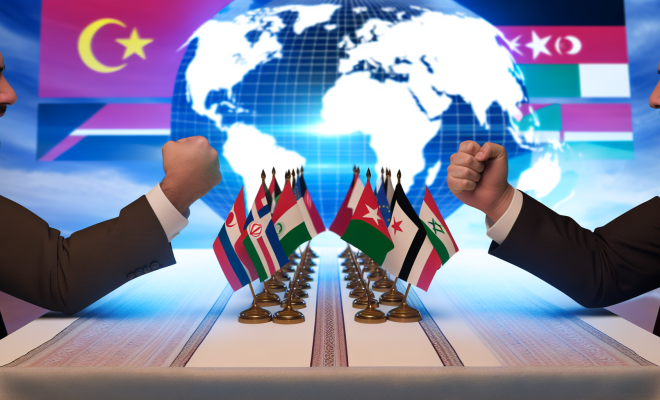
The Middle East continues to navigate a complex web of diplomatic challenges as Israel and Lebanon prepare for a second round of talks in Washington, D.C. on April 27, 2026. These discussions aim to address the ongoing regional tensions that have persisted for decades, particularly in light of the fragile political landscape surrounding both nations. Concurrently, negotiations between Iran and the United States, which were anticipated to take place in Pakistan, are currently in limbo, further complicating the geopolitical situation.
Context: The Israel-Lebanon Relationship
Israel and Lebanon share a tumultuous history characterized by conflicts, territorial disputes, and varying political ideologies. The relationship between these two neighboring countries has been fraught since the establishment of Israel in 1948 and the subsequent Arab-Israeli wars. The most notable conflict was the 2006 Lebanon War, which saw intense fighting between Israel and Hezbollah, a Lebanese militant group.
As part of their ongoing discussions, the focus will be on several critical issues, including border disputes, security arrangements, and the role of Hezbollah in Lebanon’s political landscape. The presence of Hezbollah, which is backed by Iran, adds another layer of complexity to the negotiations, as Israel views the group as a significant threat to its national security.
The Significance of the Washington Talks
The decision to hold these talks in Washington underscores the United States’ role as a key mediator in the region. U.S. involvement is seen as crucial for fostering dialogue and potentially reaching a peaceful resolution to longstanding disputes. The upcoming meetings are expected to involve high-level discussions aimed at reducing tensions and establishing a framework for future cooperation.
Key Issues on the Agenda
- Territorial Disputes: The delineation of borders between Israel and Lebanon remains a contentious issue. Disputes over maritime boundaries, particularly concerning offshore gas reserves, have exacerbated tensions.
- Security Concerns: Israel’s primary concern is the threat posed by Hezbollah. Discussions will likely address measures to ensure security and prevent escalations that could lead to military confrontations.
- Humanitarian Considerations: The ongoing humanitarian crisis in Lebanon, exacerbated by economic turmoil and the aftermath of the Syrian civil war, may also be a point of discussion.
- Regional Stability: Both nations will need to consider the broader implications of their relationship on regional stability, especially in relation to Iran’s influence in Lebanon.
The Stalled Iran-US Negotiations
Simultaneously, the diplomatic landscape surrounding Iran and the United States remains precarious. Negotiations that were expected to occur in Pakistan have faced significant setbacks, with Iran accusing the U.S. of lacking good faith in its commitments. This development comes amidst heightened tensions related to Iran’s nuclear program and its support for proxy groups in the region.
The Impact of Iranian Accusations
Iran’s allegations against the United States signal a breakdown in trust, which is essential for any successful negotiations. The Iranian government has expressed frustration over what it perceives as U.S. intransigence and a failure to uphold previous agreements. These accusations are likely to influence not only the negotiations themselves but also the broader geopolitical dynamics in the region.
The Broader Geopolitical Landscape
The current situation is reflective of broader conflicts in the Middle East, where multiple actors are vying for influence. The interplay between Israel, Lebanon, and Iran is critical, as each nation navigates its own national interests while also responding to regional pressures.
Key Players in the Region
- Israel: Focused on national security and maintaining its regional military superiority, Israel views Iran’s influence in Lebanon as a direct threat.
- Lebanon: Struggling with economic collapse and political instability, Lebanon is caught between local factions and international pressures.
- Iran: Aiming to expand its influence in the region, Iran supports various militant groups, including Hezbollah, which complicates its relationships with both Israel and the United States.
- The United States: Acting as a mediator, the U.S. seeks to stabilize the region while countering Iranian influence.
The Future of Diplomacy in the Region
The upcoming talks between Israel and Lebanon present a critical opportunity for dialogue, yet the success of these discussions hinges on the broader context of U.S.-Iran relations. The interplay between these negotiations and the stalled talks in Pakistan will shape the future of diplomacy in the Middle East.
Potential Outcomes
- Improved Relations: If successful, the Washington talks could lead to a reduction in hostilities and pave the way for more constructive engagement between Israel and Lebanon.
- Increased Tensions: Failure to reach an agreement may exacerbate existing tensions and could lead to a resurgence of military confrontations.
- Regional Cooperation: A positive outcome could encourage further cooperation among neighboring countries, potentially addressing broader regional issues.
Conclusion
The diplomatic efforts involving Israel and Lebanon, juxtaposed with the stalled Iran-U.S. negotiations, highlight the intricacies of Middle Eastern politics. As the international community watches closely, these discussions could either mark a new chapter in regional diplomacy or further entrench existing divisions. The coming days will be pivotal in determining the trajectory of peace and stability in the region.
In summary, the delicate balance of power in the Middle East is continuously shifting, influenced by historical grievances, national security concerns, and the aspirations of regional players. As Israel and Lebanon engage in critical talks in Washington, the world waits to see if these discussions will lead to tangible progress or if the cycle of conflict will continue to dominate the narrative.