The Intersection of Fast Food and Fiscal Policy: A Look at Trump’s Tax Breaks Media Event
Introduction
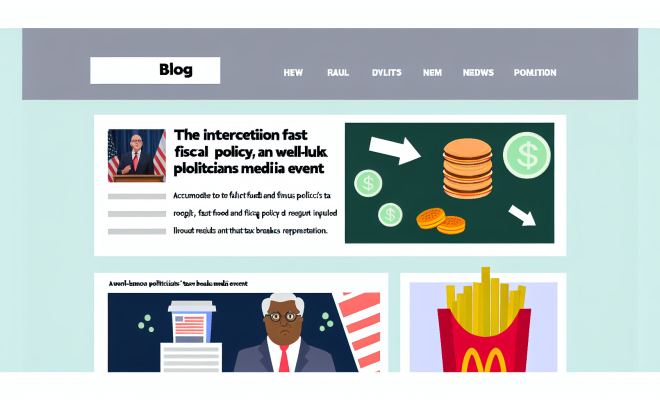
On April 21, 2026, a seemingly mundane event took an unexpected turn when President Donald Trump welcomed a DoorDash delivery of McDonald’s during a media gathering centered around his administration’s tax break initiatives. This casual moment, marked by the delivery of fast food, brought a touch of levity to serious discussions about fiscal policy and tax relief measures that the Trump administration has been advocating.
The Context of the Event
The backdrop of this event was the ongoing commitment of President Trump to provide tax breaks as part of his economic strategy. As the nation navigates complex economic challenges, the focus on tax relief has been a cornerstone of his policy agenda. Trump’s administration, known for its distinctive approach to governance and media engagement, has often blurred the lines between formal policy discussions and informal, relatable moments.
Tax Break Initiatives: A Cornerstone of Trump’s Economic Policy
Tax breaks have been a pivotal component of Trump’s economic strategy, aimed at stimulating growth and providing relief to American families and businesses. The president’s emphasis on tax relief initiatives reflects his belief in the power of fiscal policy to shape economic outcomes.
- Individual Tax Cuts: The administration has consistently sought to lower tax rates for individuals, arguing that more disposable income would spur consumer spending.
- Corporate Tax Reform: Trump has touted corporate tax cuts as a means to encourage investment in American businesses, promoting job creation and wage growth.
- Incentives for Small Businesses: Additional initiatives aimed at small businesses have included tax credits and deductions designed to foster entrepreneurship and innovation.
Media Presence and Political Engagement
In an intriguing twist, the same day as Trump’s fast-food delivery, entertainment media outlet TMZ announced plans to establish an office in Washington, D.C. This move signifies a growing trend where entertainment and politics increasingly intersect, reflecting how modern media captures public interest.
The combination of Trump’s casual engagement with McDonald’s and TMZ’s expansion into political coverage raises questions about the evolving relationship between American politics and popular culture. As politicians adopt more relatable personas, events like this can create a unique blend of informality and seriousness.
The Role of Fast Food in American Culture
Fast food has long been a staple of American culture, often emblematic of convenience, comfort, and casual dining. The presence of a McDonald’s delivery at a presidential event highlights not only the president’s personal preferences but also the broader cultural significance of fast food in the United States.
- Accessibility: Fast food represents quick and easy meal options for busy Americans, often making it a go-to choice during hectic workdays.
- Symbolism: The consumption of fast food by public figures often signifies a down-to-earth approach, appealing to everyday citizens.
- Economic Impact: The fast-food industry is a significant contributor to the U.S. economy, employing millions and reflecting broader economic trends.
Public Reactions and Media Coverage
The incident of DoorDash delivering McDonald’s during a serious policy event was met with mixed reactions from the public and media. Some viewed it as a charming, relatable moment that humanized the president, while others criticized it as a trivialization of important economic discussions.
Support for the Casual Approach
Supporters of the president praised the delivery as a refreshing break from the often staid and serious nature of political events.
- Relatability: Many constituents appreciate leaders who seem approachable and in touch with everyday life.
- Branding: The association with popular fast food brands can enhance a politician’s image among certain demographic groups.
Criticism of Trivialization
Conversely, critics argued that such moments detract from the gravity of discussions about tax policy and economic recovery.
- Seriousness of Policy: Detractors expressed concern that the casualness of the event undermines the importance of fiscal discussions.
- Distraction: Some analysts suggested that moments like these serve as distractions from more pressing political issues.
The Future of Tax Policy Under Trump
As the Trump administration continues to push for tax reforms, the intersection of policy discussions with cultural moments will likely persist. The embrace of informal engagements may be a strategic move to maintain public interest and support.
Potential Impacts of Ongoing Tax Break Initiatives
As the administration advocates for continued tax breaks, the potential impacts could be significant:
- Economic Growth: If successful, tax breaks could stimulate growth, leading to increased consumer spending and investment.
- Political Ramifications: The success or failure of these initiatives could heavily influence the political landscape heading into future elections.
- Public Perception: How these policies are communicated and perceived may affect Trump’s approval ratings and legacy.
Conclusion
The DoorDash delivery of McDonald’s during President Trump’s media event represents more than just a light-hearted moment; it reflects the ongoing blending of entertainment and politics in modern America. As tax relief initiatives remain at the forefront of Trump’s agenda, the way these policies are presented—both formally and informally—will play a crucial role in shaping public perception and political outcomes.
In an increasingly complex political landscape, the ability of leaders to connect with citizens through relatable moments may become as important as the policies they advocate. As we move forward, the significance of casual interactions like this one will continue to be weighed against the backdrop of serious policy discussions, offering a unique lens through which to view the evolving nature of American politics.