AI vs. Human Therapists: Evolving Mental Health Care
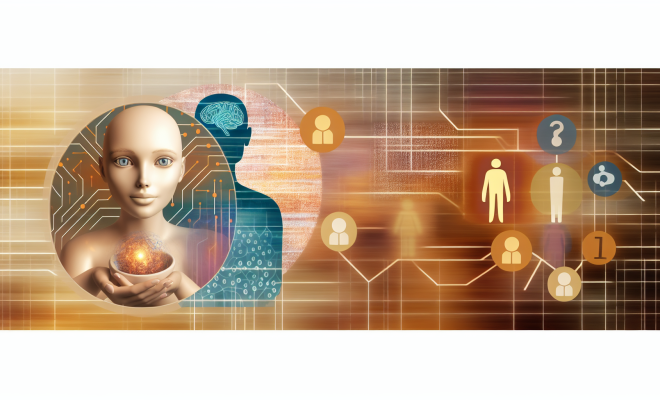
The landscape of mental health care is rapidly evolving, as technology introduces new tools and resources for individuals seeking support. Among these innovations are artificial intelligence (AI) driven mental health applications and chatbots that promise instant accessibility and convenience. However, the question remains: can AI effectively replace traditional human therapists, or do we still need the irreplaceable human touch in mental health care?
The Rise of AI in Mental Health
AI-driven mental health tools are gaining traction for their ability to provide 24/7 support. These applications are designed to assist users with immediate coping strategies, offer skill-building exercises, and serve as a first point of contact for those in distress. For many individuals, AI chatbots present a non-judgmental space, allowing them to express their thoughts and feelings without the fear of stigma often associated with traditional therapy.
Accessibility and Convenience
One of the most significant advantages of AI mental health tools is their accessibility. Unlike traditional therapy, which may require scheduling appointments, traveling to a clinic, and possibly facing long wait times, AI solutions are available at any hour of the day. This makes them particularly appealing to those who have busy schedules or live in areas with limited access to mental health professionals.
- Instant Availability: Users can receive support whenever they need it.
- Cost-Effective: Many AI tools offer free or low-cost services, making mental health care more affordable.
- Stigma Reduction: Individuals can seek help anonymously, reducing the fear of being judged.
The Limitations of AI
Despite the numerous benefits of AI mental health tools, there are significant limitations that must be acknowledged. While AI can assist with immediate coping strategies, it lacks the emotional intelligence and nuanced understanding that trained human therapists provide. This can be especially critical during moments of crisis or when dealing with complex emotional issues.
Complex Emotional Landscapes
Human emotions are intricate and multifaceted. Navigating these emotional landscapes often requires a deep understanding of context, history, and individual experiences. A trained therapist can offer insights and empathy that AI simply cannot replicate. Here are some areas where human therapists excel:
- Personalized Treatment: Therapists tailor their approaches based on the individual’s unique experiences and circumstances.
- Emotional Connection: The therapeutic relationship can foster trust and safety, essential for effective healing.
- Complex Problem-Solving: Human therapists can identify underlying issues through conversation, facilitating deeper understanding and growth.
AI as a Supplement to Traditional Therapy
Rather than viewing AI-driven mental health tools as a replacement for human therapists, it may be more beneficial to consider them as supplements to traditional care. For individuals experiencing mild to moderate symptoms, AI chatbots can provide valuable support and resources to help them cope between therapy sessions.
Additionally, AI tools can serve as a bridge for those who are hesitant to seek help from a therapist. For example, individuals might use an AI application to work through their feelings before deciding to pursue more intensive therapy. This combination can lead to a more comprehensive approach to mental health care.
Safety During Crises
In moments of crisis, the importance of having a trained professional cannot be overstated. AI lacks the capacity to respond to emergencies effectively. In situations where a user expresses suicidal thoughts or engages in self-harm, human therapists are equipped to provide immediate intervention and support. The ability to assess risk and implement safety plans is a critical component of mental health care that AI cannot fulfill.
Conclusion: Finding Balance in Mental Health Care
As mental health care continues to evolve with the introduction of AI tools, it is essential to recognize the strengths and weaknesses of both AI and human therapists. While AI can offer immediate support and enhance accessibility, it cannot replace the nuanced understanding, emotional intelligence, and safety net provided by trained professionals.
Ultimately, the future of mental health care may lie in a blended approach that harnesses the strengths of both AI and human therapists. By combining the immediate support of AI tools with the comprehensive care offered by professionals, individuals can receive a more holistic approach to their mental health needs.