Protein Quality Over Quantity: A Dietitian’s Guide to Better Health
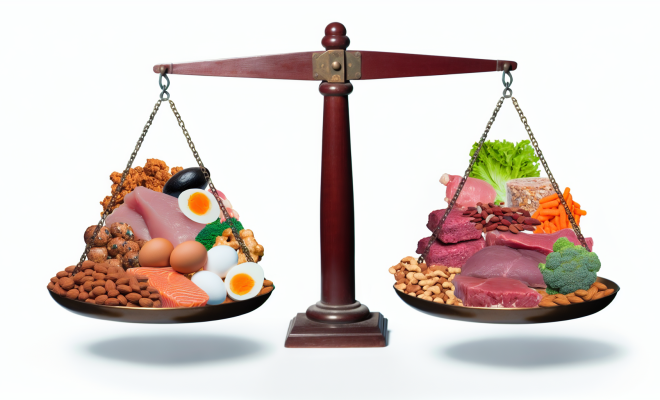
In recent years, protein-centric diets have gained immense popularity, with many individuals striving to meet their daily protein needs. However, according to Doron Kuperstein, a registered dietitian, the real issue is not merely the quantity of protein consumed but rather its quality and source.
The Protein Paradigm
Most people meet the recommended protein intake of 0.8 grams per kilogram of body weight, which translates to approximately 10-35% of daily calories. This guideline serves as a baseline for maintaining optimal health, but it doesn’t address the diverse nutritional benefits that different protein sources can provide.
The Misleading Nature of “High-Protein” Products
Consumers are often drawn to products marketed as “rich in protein.” These items, however, may not be as healthy as they appear. Many contain high levels of added sugars, saturated fats, and empty calories, which can undermine the health benefits one might expect from a high-protein diet. For instance, protein bars and shakes might offer a quick protein fix but can also be loaded with unhealthy additives that contribute to weight gain and other health issues.
Prioritizing Plant-Based Proteins
Experts like Kuperstein advocate for a shift in focus from merely consuming protein to choosing the right type of protein. Plant-based sources, such as lentils, beans, soy, nuts, and peanuts, are not only rich in protein but also offer a wider range of essential nutrients, including fiber, vitamins, and minerals.
Benefits of Plant-Based Proteins
- Higher Nutritional Value: Plant proteins come packed with dietary fiber, which aids digestion and contributes to a feeling of fullness.
- Heart Health: Many plant-based protein sources are low in saturated fats, making them a heart-healthy choice.
- Environmental Impact: Choosing plant-based proteins can decrease your carbon footprint compared to animal-based sources.
- Diverse Cooking Options: A variety of plant-based proteins can be incorporated into meals, enhancing flavor and nutrition.
Making Small Swaps for Big Changes
Incorporating more plant-based proteins into your diet doesn’t have to be overwhelming. Kuperstein suggests making simple swaps, such as replacing processed snacks with legumes or incorporating beans into salads and soups. These small adjustments can lead to significant improvements in overall health.
Examples of Easy Swaps
- Replace high-calorie protein bars with a handful of almonds or a serving of hummus with veggies.
- Use black beans or chickpeas in place of meat in tacos or salads.
- Opt for tofu or tempeh instead of chicken in stir-fries.
Conclusion: Quality Matters
As the dialogue around protein continues to evolve, it is crucial to emphasize that the quality of protein sources significantly impacts health outcomes. While the quantity of protein consumed is important, prioritizing nutrient-rich, plant-based sources can lead to better overall health and well-being.
By being more mindful about the sources of protein in our diets and choosing options that offer the best nutritional benefits, we can not only meet our protein needs but also enhance our overall health in the long run.