Toyota and Isuzu Unite to Revolutionize Light-Duty Trucks with Hydrogen Technology
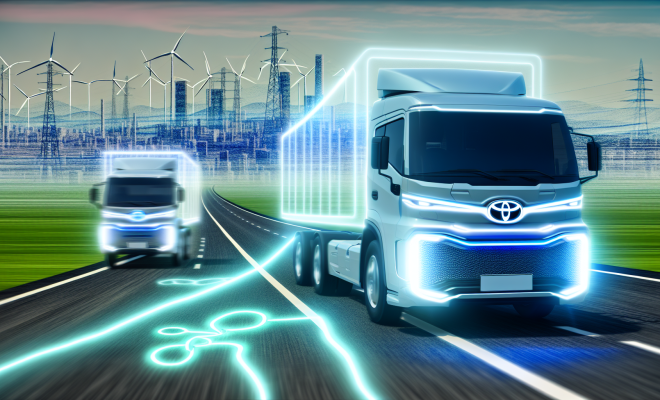
In an ambitious move towards sustainable transportation, Toyota and Isuzu have announced their collaboration to develop Japan’s first mass-produced light-duty fuel-cell truck. This groundbreaking initiative, based on Isuzu’s ELF EV platform, is set to pave the way for greener trucking solutions in the light-duty segment. Scheduled for release in fiscal 2027, this hydrogen-powered vehicle represents a significant step in the automotive industry’s transition towards eco-friendly technologies.
The Rise of Hydrogen in Transportation
Hydrogen fuel cell technology has emerged as a promising alternative to traditional fossil fuels, particularly in sectors where electrification has faced challenges. The collaboration between Toyota and Isuzu highlights a growing recognition of hydrogen’s potential to reduce greenhouse gas emissions in the trucking industry. With a focus on light-duty applications, the new truck aims to cater to businesses reliant on efficient and sustainable logistics.
Key Features of the New Hydrogen Fuel-Cell Truck
While specific details about the truck’s design and capabilities are still under wraps, the integration of hydrogen fuel cells into Isuzu’s ELF EV platform is expected to yield several advantages:
- Zero Emissions: As a hydrogen-powered vehicle, it will produce only water vapor as a byproduct, contributing to cleaner air and a reduction in the carbon footprint.
- Extended Range: Hydrogen fuel cells can offer a longer range compared to battery-electric vehicles, making them ideal for commercial applications where long-distance travel is required.
- Quick Refueling: Refueling a hydrogen vehicle typically takes much less time than charging a battery-electric vehicle, enhancing operational efficiency for businesses.
The Collaboration Between Industry Leaders
The partnership between Toyota and Isuzu is a strategic alignment of two automotive giants with a shared vision for the future of sustainable transportation. Toyota has long been a pioneer in hybrid and hydrogen technologies, with its Toyota Mirai serving as a flagship model in the hydrogen fuel cell market. Isuzu, known for its expertise in commercial vehicles, brings valuable experience in the light-duty truck segment.
This collaboration not only leverages Toyota’s advancements in hydrogen technology but also Isuzu’s robust platform for light-duty trucks, creating a product that aims to meet the demands of modern-day logistics while adhering to stricter environmental regulations.
Market Implications and Future Prospects
The introduction of a hydrogen fuel-cell light-duty truck could have far-reaching implications for the trucking industry in Japan and beyond. As sustainability becomes a key focus for governments and businesses, the demand for greener alternatives is expected to rise. This initiative aligns with Japan’s broader goals of achieving carbon neutrality by 2050 and reducing reliance on fossil fuels.
Furthermore, this collaboration could serve as a catalyst for further innovations in the hydrogen sector, encouraging other manufacturers to explore similar technologies. As infrastructure for hydrogen refueling becomes more widespread, the viability of hydrogen-powered vehicles is likely to increase significantly.
Challenges Ahead
Despite the optimistic outlook, the path to widespread adoption of hydrogen fuel-cell technology is not without its challenges. Key hurdles include:
- Infrastructure Development: The availability of hydrogen refueling stations is currently limited, which poses a challenge for potential users of hydrogen vehicles.
- Cost of Production: The production of hydrogen fuel cells and the vehicles themselves can be expensive, which may affect market acceptance.
- Public Perception: There may be skepticism about the safety and efficiency of hydrogen vehicles compared to traditional electric or diesel counterparts.
Looking Ahead to 2027
The collaboration between Toyota and Isuzu is poised to reshape the landscape of light-duty transportation by 2027. As preparations for the launch of this hydrogen fuel-cell truck progress, stakeholders in the automotive industry, transportation sector, and environmental advocacy groups will be closely monitoring developments.
By combining expertise in fuel cell technology and commercial vehicle design, Toyota and Isuzu aim to set a benchmark for sustainability in the trucking industry. This initiative not only promises to deliver an innovative vehicle but also signifies a commitment to a greener future in transportation.
Conclusion
As Toyota and Isuzu work towards the launch of their hydrogen-powered light-duty truck, they stand at the forefront of a transformative era in the automotive industry. By embracing hydrogen fuel cell technology, these companies are not just responding to market demands but are actively shaping a sustainable future for commercial transportation. With the anticipated release in 2027, the collaboration marks a significant milestone in the journey towards zero-emission vehicles and could inspire a new wave of innovations in the years to come.