European Cities Pay Tourists to Be Sustainable in 2024
Introduction
As overtourism becomes a pressing issue in many popular European destinations, cities are stepping up to not only combat this challenge but also to promote sustainable tourism practices. Several European locations are launching innovative incentive programs that not only encourage visitors to explore responsibly but also attract long-term residents. From eco-friendly initiatives in Copenhagen to cultural experiences in Florence, these programs are paving the way for a new era of travel.
Copenhagen’s CopenPay: A Model for Sustainable Tourism
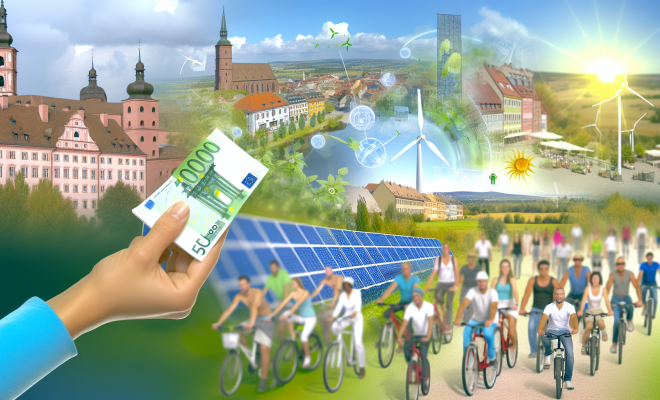
Starting in 2024, Copenhagen will introduce an exciting initiative known as CopenPay. This program aims to reward residents and tourists who engage in eco-friendly actions. Participants can earn points for activities such as biking to work, participating in local clean-up events, or supporting sustainable businesses. These points can then be redeemed for a variety of cultural experiences, including museum tickets, concert entries, and even culinary workshops.
Encouraging Eco-Friendly Actions
The CopenPay initiative is designed to inspire a shift towards a more sustainable lifestyle among both locals and visitors. By promoting activities that reduce carbon footprints and foster community engagement, Copenhagen hopes to set a precedent that can be replicated in other cities facing similar challenges.
Following Suit: Bremen, Berlin, and Helsinki
Inspired by Copenhagen’s initiative, cities like Bremen, Berlin, and Helsinki are exploring their own incentive programs aimed at encouraging regenerative tourism. These cities are focusing on creating a positive impact on the environment while simultaneously providing benefits to those who prioritize sustainability.
Regenerative Tourism Initiatives
- Bremen: Known for its rich history and culture, Bremen is considering programs that reward visitors for participating in local conservation efforts.
- Berlin: As a vibrant metropolis, Berlin aims to create incentives around reducing waste and promoting public transport.
- Helsinki: Finland’s capital is contemplating initiatives that will enhance its green spaces and promote eco-friendly tourism.
These cities are working towards creating an ecosystem where both tourism and sustainability can thrive, allowing travelers to enjoy unique experiences while contributing positively to the local environment.
Florence’s Michelangelo Trail: A New Approach to Exploration
In response to the challenges posed by overcrowding at popular tourist attractions, Florence is set to launch the Michelangelo Trail in May. This trail invites visitors to explore the city at a more leisurely pace, guiding them through lesser-known areas while still highlighting the artistic treasures of the city.
Aiming for Relaxed Exploration
The Michelangelo Trail is designed not only to reduce congestion at Florence’s iconic sites but also to encourage tourists to appreciate the city’s rich history and culture more deeply. By spreading tourism across various neighborhoods, Florence hopes to create a more enjoyable experience for both visitors and residents alike.
Why Sustainable Tourism Matters
The rise of sustainable tourism initiatives in Europe highlights the growing awareness of the impact of overtourism on local communities and environments. Overcrowding can lead to deterioration of historical sites, increased waste, and strain on local resources. By implementing programs that incentivize sustainable practices, European cities are taking proactive steps to ensure a sustainable future for tourism.
The Benefits of Regenerative Tourism
- Community Engagement: Encouraging visitors to participate in local events fosters a sense of community and connection.
- Environmental Preservation: Programs promoting eco-friendly practices help protect natural and historical sites.
- Enhanced Visitor Experience: Exploring off-the-beaten-path attractions offers a richer, more authentic travel experience.
Conclusion
As European cities continue to innovate in response to the challenges of overtourism, programs like CopenPay, the Michelangelo Trail, and similar initiatives in Bremen, Berlin, and Helsinki are paving the way for a new model of travel. By promoting sustainable practices and rewarding responsible tourism, these cities are not only enhancing the visitor experience but also fostering a harmonious relationship between travelers and the communities they visit. As a result, Europe is leading the charge towards a more sustainable future in tourism, setting an example for destinations around the world.