Witness a Celestial Marvel: Comet C/2025 R3 (Pan-STARRS) Returns After 170,000 Years
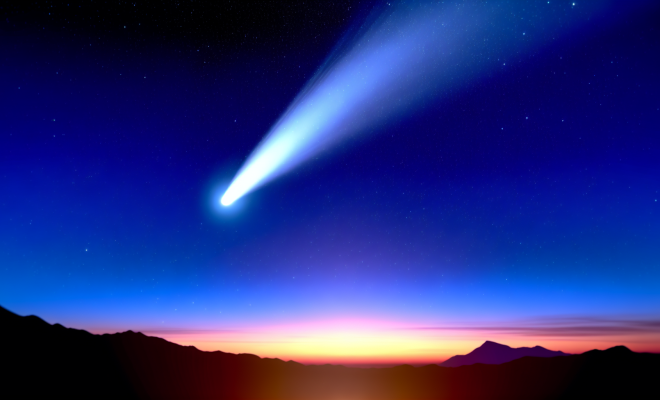
In a rare astronomical event, skywatchers have the opportunity to witness Comet C/2025 R3 (Pan-STARRS), a celestial traveler that has not been seen for an astonishing 170,000 years. Discovered in September 2025 by the Pan-STARRS survey based in Hawaii, this comet is set to make its return to the inner solar system, offering a spectacular show for those eager to gaze at the night sky.
The Journey of Comet C/2025 R3 (Pan-STARRS)
Comets are often referred to as the “icebergs of space”, composed of dust, rock, and frozen gases. They travel vast distances across the solar system, and their orbits can take thousands—if not millions—of years to complete. Comet C/2025 R3 (Pan-STARRS) is no exception. After its lengthy journey, this comet is expected to reach its perihelion on April 19, 2025. This is the point in its orbit where it comes closest to the Sun, and it is at this moment that the heat from the Sun will cause the comet to release gas and dust, resulting in peak brightness and the formation of its iconic tail.
What to Expect When Viewing
As the comet approaches perihelion, it will become increasingly visible to observers on Earth. The best time for Northern Hemisphere residents to catch a glimpse of this celestial phenomenon is between April 10 and April 20, 2025. During this period, the comet will be located low in the eastern sky just before sunrise, which is the ideal time to spot it.
For those looking to maximize their viewing experience, it is advisable to seek out dark, pollution-free locations. Light pollution can significantly hinder visibility, so finding a spot away from city lights will enhance the chances of seeing the comet in all its glory. Make sure to bring along binoculars or a telescope for a closer look, although the comet should be visible to the naked eye as well.
Challenges in Visibility
While the comet is expected to be a dazzling sight, there may be some challenges for viewers. The comet will make its closest approach to Earth on April 27, 2025. This proximity to our planet, while exciting, could also lead to visibility issues in some areas due to atmospheric interference. Observers in regions with significant light pollution or poor weather conditions may find it difficult to see the comet clearly.
Why This Comet is Unique
Comet C/2025 R3 (Pan-STARRS) is a remarkable example of a long-period comet, one that takes tens of thousands of years to complete an orbit around the Sun. Its return after 170,000 years makes it a subject of great interest among astronomers and enthusiasts alike. This comet’s extended journey through the solar system has allowed it to gather a wealth of information about the conditions of the early solar system, making it a valuable target for scientific study.
Moreover, the fact that it has remained intact throughout its journey adds to the excitement of its return. Many comets disintegrate as they approach the Sun, but C/2025 R3 (Pan-STARRS) is expected to survive this close encounter, allowing viewers to see it in its full glory.
Preparing for the Viewing Experience
To prepare for viewing Comet C/2025 R3 (Pan-STARRS), consider the following tips:
- Check the Weather: Clear skies will be essential for visibility, so keep an eye on the weather forecast leading up to your viewing date.
- Find a Dark Location: Opt for a site away from city lights and other sources of light pollution.
- Use Binoculars or a Telescope: While the comet may be visible to the naked eye, binoculars or a telescope can enhance the experience.
- Plan Ahead: Know the specific dates and times when the comet will be most visible, and prepare to be at your viewing location early.
- Share the Experience: Invite friends or family to join you in witnessing this rare event; sharing the experience can make it even more memorable.
The Significance of Comet Observation
Observing comets like C/2025 R3 (Pan-STARRS) is not just a thrilling experience; it also plays a crucial role in our understanding of the universe. Comets are considered time capsules, containing primitive materials from the early solar system. By studying their composition and behavior, scientists can gain insights into the origins of our solar system and the processes that shaped it.
As humanity continues to explore the cosmos, events like the return of Comet C/2025 R3 (Pan-STARRS) remind us of our connection to the universe and the beauty of celestial phenomena. Whether you are a seasoned astronomer or a casual stargazer, the opportunity to witness this comet is one not to be missed.
Mark your calendars for April 2025, and prepare for a celestial event that will inspire awe and wonder among all who gaze upon it.