Transforming Education: The Impact of Inclusive Practices on Students with Disabilities
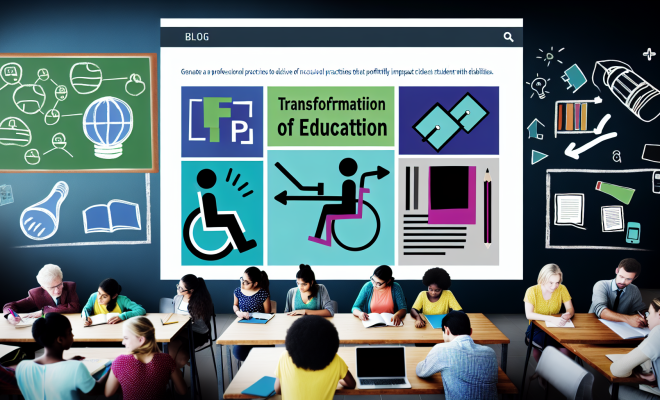
In an era where educational equity is paramount, a recent study by Education Reimagined has shed light on the significant academic improvements that can be achieved when schools prioritize the needs of students with disabilities. The findings highlight schools in New York, Minnesota, and Wisconsin that have successfully adapted their operations to center around these students, resulting in impressive outcomes.
Inclusion as a Key to Academic Success
For many years, students with disabilities have faced numerous challenges within traditional educational frameworks. However, the study suggests that by reshaping educational environments to better serve these students, schools can foster not only their academic achievement but also their overall well-being.
Case Studies from Innovative Schools
The Norris School District in Wisconsin exemplifies the positive effects of such an inclusive approach. According to the study, the district reported a remarkable increase in academic performance among students with Individualized Education Programs (IEPs). Specifically, reading scores for these students rose by 8 percentage points and math scores improved by 4 points per trimester. This notable advancement illustrates how tailored educational strategies can directly impact learning outcomes.
Similarly, LaFayette Big Picture School, also located in Wisconsin, has made significant strides in promoting student success. The school reported graduation rates for students with disabilities soaring to between 95% and 100%. Such statistics serve as powerful evidence that schools focused on inclusivity and personalized learning can create environments where all students thrive, regardless of their challenges.
Understanding the Framework of Success
What underlies these impressive results? The study emphasizes several critical factors that contribute to the success of schools that adopt a student-centered approach:
- Individualized Learning Plans: Tailoring education to meet the unique needs of each student allows for more personalized and effective teaching methods.
- Collaborative Teaching Practices: Encouraging collaboration among educators, special education professionals, and support staff fosters a more holistic approach to student learning.
- Inclusive School Culture: Creating an environment that values diversity and promotes inclusivity helps students feel accepted and supported.
- Engaging Curriculum: Implementing a curriculum that is both challenging and accessible ensures that all students remain engaged and motivated.
Broader Implications for Educational Policy
The findings of the Education Reimagined study extend beyond individual schools; they hold significant implications for educational policy at large. As policymakers consider reforms aimed at improving educational outcomes, they should take note of the successes demonstrated by schools that prioritize inclusivity. Investing in resources and training for teachers to better support students with disabilities could lead to widespread improvements across the educational landscape.
Challenges on the Road to Inclusion
Despite the promising results, the journey toward inclusive education is not without its challenges. Schools must navigate issues such as funding limitations, a shortage of trained educators, and resistance to change from traditional educational models. Overcoming these hurdles requires concerted efforts from all stakeholders—including educators, administrators, parents, and policymakers.
Strategies for Implementation
To foster inclusive educational environments, schools can adopt several strategies:
- Professional Development: Providing ongoing training for teachers and staff can enhance their ability to support diverse learners effectively.
- Parent and Community Engagement: Involving parents in the educational process and engaging the community can create a supportive network for students with disabilities.
- Utilizing Technology: Integrating assistive technology can help bridge the gap for students with disabilities, enabling them to engage with the curriculum more effectively.
Conclusion: A Call to Action
The findings from the Education Reimagined study serve as a clarion call for educators and policymakers alike to reevaluate how schools approach the education of students with disabilities. By embracing inclusive practices and prioritizing the needs of all students, we can create educational environments that not only foster academic success but also promote a sense of belonging and acceptance. The experiences of Norris School District and LaFayette Big Picture School illustrate that when schools reshape their operations to better serve students with disabilities, the benefits extend far beyond the classroom, paving the way for a more equitable future in education.