The Tech Edvocate

Top Menu

  • Advertisement
  • Apps
  • Home Page
  • Home Page Five (No Sidebar)
  • Home Page Four
  • Home Page Three
  • Home Page Two
  • Home Tech2
  • Icons [No Sidebar]
  • Left Sidbear Page
  • Lynch Educational Consulting
  • My Account
  • My Speaking Page
  • Newsletter Sign Up Confirmation
  • Newsletter Unsubscription
  • Our Brands
  • Page Example
  • Privacy Policy
  • Protected Content
  • Register
  • Request a Product Review
  • Shop
  • Shortcodes Examples
  • Signup
  • Start Here
    • Governance
    • Careers
    • Contact Us
  • Terms and Conditions
  • The Edvocate
  • The Tech Edvocate Product Guide
  • Topics
  • Write For Us
  • Advertise

Main Menu

  • Start Here
    • Our Brands
    • Governance
      • Lynch Educational Consulting, LLC.
      • Dr. Lynch’s Personal Website
      • Careers
    • Write For Us
    • The Tech Edvocate Product Guide
    • Contact Us
    • Books
    • Edupedia
    • Post a Job
    • The Edvocate Podcast
    • Terms and Conditions
    • Privacy Policy
  • Topics
    • Assistive Technology
    • Child Development Tech
    • Early Childhood & K-12 EdTech
    • EdTech Futures
    • EdTech News
    • EdTech Policy & Reform
    • EdTech Startups & Businesses
    • Higher Education EdTech
    • Online Learning & eLearning
    • Parent & Family Tech
    • Personalized Learning
    • Product Reviews
  • Advertise
  • Tech Edvocate Awards
  • The Edvocate
  • Pedagogue
  • School Ratings

logo

The Tech Edvocate

  • Start Here
    • Our Brands
    • Governance
      • Lynch Educational Consulting, LLC.
      • Dr. Lynch’s Personal Website
        • My Speaking Page
      • Careers
    • Write For Us
    • The Tech Edvocate Product Guide
    • Contact Us
    • Books
    • Edupedia
    • Post a Job
    • The Edvocate Podcast
    • Terms and Conditions
    • Privacy Policy
  • Topics
    • Assistive Technology
    • Child Development Tech
    • Early Childhood & K-12 EdTech
    • EdTech Futures
    • EdTech News
    • EdTech Policy & Reform
    • EdTech Startups & Businesses
    • Higher Education EdTech
    • Online Learning & eLearning
    • Parent & Family Tech
    • Personalized Learning
    • Product Reviews
  • Advertise
  • Tech Edvocate Awards
  • The Edvocate
  • Pedagogue
  • School Ratings
  • Seniors Lose More Money to Investment Scams Than Any Other Fraud

  • Gemini Can Now Connect to Google Wallet to Offer Spending Insights, Budgeting Tips

  • Dramatic: Financial Giants Are Quietly Preparing for Mass AI Job Replacement

  • Malicious Cyberattack on Curaçao Gaming Regulator: Your Data Exposed?

  • Staggering: Lawyers Are Being Struck Off For This AI Blunder – What You Must Know Now

  • Dramatic Cuts: How The GOP Tuition Deflation Act Is Reshaping College Costs

  • This Professor’s Alarming AI Cheating Warning Reveals a Deeper Crisis in Education

  • This One Reckless Mistake Caused Zeabur’s Devastating Collapse

  • Terrifying: AI Cybercrime Just Got a Whole Lot Worse, Here’s How

  • The cost of your new car loan has hit a record high – Newswav

Tech News
Home›Tech News›FCC Targets Foreign Routers in 2026 Cybersecurity Push

FCC Targets Foreign Routers in 2026 Cybersecurity Push
By Matthew Lynch
April 13, 2026
0
Spread the love

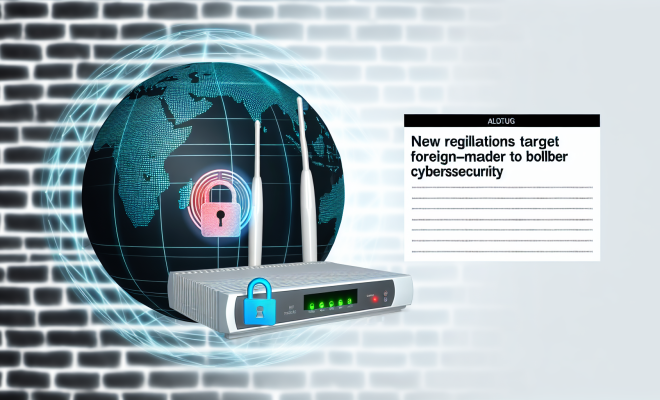
In a significant move aimed at enhancing national security and mitigating cybersecurity risks, the Federal Communications Commission (FCC) has updated its Covered List to include all consumer-grade routers manufactured outside of the United States. This update, which took effect on March 23, 2026, follows a pivotal White House interagency National Security Determination made on March 20. The decision reflects growing concerns over supply chain vulnerabilities and the potential threats foreign-manufactured technology poses to the U.S. economy, critical infrastructure, and national defense.

Understanding the FCC’s Covered List

The FCC’s Covered List is a regulatory measure that identifies equipment and services that pose significant risks to national security. By adding foreign-made routers to this list, the FCC is responding to heightened scrutiny regarding the integrity of telecommunications equipment used in the U.S. market.

Implications for New Router Models

Under the new regulations, the approval of new consumer-grade router models produced by foreign manufacturers will be effectively halted unless they receive conditional approval from either the Department of Defense (DoD) or the Department of Homeland Security (DHS). This requirement is designed to ensure that any new technology entering the U.S. market meets stringent security standards, thereby safeguarding American consumers and infrastructure from potential cyber threats.

Addressing Supply Chain Vulnerabilities

The decision to include foreign-made routers in the Covered List stems from a growing recognition of the vulnerabilities inherent in global supply chains. As recent events have shown, reliance on foreign technology can expose the U.S. to a myriad of risks, including espionage, data breaches, and other cyberattacks that could compromise both personal and national security.

  • Espionage Risks: Foreign-made routers may contain backdoors or vulnerabilities that can be exploited for surveillance or data theft.
  • Data Breaches: Compromised routers can serve as entry points for cybercriminals, leading to large-scale data breaches affecting individuals and organizations.
  • Critical Infrastructure Threats: Cyberattacks on routers connected to critical infrastructure can disrupt essential services, ranging from utilities to transportation systems.

The FCC’s action is a proactive measure aimed at reducing these risks and ensuring that all technology used within the U.S. meets rigorous safety and security benchmarks.

Temporary Waiver for Existing Models

While the new regulations primarily impact new models, existing foreign-made routers will not be immediately affected. The FCC has issued a temporary waiver allowing these devices to continue receiving necessary software updates. This measure is crucial to prevent immediate disruptions for consumers who rely on these devices for internet connectivity and other essential services.

The temporary waiver is set to provide a buffer period during which existing routers can maintain functionality while the security landscape evolves. However, users are encouraged to remain vigilant about the security of their devices and keep abreast of any updates regarding new regulatory developments.

The Broader Context of U.S. Cybersecurity Policy

The FCC’s decision aligns with a broader trend in U.S. cybersecurity policy that seeks to fortify national defenses against emerging threats. In recent years, the federal government has taken a series of steps to enhance the resilience of the nation’s cybersecurity framework, particularly in light of increasing incidents of cyberattacks on both public and private entities.

  • Increased Funding for Cybersecurity Initiatives: The U.S. government has allocated substantial resources toward improving cybersecurity infrastructure and response capabilities.
  • Public-Private Partnerships: Collaboration between the government and private sector organizations has been emphasized to share intelligence and resources to combat cyber threats more effectively.
  • Legislative Measures: New laws and regulations have been introduced to bolster the cybersecurity posture of critical sectors, including healthcare, finance, and energy.

These efforts underscore a national commitment to safeguarding the digital landscape and protecting citizens from the growing threat of cybercrime.

Conclusion

The FCC’s inclusion of foreign-made routers in the Covered List marks a crucial step in the ongoing battle against cybersecurity threats. By imposing stricter regulations on new models and providing a temporary waiver for existing devices, the FCC is working to ensure that American consumers and critical infrastructure are shielded from potential vulnerabilities. As the cybersecurity landscape continues to evolve, it will be essential for all stakeholders—government agencies, manufacturers, and consumers—to remain vigilant and proactive in addressing these challenges.

Previous Article

MITRE’s Fight Fraud Framework: Combatting Financial Crime

Next Article

AI Security Gaps in Finance: Netskope Labs ...

Matthew Lynch

Related articles More from author

  • Tech News

    How to fix Netflix not working

    July 17, 2026
    By Matthew Lynch
  • Tech News

    Technology’s Dual Impact: Benefits, Risks & Modern Society

    July 4, 2026
    By Matthew Lynch
  • Tech News

    How to troubleshoot Dropbox upload issues Android

    August 4, 2026
    By Matthew Lynch
  • Tech News

    Unveiling the Coordinated Effort as the US Dollar Weakens Against Japanese Yen

    August 3, 2026
    By Matthew Lynch
  • Tech News

    Master Skype Translator: Your Guide to Real-Time Communication

    July 21, 2026
    By Matthew Lynch
  • Tech News

    How to handle Airbnb bad reviews

    September 1, 2026
    By Matthew Lynch

Search

Login & Registration

  • Log in
  • Entries feed
  • Comments feed
  • WordPress.org

Newsletter

Signup for The Tech Edvocate Newsletter and have the latest in EdTech news and opinion delivered to your email address!

About Us

Since technology is not going anywhere and does more good than harm, adapting is the best course of action. That is where The Tech Edvocate comes in. We plan to cover the PreK-12 and Higher Education EdTech sectors and provide our readers with the latest news and opinion on the subject. From time to time, I will invite other voices to weigh in on important issues in EdTech. We hope to provide a well-rounded, multi-faceted look at the past, present, the future of EdTech in the US and internationally.

We started this journey back in June 2016, and we plan to continue it for many more years to come. I hope that you will join us in this discussion of the past, present and future of EdTech and lend your own insight to the issues that are discussed.

Newsletter

Signup for The Tech Edvocate Newsletter and have the latest in EdTech news and opinion delivered to your email address!

Contact Us

The Tech Edvocate
910 Goddin Street
Richmond, VA 23231
(601) 630-5238
[email protected]

Copyright © 2026 Matthew Lynch. All rights reserved.