Navigating the Future of Auto Claims: The Impact of Advanced Vehicle Technology
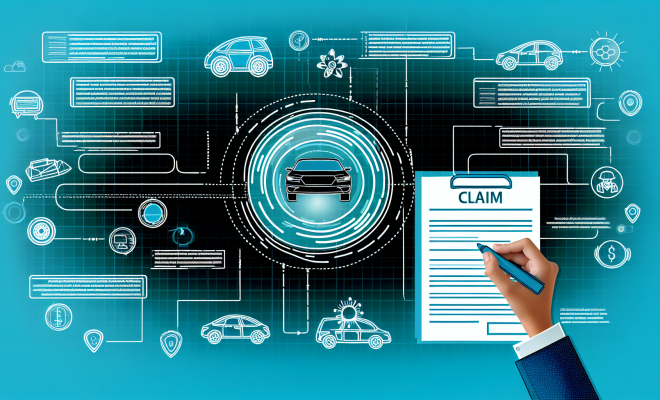
The automotive landscape is undergoing a significant transformation, driven by rapid advancements in technology. With the integration of sophisticated systems and embedded sensors in modern vehicles, the complexity of auto claims and repair processes is increasing. This evolution is not only reshaping how insurance companies assess vehicle damage but also fundamentally changing the repair industry’s approach to restoration.
The Rise of Advanced Vehicle Technology
Modern vehicles are now equipped with an array of advanced technologies designed to enhance safety and improve driver experience. Features such as advanced driver-assistance systems (ADAS), collision avoidance systems, and smart sensors provide a wealth of data about vehicle performance and safety. While these innovations offer numerous benefits to consumers, they also present challenges for insurance providers and repair shops.
Embedded Sensors and Their Implications
One of the key components contributing to the complexity of auto claims is the proliferation of embedded sensors within vehicles. These sensors monitor various systems, from tire pressure to braking performance, and are integral to the functionality of modern safety features. When an accident occurs, the data collected by these sensors can be invaluable for assessing the extent of damage and determining liability.
However, the reliance on this technology also means that repair shops must be equipped to interpret and utilize sensor data effectively. Many traditional repair facilities may lack the necessary tools and training to diagnose issues that stem from complex electronic systems. As a result, the repair process can become significantly more complicated, potentially leading to longer repair times and increased costs for consumers.
Impact on Insurance Claims
The complexity introduced by advanced vehicle technologies is also affecting the way insurance claims are handled. Insurers are now faced with the challenge of accurately assessing damages that may not be immediately visible. For instance, a vehicle that has been involved in a collision may have hidden damage to its sensors or electronic systems that could affect its overall performance.
To address these challenges, insurance companies are investing in new technologies and methodologies for damage assessment. Many are adopting advanced estimating software that incorporates data from vehicle sensors, allowing for a more accurate evaluation of repair costs. This shift not only streamlines the claims process but also helps ensure that repairs are performed to the highest standards.
Challenges for Adjusters
Insurance adjusters are also navigating a more complex landscape when it comes to evaluating claims. The traditional methods of estimating vehicle damage may no longer suffice in an era where vehicles are increasingly reliant on technology. Adjusters must now have a deeper understanding of how these systems work and how they can be affected by accidents.
- Increased Training Requirements: Adjusters may need specialized training to comprehend the technical aspects of modern vehicles.
- Collaboration with Repair Shops: Effective communication between adjusters and repair technicians is essential for accurate assessments.
- Data-Driven Decision Making: Adjusters are relying more on data analytics to make informed decisions regarding claims.
The Role of Repair Facilities
Repair facilities are also adapting to the changing landscape brought about by advanced vehicle technology. As vehicles become more sophisticated, repair shops must invest in training and equipment to handle the intricacies of modern repairs.
Many repair shops are transitioning to embrace technology in their operations. This includes investing in diagnostic tools that can interact with a vehicle’s onboard systems, allowing technicians to accurately assess damage and perform repairs efficiently. Moreover, some facilities are forming partnerships with manufacturers to ensure they have the latest training and resources at their disposal.
Consumer Awareness and Education
As the complexity of auto claims and repairs evolves, consumer awareness becomes increasingly important. Vehicle owners should educate themselves about the technologies in their cars and understand how these features may impact insurance claims and repair processes.
- Understanding Vehicle Technology: Consumers should familiarize themselves with the advanced technologies in their vehicles, such as ADAS.
- Choosing the Right Repair Shop: When selecting a repair facility, it is crucial to consider their expertise in handling modern vehicles.
- Being Proactive with Insurance: Vehicle owners should discuss their coverage options with insurers to ensure they are adequately protected against potential repairs resulting from advanced technology failures.
Conclusion
The integration of advanced technology into vehicles is revolutionizing the auto industry, but it also introduces complexity into the claims and repair processes. Insurance companies and repair facilities must adapt to these changes to provide effective services to consumers. As the automotive landscape continues to evolve, staying informed and proactive will be essential for vehicle owners navigating the complexities of auto claims and repairs.