U.S. Blockade Halts Ship Traffic in Strait of Hormuz
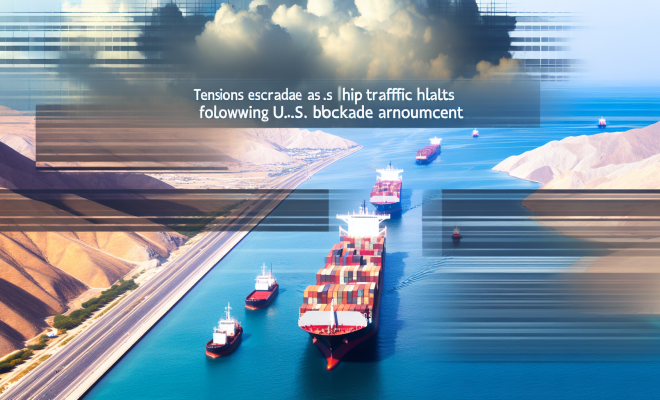
The Strait of Hormuz, a vital maritime passage for global oil shipments, has become the epicenter of escalating tensions following a significant announcement by U.S. President Donald Trump. In a dramatic escalation of hostilities, the President declared a blockade on Iranian ports and coastal areas, a move that has effectively halted ship traffic in this critical waterway.
Impact of the Blockade on Global Oil Markets
In the wake of Trump’s announcement, oil prices have surged dramatically. As of the latest reports, U.S. crude oil prices jumped nearly 7% to reach $103.28 per barrel, while Brent crude rose by 6.5% to $101.40. This spike is particularly striking when considering that just weeks prior, prices were hovering around $70 per barrel before the onset of conflict, peaking at over $119 amidst ongoing turmoil.
The Strategic Importance of the Strait of Hormuz
The Strait of Hormuz is a crucial chokepoint in global energy supply, with approximately 20% of the world’s oil passing through it. The increased tensions and military posturing in the area have the potential to disrupt not only regional trade but also global energy markets significantly. With the ongoing conflict entering its seventh week, the implications of a sustained blockade could be profound.
Iran’s Response to the U.S. Blockade
In response to the blockade, Iran’s Revolutionary Guard has made bold claims, asserting that they have full control over the Strait of Hormuz. This declaration comes amid threats of forceful responses to any military vessels operating in the region. The Iranian military’s stance suggests a readiness to engage in direct confrontations should they perceive any threats to their sovereignty or shipping interests.
The Broader Context of U.S.-Iran Relations
The blockade announcement follows a series of failed ceasefire talks held in Pakistan, aimed at de-escalating the ongoing conflict between the U.S. and Iran. The breakdown of these negotiations underscores the deep-seated animosities and complexities that define U.S.-Iran relations. As both nations grapple with their military and diplomatic strategies, the potential for miscalculation remains high, particularly in such a volatile region.
Humanitarian Concerns Amidst the Conflict
As military actions intensify, the humanitarian toll continues to rise. Reports indicate that thousands have already been killed since the conflict began, raising urgent concerns about the impact on civilian populations. The situation has drawn international attention, with calls for a renewed focus on diplomatic solutions to avert further loss of life.
Potential Consequences for Global Trade
The implications of a prolonged blockade in the Strait of Hormuz extend beyond just oil prices. Disruptions in shipping could lead to significant delays in global supply chains, affecting various industries reliant on timely deliveries. Businesses worldwide are closely monitoring the situation, with many beginning to consider contingency plans in the event of a prolonged closure of this key maritime route.
International Reactions and Future Outlook
The international community has reacted cautiously to the unfolding events. Nations that depend heavily on oil imports from the Gulf region are particularly concerned about the stability of supply and the potential for escalating military conflict. As the situation develops, diplomatic efforts may intensify, with various countries advocating for a resolution to prevent further escalation.
Travel and Shipping Implications
For travelers and shipping companies, the current situation presents a range of challenges. The risk of military engagement in the area may deter shipping routes that typically pass through the Strait of Hormuz, pushing vessels to seek alternative, longer routes. This could lead to increased shipping costs, which may eventually be passed on to consumers.
Safety Precautions for Mariners
- Vessels are advised to avoid the Strait of Hormuz and surrounding waters.
- Mariners should stay updated with the latest news and advisories from maritime authorities.
- Shipping companies are encouraged to implement robust risk management strategies to protect their assets.
As the situation continues to evolve, the international community watches with bated breath, hopeful for a resolution that ensures the safety of maritime operations and the stability of global oil markets. The ramifications of the blockade will undoubtedly be felt for months, if not years, to come, shaping the geopolitical landscape and influencing energy policies worldwide.