Gen Z’s Analog Counterculture: Escaping Digital Overload
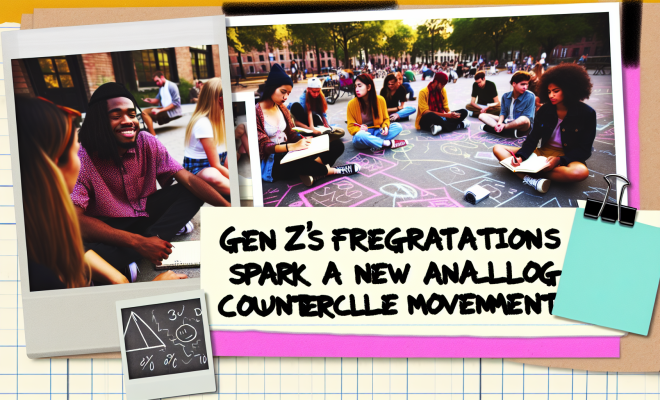
As the political landscape continues to polarize and digital life becomes increasingly overwhelming, members of Generation Z are finding solace in a burgeoning analog counterculture. This movement, which has gained traction in recent years, reflects the frustrations of a generation disillusioned by the dysfunctions of current societal structures and a hyper-digitalized existence.
The Roots of Frustration
Born between the late 1990s and early 2010s, Gen Z has grown up witnessing profound changes in the world around them. Economic instability, climate change, and political strife have shaped their worldview, leading many to feel disenchanted with traditional avenues for change. This sense of disillusionment is exacerbated by a political system that often appears gridlocked and ineffective, leaving young people questioning the viability of engaging in mainstream politics.
According to a 2023 survey conducted by the Pew Research Center, over 70% of Gen Z respondents expressed frustration with the current political climate, citing polarization as a significant concern. This frustration has not only fueled apathy but has also ignited a desire for alternatives that diverge from the entrenched norms of contemporary society.
Embracing Analog Alternatives
In response to these challenges, many young people are gravitating towards analog experiences that offer a sense of authenticity and connection. This analog counterculture movement is characterized by a resurgence of interests in activities such as vinyl records, film photography, and handwritten letters. These pursuits provide a stark contrast to the rapid pace of digital interactions and the often-disheartening news cycle that dominates social media.
- Vinyl Records: Sales of vinyl records have surged in recent years, with the Recording Industry Association of America reporting that vinyl sales surpassed CD sales for the first time since the 1980s in 2022. This revival reflects a yearning for tangible experiences in a world increasingly dominated by streaming services.
- Film Photography: The resurgence of interest in film photography has also been notable, as Gen Z seeks to capture moments in a way that feels more genuine and less curated than digital photography. The tactile nature of film, along with its inherent unpredictability, offers a refreshing departure from the perfectionism often found in digital images.
- Handwritten Letters: In a time when communication is instant and often impersonal, many young people are rediscovering the art of letter writing. Handwritten notes offer a personal touch that digital messages can lack, fostering deeper connections with friends and family.
Finding Community and Connection
Beyond the individual pursuits of analog activities, this counterculture movement is also fostering a sense of community among Gen Z. With digital platforms often amplifying feelings of isolation, young people are increasingly seeking out spaces where they can engage with others in more meaningful ways.
Pop-up shops, community events, and local workshops centered around analog crafts are becoming popular gathering spots. These environments not only encourage creativity but also promote collaboration and dialogue among participants, allowing individuals to share their frustrations and aspirations in a supportive atmosphere.
Political Engagement Beyond the Digital Realm
While many may perceive Gen Z’s retreat to analog as a form of disengagement from politics, it can also be viewed as a strategic pivot towards more grassroots and community-oriented forms of activism. Young activists are increasingly focusing on local issues, leveraging their analog connections to create tangible change in their communities.
For example, local initiatives and activism centered around environmental sustainability, social justice, and mental health awareness have flourished as Gen Z prioritizes face-to-face interactions over online campaigns. This shift towards localized engagement signifies a desire for authentic impact, as many young people recognize that real change often begins in their own neighborhoods.
Challenges Ahead
Despite the invigorating spirit of the analog counterculture, challenges remain. The digital landscape is deeply entrenched, and many of the tools for activism and communication still reside online. Balancing the desire for analog experiences with the realities of a digital world can be difficult, especially as movements and messages often rely on social media for visibility.
Furthermore, the risk of romanticizing the analog can lead to exclusionary practices, where only those with the resources or means to engage in such activities can participate. As the movement grows, it will be essential for advocates to remain inclusive and ensure that the benefits of this counterculture are accessible to all.
Conclusion
As Gen Z navigates a complex and often frustrating world, their embrace of an analog counterculture signifies a powerful response to the challenges they face. By seeking authenticity, community, and alternative paths for engagement, this generation is not only carving out new spaces for expression but also redefining what it means to be politically active in the 21st century. The analog movement serves as a reminder that while the digital age has transformed how we interact, the fundamental human desire for connection and meaningful experiences remains unwavering.