UN Report: Global Economic Inequality Skyrockets by 2025
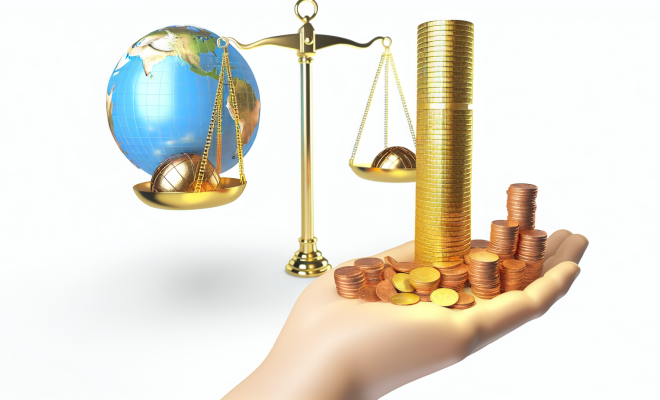
The recent United Nations report has painted a grim picture of the growing economic disparity between wealthy and developing nations, highlighting a widening gap that threatens global stability and development. With promises made in the Seville blueprint to reform major financial institutions like the IMF and World Bank remaining largely unfulfilled, the repercussions of this inaction are becoming increasingly evident.
Unfulfilled Promises and Financial Reform
Since the introduction of the Seville blueprint, which aimed to provide a more equitable financial framework for developing nations, there has been little progress in addressing the systemic issues that hinder economic growth in poorer countries. The report underscores that without significant reforms in global financial institutions, the challenges faced by these nations will only exacerbate.
Geopolitical Tensions and Trade Barriers
Compounding the financial struggles of developing nations are rising geopolitical tensions and increased trade barriers. The report specifically points to the tariffs imposed during the Trump administration as a significant factor in this growing divide. These tariffs have substantially increased the cost of exports from poorer nations, limiting their access to international markets.
Impact of Tariff Increases
- Average tariffs on exports from the poorest nations: Jumped from 9% to 28% in 2025.
- Average tariffs on exports from other developing nations: Increased from 2% to 19%, excluding China.
These drastic increases in tariffs are not merely numbers; they represent a significant barrier to trade, stifling potential economic growth and development in nations that are already struggling.
Climate Shocks Intensifying Financial Struggles
In addition to trade barriers and geopolitical issues, developing nations are also facing the dire consequences of climate change. The report indicates that climate shocks—such as extreme weather events and natural disasters—are increasingly impacting the economies of these nations, further straining their limited financial resources. As these countries grapple with the effects of climate change, the need for financial support and climate resilience has never been more critical.
Predictions for the Future
UN Undersecretary-General Li Junhua has projected a further decline of 5.8% in developing economies for the year 2026. This forecast paints a bleak outlook for nations already struggling to recover from the economic impacts of the COVID-19 pandemic and global supply chain disruptions. The anticipated decline underscores the urgent need for global action to address these disparities.
The Call for Action
As the report illustrates, the gap between rich and poor nations is not merely a statistical anomaly; it has real-world implications that affect millions of lives. With the world still grappling with the aftershocks of the pandemic, the urgency for reforming global financial institutions is palpable. The UN report serves as a clarion call for nations, organizations, and stakeholders to prioritize equitable economic policies that can foster growth and stability across all nations.
Conclusion
The widening economic divide highlighted in the UN report is a challenge that cannot be ignored. As nations navigate the complexities of a post-pandemic world, addressing the issues of trade barriers, geopolitical tensions, and climate change will be crucial in forging a path towards a more equitable global economy. The need for robust financial reform and a commitment to supporting developing nations must be at the forefront of international discourse. Only through concerted efforts can the global community hope to bridge the gap between rich and poor nations and ensure a sustainable future for all.