Poland’s Citizen Frog Patrol: A Community Initiative to Protect Amphibian Migrations
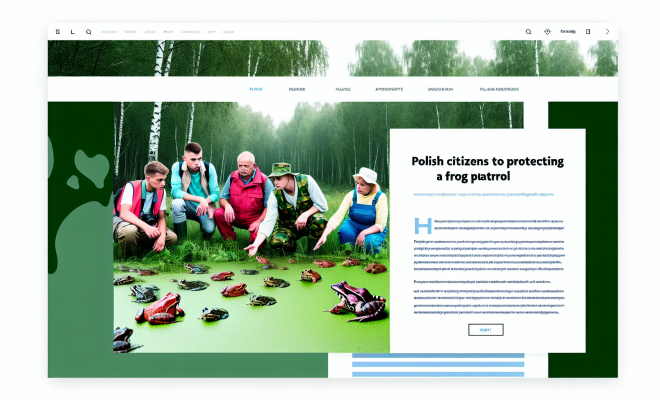
As the sun sets and spring arrives in Poland, a remarkable initiative unfolds along the roadways of Otrebusy. Known as the Citizen Frog Patrol, a group of dedicated volunteers is making a significant impact by assisting amphibians, particularly the vulnerable female common toads, on their perilous journey across busy roads during migration season. This community-driven effort not only saves thousands of frogs from potential harm but also plays a crucial role in preserving local biodiversity.
The Importance of Amphibian Migration
Amphibians, especially toads, are critical to the health of ecosystems. They serve as both predators and prey, helping to control insect populations while also providing food for various wildlife. As they migrate to breeding sites each spring, these creatures face numerous challenges, with vehicle traffic being one of the most significant threats. The annual migration is a natural instinct, driven by the need to find suitable breeding grounds, and it often coincides with the onset of warmer weather.
Community Involvement
The Citizen Frog Patrol was born out of a necessity to protect these migrating amphibians. Volunteers from various backgrounds, including biologists, students, and local residents, come together each year to help facilitate safe crossings. On March 30, the patrol set out to monitor the roads and assist the toads, showcasing a spirit of community engagement and environmental stewardship.
How the Patrol Operates
Equipped with flashlights and reflective vests, the volunteers position themselves along known migration routes. Their primary goal is to ensure that as many toads as possible make it across the road without being harmed. This involves:
- Monitoring roadways during peak migration times, often at night when toads are most active.
- Gently collecting any toads found on the road and relocating them to safer areas.
- Informing drivers of the potential hazards and encouraging them to slow down in frog-crossing zones.
By coordinating these efforts, the Citizen Frog Patrol has successfully relocated thousands of toads each season, highlighting the power of grassroots conservation efforts.
Challenges and Triumphs
Despite their best efforts, the work is not without its challenges. Weather conditions, such as heavy rain or cold temperatures, can impact migration patterns, affecting the number of toads that need assistance. Additionally, the ongoing threat of urban development poses a long-term risk to amphibian habitats. Yet, the passion and dedication of the volunteers often shine through these obstacles.
Community members report a sense of fulfillment that comes from participating in the patrol. One volunteer noted, “Every toad we save feels like a small victory. It’s inspiring to see how our efforts contribute to the survival of these species and the health of our local environment.” This sentiment resonates throughout the community, fostering a deeper appreciation for the natural world.
Broader Environmental Impact
The work of the Citizen Frog Patrol extends beyond just saving toads. It raises awareness about the broader environmental issues that amphibians face. As indicators of ecological health, amphibians react sensitively to pollution and habitat loss, making their well-being a reflection of the overall environment. By protecting these creatures, the patrol also emphasizes the importance of preserving biodiversity in Poland.
Moreover, initiatives like the Citizen Frog Patrol can inspire other communities worldwide to take similar actions. Grassroots movements often serve as a catalyst for larger conservation efforts, demonstrating that local actions can lead to significant environmental change.
Future of the Patrol
Looking ahead, the Citizen Frog Patrol aims to expand its reach and impact. Plans are in place to increase public education efforts, including workshops and informational pamphlets about the importance of amphibian conservation. Engaging local schools and youth in these activities can further strengthen community involvement and foster a new generation of environmental stewards.
Additionally, the patrol is exploring partnerships with environmental organizations to secure funding and resources that can enhance their mission. These collaborations could lead to more extensive habitat restoration projects and increased awareness of the threats that amphibians face.
Conclusion
The Citizen Frog Patrol in Poland stands as a testament to the power of community action in addressing environmental challenges. By assisting amphibians during their critical migration periods, these volunteers are not only saving lives but also championing the broader cause of biodiversity conservation. As they continue their important work, they inspire others to recognize the value of every creature and the role we all play in preserving our planet’s ecosystems.