The Tech Edvocate

Top Menu

  • Advertisement
  • Apps
  • Home Page
  • Home Page Five (No Sidebar)
  • Home Page Four
  • Home Page Three
  • Home Page Two
  • Home Tech2
  • Icons [No Sidebar]
  • Left Sidbear Page
  • Lynch Educational Consulting
  • My Account
  • My Speaking Page
  • Newsletter Sign Up Confirmation
  • Newsletter Unsubscription
  • Our Brands
  • Page Example
  • Privacy Policy
  • Protected Content
  • Register
  • Request a Product Review
  • Shop
  • Shortcodes Examples
  • Signup
  • Start Here
    • Governance
    • Careers
    • Contact Us
  • Terms and Conditions
  • The Edvocate
  • The Tech Edvocate Product Guide
  • Topics
  • Write For Us
  • Advertise

Main Menu

  • Start Here
    • Our Brands
    • Governance
      • Lynch Educational Consulting, LLC.
      • Dr. Lynch’s Personal Website
      • Careers
    • Write For Us
    • The Tech Edvocate Product Guide
    • Contact Us
    • Books
    • Edupedia
    • Post a Job
    • The Edvocate Podcast
    • Terms and Conditions
    • Privacy Policy
  • Topics
    • Assistive Technology
    • Child Development Tech
    • Early Childhood & K-12 EdTech
    • EdTech Futures
    • EdTech News
    • EdTech Policy & Reform
    • EdTech Startups & Businesses
    • Higher Education EdTech
    • Online Learning & eLearning
    • Parent & Family Tech
    • Personalized Learning
    • Product Reviews
  • Advertise
  • Tech Edvocate Awards
  • The Edvocate
  • Pedagogue
  • School Ratings

logo

The Tech Edvocate

  • Start Here
    • Our Brands
    • Governance
      • Lynch Educational Consulting, LLC.
      • Dr. Lynch’s Personal Website
        • My Speaking Page
      • Careers
    • Write For Us
    • The Tech Edvocate Product Guide
    • Contact Us
    • Books
    • Edupedia
    • Post a Job
    • The Edvocate Podcast
    • Terms and Conditions
    • Privacy Policy
  • Topics
    • Assistive Technology
    • Child Development Tech
    • Early Childhood & K-12 EdTech
    • EdTech Futures
    • EdTech News
    • EdTech Policy & Reform
    • EdTech Startups & Businesses
    • Higher Education EdTech
    • Online Learning & eLearning
    • Parent & Family Tech
    • Personalized Learning
    • Product Reviews
  • Advertise
  • Tech Edvocate Awards
  • The Edvocate
  • Pedagogue
  • School Ratings
  • Wenn Ordnung den Bildschirm beruhigt: Warum klare Abläufe Casino-Unterhaltung einladender machen

  • Reddit AI Reviews: The Quiet Reshaping of Online Opinion

  • The Chilling Truth: Iran Cyberattacks Europe’s Food and Blood Supplies

  • Anthropic’s $3.4 Billion Bet on Gas: The Unseen Cost of AI’s Future

  • Tribit FlyBuds C3 Earbuds: Premium Features at a Budget-Friendly Price

  • Is AuraCam Pro’s Emotional AI a Privacy Nightmare or Security Breakthrough?

  • Unprecedented: N-able’s Global Shutdown After 30+ Zero-Days Revealed

  • The Urgent Truth: Your AI Tools for Financial Advisors Could Be a Compliance Nightmare

  • Unmasking the Troubling Truth About EU’s Digital Omnibus and Your Data

  • Outrageous: Your US Car Insurance 2026 Bill Is About to Explode – Here’s Why

Tech News
Home›Tech News›Iran Ceasefire: How It’s Reshaping Agricultural & Energy Markets

Iran Ceasefire: How It’s Reshaping Agricultural & Energy Markets
By Matthew Lynch
April 9, 2026
0
Spread the love

Introduction

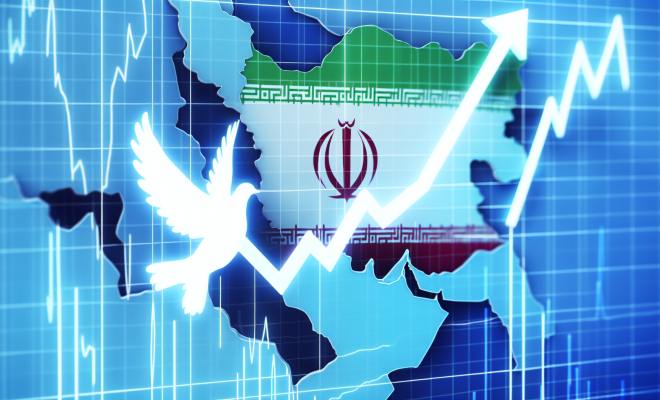
Recent announcements regarding a potential ceasefire in the ongoing Iran conflict have prompted a noticeable shift in both agricultural and energy markets. As traders begin to remove the so-called “war premium” from their pricing strategies, analysts are closely watching the developments to gauge the potential impacts on global supply chains and market stability.

Impact of Ceasefire on Market Sentiment

According to Ted Seifried, a prominent analyst at Zaner Ag Hedge, the ceasing of hostilities in Iran could significantly alter market dynamics. Traders are currently unwinding their positions, reflecting a cautious optimism that the ceasefire might lead to greater stability in oil and gas supplies. However, the uncertainty surrounding the durability of this ceasefire remains a pivotal concern for market participants.

Key Factors Influencing Market Stability

The reopening of the Strait of Hormuz stands out as a critical factor. This strategic waterway is a vital artery for global oil transportation, with approximately 20% of the world’s oil passing through it. A ceasefire could allow for the safe passage of tankers, subsequently stabilizing oil supplies and potentially leading to a decrease in prices.

Conversely, the potential for renewed aggression or instability cannot be overlooked. The region has a history of volatility, and any resurgence of conflict could rapidly reverse current market trends. As such, traders are approaching the situation with a mix of optimism and caution.

Recent Market Trends

The agricultural sector has also felt the ripple effects of the ongoing conflict and the recent discussions of a ceasefire. With energy prices closely tied to agricultural production costs—particularly fertilizers and fuel—changes in the energy market can have a direct impact on farming operations.

  • Energy Prices: Recent trends indicate a decrease in oil prices as traders react to the news. This shift can lead to lower transportation costs for agricultural products, potentially benefiting farmers.
  • Fertilizer Costs: Natural gas, a key ingredient in the production of nitrogen fertilizers, has experienced price fluctuations due to the conflict. A ceasefire may stabilize these prices, allowing farmers to better plan their budgets for the upcoming planting season.
  • Global Supply Chains: The agricultural market relies heavily on stable energy prices. Any disruption in the energy sector can lead to increased costs that are often passed down the supply chain, affecting food prices globally.

Long-Term Considerations

While the immediate reactions to a potential ceasefire are noteworthy, market analysts emphasize the importance of considering the long-term implications. Should the ceasefire hold, it may lead to a more predictable environment for both energy and agricultural markets. However, if hostilities resume, the backlash could be severe, with immediate price spikes and supply chain disruptions.

Additionally, traders and analysts are keeping a close eye on geopolitical developments beyond the Iran conflict. The interconnectedness of global markets means that events in one region can have far-reaching impacts elsewhere. For instance, if tensions escalate in another oil-producing region, it could counteract any positive effects from a ceasefire in Iran.

Conclusion

In summary, the prospect of a ceasefire in Iran has led to a cautious unwinding of positions in both agricultural and energy markets. While the immediate sentiment among traders is one of optimism, the underlying uncertainties regarding the ceasefire’s durability and the potential reopening of the Strait of Hormuz remain significant factors to monitor. As the situation unfolds, market participants will need to stay vigilant and prepared for rapid changes that can impact global energy flows and agricultural production costs.

Ultimately, the intertwined nature of these markets underscores the importance of geopolitical stability in fostering a predictable economic environment. As traders navigate these uncertain waters, the balance between optimism and caution will be key in determining future market trends.


Previous Article

Data Centers Threaten State Clean Energy Goals ...

Next Article

Top Roguelikes & Roguelites Launching April 2026

Matthew Lynch

Related articles More from author

  • Tech News

    March 18, 2026: Queen Latifah, Lily Collins & More Star Birthdays

    March 18, 2026
    By Matthew Lynch
  • Tech News

    Can I use Eclipse for Android development?

    August 14, 2026
    By Matthew Lynch
  • Tech News

    Pharrell Williams, LVMH To Co-Host Olympics Event Prelude In Paris With Charlize Theron, Serena Williams

    July 11, 2024
    By Matthew Lynch
  • Tech News

    GLP-1 Bridge Demonstration 2026: Reshaping Weight-Loss Drug Access

    June 25, 2026
    By Matthew Lynch
  • Tech News

    Google Copyright Lawsuit 2026: AI Training Risks Publishers

    July 15, 2026
    By Matthew Lynch
  • Tech News

    Can I tour a Regus location before booking?

    September 2, 2026
    By Matthew Lynch

Search

Login & Registration

  • Log in
  • Entries feed
  • Comments feed
  • WordPress.org

Newsletter

Signup for The Tech Edvocate Newsletter and have the latest in EdTech news and opinion delivered to your email address!

About Us

Since technology is not going anywhere and does more good than harm, adapting is the best course of action. That is where The Tech Edvocate comes in. We plan to cover the PreK-12 and Higher Education EdTech sectors and provide our readers with the latest news and opinion on the subject. From time to time, I will invite other voices to weigh in on important issues in EdTech. We hope to provide a well-rounded, multi-faceted look at the past, present, the future of EdTech in the US and internationally.

We started this journey back in June 2016, and we plan to continue it for many more years to come. I hope that you will join us in this discussion of the past, present and future of EdTech and lend your own insight to the issues that are discussed.

Newsletter

Signup for The Tech Edvocate Newsletter and have the latest in EdTech news and opinion delivered to your email address!

Contact Us

The Tech Edvocate
910 Goddin Street
Richmond, VA 23231
(601) 630-5238
[email protected]

Copyright © 2026 Matthew Lynch. All rights reserved.