The Tech Edvocate

Top Menu

  • Advertisement
  • Apps
  • Home Page
  • Home Page Five (No Sidebar)
  • Home Page Four
  • Home Page Three
  • Home Page Two
  • Home Tech2
  • Icons [No Sidebar]
  • Left Sidbear Page
  • Lynch Educational Consulting
  • My Account
  • My Speaking Page
  • Newsletter Sign Up Confirmation
  • Newsletter Unsubscription
  • Our Brands
  • Page Example
  • Privacy Policy
  • Protected Content
  • Register
  • Request a Product Review
  • Shop
  • Shortcodes Examples
  • Signup
  • Start Here
    • Governance
    • Careers
    • Contact Us
  • Terms and Conditions
  • The Edvocate
  • The Tech Edvocate Product Guide
  • Topics
  • Write For Us
  • Advertise

Main Menu

  • Start Here
    • Our Brands
    • Governance
      • Lynch Educational Consulting, LLC.
      • Dr. Lynch’s Personal Website
      • Careers
    • Write For Us
    • The Tech Edvocate Product Guide
    • Contact Us
    • Books
    • Edupedia
    • Post a Job
    • The Edvocate Podcast
    • Terms and Conditions
    • Privacy Policy
  • Topics
    • Assistive Technology
    • Child Development Tech
    • Early Childhood & K-12 EdTech
    • EdTech Futures
    • EdTech News
    • EdTech Policy & Reform
    • EdTech Startups & Businesses
    • Higher Education EdTech
    • Online Learning & eLearning
    • Parent & Family Tech
    • Personalized Learning
    • Product Reviews
  • Advertise
  • Tech Edvocate Awards
  • The Edvocate
  • Pedagogue
  • School Ratings

logo

The Tech Edvocate

  • Start Here
    • Our Brands
    • Governance
      • Lynch Educational Consulting, LLC.
      • Dr. Lynch’s Personal Website
        • My Speaking Page
      • Careers
    • Write For Us
    • The Tech Edvocate Product Guide
    • Contact Us
    • Books
    • Edupedia
    • Post a Job
    • The Edvocate Podcast
    • Terms and Conditions
    • Privacy Policy
  • Topics
    • Assistive Technology
    • Child Development Tech
    • Early Childhood & K-12 EdTech
    • EdTech Futures
    • EdTech News
    • EdTech Policy & Reform
    • EdTech Startups & Businesses
    • Higher Education EdTech
    • Online Learning & eLearning
    • Parent & Family Tech
    • Personalized Learning
    • Product Reviews
  • Advertise
  • Tech Edvocate Awards
  • The Edvocate
  • Pedagogue
  • School Ratings
  • Baffling: CrowdStrike’s $500 Million AI Bet Reshapes Cybersecurity

  • This Crucial Autonomous Driving Rule Could Cost You Everything

  • Baffling: Microsoft AI CEO Demands Halt to Conscious AI Development

  • O seară în ritmul tău: atmosfera divertismentului de cazinou pe internet

  • Outrageous: AppLovin Hit With Lawsuit Over AI Claims — What Investors Need to Know

  • 9 Critical Ways AI Investment Fraud Is Quietly Draining Your Bank Account

  • Is the AI Bubble Bursting? OpenAI’s Funding Woes Revealed

  • Why Millions Are Skipping College for These 7 Online Courses Right Now

  • The Astonishing Truth About PS5 Pro vs Xbox Ally X Financing

  • The Urgent Truth About 2026 Privacy Laws: Why Your Business Could Face Catastrophic Fines

Tech News
Home›Tech News›Philippines Sees Record Fuel Price Hikes in April 2026

Philippines Sees Record Fuel Price Hikes in April 2026
By Matthew Lynch
April 8, 2026
0
Spread the love

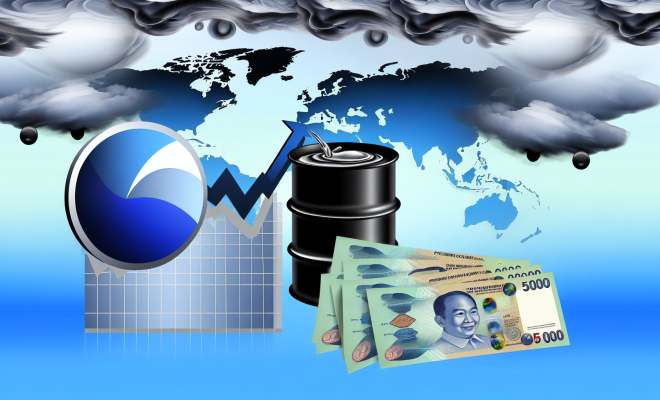
As of April 7, 2026, fuel prices in the Philippines have surged dramatically, reflecting a significant shift in the country’s energy landscape. Major oil companies such as Shell, Petron, and SeaOil have implemented substantial price hikes, pushing diesel prices beyond P140 per liter and in some regions reaching as high as P150. Gasoline prices now hover around P99 to P100 per liter, while kerosene has risen to approximately P163 to P164 per liter.

The Impact of Global Crude Oil Fluctuations

The recent price escalations are closely tied to ongoing fluctuations in the global crude oil market, exacerbated by geopolitical tensions in the Middle East. Such instability has a direct ripple effect on oil prices worldwide, which, in turn, influences local pricing structures.

Understanding the Current Prices

According to the Department of Energy (DOE), the prices recorded as of April 6 reflect the adjustments made on April 7. These figures showcase an unprecedented rise in fuel costs, underscoring the challenges faced by consumers and businesses alike.

  • Diesel: > P140 – P150 per liter
  • Gasoline: P99 – P100 per liter
  • Kerosene: P163 – P164 per liter

Consumer Reactions and Economic Implications

The steep increase in fuel prices has elicited a range of responses from consumers, many of whom are grappling with the financial burden associated with higher transportation and production costs. Small business owners, particularly those in the logistics and transportation sectors, are feeling the pinch as these increased fuel costs are likely to be passed on to consumers in the form of higher prices for goods and services.

Moreover, the government faces pressure to intervene and provide relief to consumers. Discussions are ongoing about potential subsidies or price controls as a means to alleviate the financial strain on households and businesses.

The Broader Context of Oil Prices

Understanding the broader context behind these price hikes involves examining the intricate web of factors that influence oil prices on a global scale. The Organization of the Petroleum Exporting Countries (OPEC) plays a crucial role in this dynamic, as it regulates oil production levels among member nations to manage supply and stabilize prices. However, when geopolitical tensions arise, such as conflicts or sanctions affecting major oil-producing countries, the balance can be disrupted, leading to increased prices.

Additionally, other contributing factors include:

  • Supply Chain Disruptions: Ongoing logistical challenges can hinder the timely delivery of crude oil and refined products.
  • Demand Fluctuations: As economies recover from global downturns, demand for oil can surge, further driving prices upward.
  • Market Speculation: Investors and traders often react to news from the Middle East and other regions, leading to speculative trading that can artificially inflate prices.

Future Outlook for Fuel Prices

Looking ahead, many analysts suggest that unless geopolitical tensions in oil-rich regions subside or production levels increase significantly, fuel prices are likely to remain elevated. This situation calls into question the sustainability of current consumption patterns and highlights the urgent need for alternative energy sources.

As the Philippines continues to rely heavily on imported fossil fuels, there is an increasing emphasis on transitioning to renewable energy sources. The government has been promoting initiatives to invest in solar, wind, and hydroelectric power as part of its long-term energy strategy. Diversifying energy sources could help mitigate the impact of future price volatility in the oil market.

Government Response and Policy Considerations

The Philippine government is faced with the challenge of balancing economic growth with energy sustainability. Measures being considered include:

  • Implementing Subsidies: Financial assistance for low-income households to help offset increased fuel costs.
  • Encouraging Renewable Energy Investments: Incentives for businesses and homeowners to invest in renewable energy solutions.
  • Strengthening Energy Security: Policies aimed at reducing dependence on imported oil through domestic production and alternative energy sources.

Conclusion

The recent price hikes in the Philippines highlight the vulnerability of consumers and businesses to global oil market fluctuations. As fuel prices reach unprecedented levels, the urgency for effective policy responses and a transition to sustainable energy sources becomes increasingly critical. With ongoing geopolitical tensions and the potential for further price increases, both consumers and policymakers must navigate this challenging landscape with foresight and adaptability.


Previous Article

Acupuncture & Nutrition: Holistic Migraine Relief

Next Article

Brent Crude Oil Plummets 15% After US-Iran ...

Matthew Lynch

Related articles More from author

  • Tech News

    7 Essential Tips to Create Strong Passwords in 2024

    June 13, 2026
    By Matthew Lynch
  • Tech News

    How to change Discord username

    July 17, 2026
    By Matthew Lynch
  • Tech News

    Elon Musk’s xAI Cofounders Depart: Why the Leadership Exodus?

    April 5, 2026
    By Matthew Lynch
  • Tech News

    April 2026 Travel Trends: Navigating Changes & Opportunities

    April 2, 2026
    By Matthew Lynch
  • Tech News

    How to use Postman monitors?

    August 15, 2026
    By Matthew Lynch
  • Tech News

    How to download Vimeo videos?

    August 13, 2026
    By Matthew Lynch

Search

Login & Registration

  • Log in
  • Entries feed
  • Comments feed
  • WordPress.org

Newsletter

Signup for The Tech Edvocate Newsletter and have the latest in EdTech news and opinion delivered to your email address!

About Us

Since technology is not going anywhere and does more good than harm, adapting is the best course of action. That is where The Tech Edvocate comes in. We plan to cover the PreK-12 and Higher Education EdTech sectors and provide our readers with the latest news and opinion on the subject. From time to time, I will invite other voices to weigh in on important issues in EdTech. We hope to provide a well-rounded, multi-faceted look at the past, present, the future of EdTech in the US and internationally.

We started this journey back in June 2016, and we plan to continue it for many more years to come. I hope that you will join us in this discussion of the past, present and future of EdTech and lend your own insight to the issues that are discussed.

Newsletter

Signup for The Tech Edvocate Newsletter and have the latest in EdTech news and opinion delivered to your email address!

Contact Us

The Tech Edvocate
910 Goddin Street
Richmond, VA 23231
(601) 630-5238
[email protected]

Copyright © 2026 Matthew Lynch. All rights reserved.