Revolutionizing Wildfire Management: The Rise of Autonomous Bulldozers
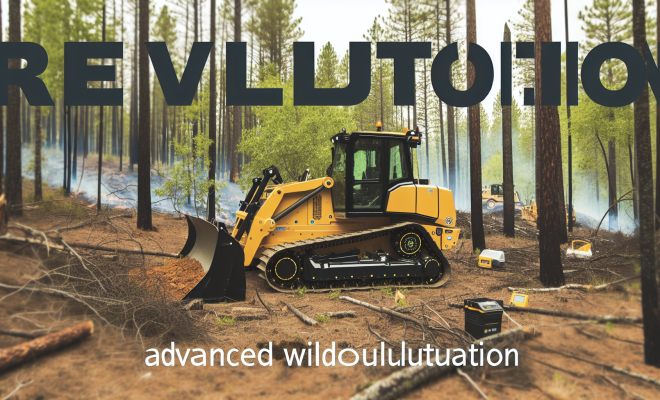
As wildfires continue to pose significant threats to ecosystems, communities, and economies worldwide, innovative technology is stepping in to enhance firefighting efforts. Engineers have begun testing autonomous bulldozers specifically designed to combat wildfires by creating firebreaks, dramatically reducing the risk to human firefighters.
The Challenge of Wildfires
Each year, wildfires burn millions of acres of land, destroying habitats and homes while releasing vast amounts of carbon into the atmosphere. The increasing frequency and intensity of these fires can be attributed to climate change, coupled with factors such as forest management practices and urban sprawl into vulnerable areas. Traditional firefighting techniques often put human lives at risk, particularly in remote or extremely hazardous environments.
Introducing Autonomous Bulldozers
To address these challenges, engineers are turning to autonomous machinery. These self-operating bulldozers are equipped with advanced technology, allowing them to operate independently in harsh conditions. The primary function of these machines is to create firebreaks—strips of land cleared of vegetation that can help stop the spread of wildfires.
How Autonomous Bulldozers Work
The autonomous bulldozers are equipped with GPS navigation, sensors, and artificial intelligence, enabling them to navigate through difficult terrains without human intervention. By utilizing real-time data and pre-programmed algorithms, these machines can assess the environment, identify optimal paths, and execute tasks with precision.
- GPS Navigation: Provides accurate positioning to guide the bulldozer along predetermined routes.
- Sensors: Detect obstacles, terrain types, and vegetation density, allowing for safe maneuvering.
- Artificial Intelligence: Processes data to make autonomous decisions on the most effective way to create firebreaks.
Benefits of Using Autonomous Bulldozers
The deployment of autonomous bulldozers in wildfire management offers several advantages:
- Increased Safety: By removing human firefighters from the immediate danger of wildfires, these machines help to mitigate the risk of injury or loss of life.
- Operational Efficiency: Autonomous bulldozers can work continuously without fatigue, covering larger areas in a shorter time frame compared to human-operated equipment.
- Cost-Effectiveness: With the potential to reduce the need for manpower and the associated costs, these machines could lead to significant savings in firefighting budgets.
- Enhanced Reach: Capable of operating in challenging environments, such as steep hillsides or densely forested areas, these bulldozers can access regions that are difficult or unsafe for human crews.
Real-World Testing and Implementation
Recent trials of these autonomous bulldozers have demonstrated their potential in real-world wildfire scenarios. Engineers are closely monitoring their performance in creating firebreaks and assessing their effectiveness in slowing down fire progression. The feedback gathered during these tests will be invaluable for optimizing the technology and ensuring its reliability in critical situations.
Future Implications for Wildfire Management
As climate change continues to exacerbate wildfire conditions, the need for innovative solutions becomes increasingly urgent. The introduction of autonomous bulldozers could represent a significant shift in how firefighting strategies are developed and implemented. By blending technology with traditional firefighting methods, authorities may be able to enhance their overall effectiveness and response times.
Moreover, the adoption of autonomous technology in wildfire management could pave the way for further advancements in agriculture, forestry, and environmental conservation. The ability to automate labor-intensive and hazardous tasks can lead to improved land management practices and a better understanding of ecological systems.
Conclusion
The testing of autonomous bulldozers signifies a promising advancement in wildfire management strategies. By enhancing safety, efficiency, and operational reach, these machines could transform the approach to combating wildfires and protecting vulnerable landscapes and communities. As technological innovations continue to evolve, the hope remains that they will bring about a more effective and sustainable future in wildfire response and management.