Neo-Chinese Style Dominates Fashion Week AW 2026
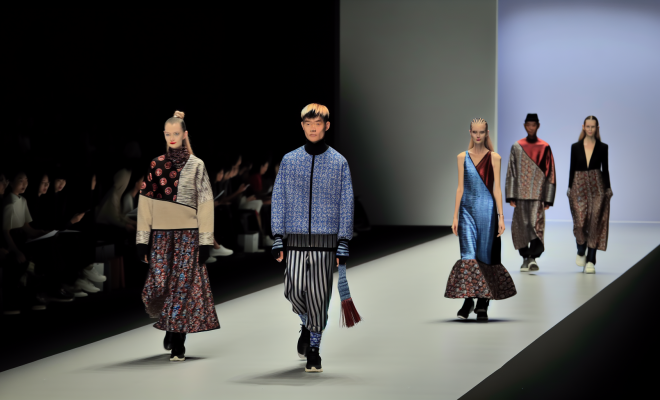
Fashion Week AW 2026 has once again proven to be a platform for innovation and creativity, captivating audiences with a remarkable showcase of emerging trends. This season, one standout trend has taken center stage: Neo-Chinese Style, a modern interpretation of traditional Chinese fashion elements. Designers embraced the challenge of blending heritage craftsmanship with contemporary aesthetics, creating stunning pieces that reflect a rich cultural history while appealing to modern sensibilities.
Embracing Cultural Heritage
The Neo-Chinese Style trend is characterized by a seamless fusion of cultural motifs and innovative silhouettes. Designers drew inspiration from the intricate patterns, vibrant colors, and elegant silhouettes of traditional Chinese garments, reimagining them for today’s fashion-forward audience. This approach not only honors the past but also reinvigorates it, making it relevant for the current season.
Key Elements of Neo-Chinese Style
- Heritage Craftsmanship: Many designers incorporated traditional techniques such as silk weaving, embroidery, and hand-painted fabrics, elevating their collections with artisanal quality.
- Modern Silhouettes: The reinterpretation of classic forms into contemporary designs was prevalent, with flowing lines and structured shapes that cater to today’s lifestyle.
- Cultural Motifs: Iconic symbols from Chinese culture, including dragons and phoenixes, were artistically integrated into garments, creating a dialogue between past and present.
- Color Palette: Rich, vibrant colors such as deep reds, jade greens, and golds dominated the runway, reflecting the opulence of traditional Chinese attire while remaining fresh and bold.
Designer Highlights
Several designers stood out during the event, each offering a unique take on the Neo-Chinese Style. Notable figures included:
- Chen Peng: Known for his avant-garde designs, Chen Peng incorporated oversized silhouettes and dramatic layering, using exquisite silk fabrics that flowed effortlessly down the runway.
- Guo Pei: A master of couture, Guo Pei’s collection featured intricately embroidered gowns that told stories of Chinese mythology, showcasing her commitment to craftsmanship and detail.
- Ma Ke: Ma Ke focused on sustainable fashion, using organic materials to create pieces that honored traditional techniques while promoting environmental consciousness.
The Global Influence of Neo-Chinese Style
The emergence of Neo-Chinese Style at Fashion Week AW 2026 has not only captured the attention of local audiences but has also resonated with global fashion enthusiasts. The trend reflects a broader movement towards cultural appreciation and exchange within the fashion industry. Designers around the world are increasingly drawing inspiration from various cultures, leading to a rich tapestry of styles that celebrate diversity.
This season’s focus on Neo-Chinese aesthetics also highlights a growing desire for authenticity in fashion. Consumers are increasingly seeking garments that tell a story and reflect the values of craftsmanship and heritage. The allure of the Neo-Chinese Style lies in its ability to merge rich cultural narratives with contemporary design, making it appealing to a wide audience.
Fashion Week as a Cultural Convergence
Fashion Week serves as a cultural convergence, where designers, influencers, and audiences from diverse backgrounds come together to celebrate creativity and innovation. The spotlight on Neo-Chinese Style during AW 2026 emphasizes the importance of cultural narratives in shaping modern fashion. It also signals a shift towards inclusivity and a deeper appreciation for the stories behind the garments we wear.
Looking Ahead: The Future of Fashion
As we move into the autumn-winter season, the influence of Neo-Chinese Style is expected to extend beyond the runway. Retailers and consumers alike are likely to embrace this trend, seeking out pieces that reflect both modernity and tradition. The successful integration of cultural elements into contemporary fashion will undoubtedly inspire future collections, leading to a richer, more diverse landscape in the industry.
Furthermore, the emphasis on sustainability and craftsmanship in the Neo-Chinese Style trend aligns with broader shifts in consumer behavior. As awareness of the impact of fast fashion grows, many are turning towards brands that prioritize quality, heritage, and responsible practices. This evolution in consumer values will shape the future of fashion, encouraging more designers to explore the depths of cultural heritage while innovating for the modern world.
Conclusion
Fashion Week AW 2026 has set the stage for a significant cultural moment with the rise of Neo-Chinese Style. By blending traditional elements with contemporary design, designers have not only showcased their creativity but have also paid homage to a rich cultural history. As audiences around the globe embrace this trend, it is clear that the future of fashion will continue to explore the dynamic relationship between culture and innovation.