US LNG Exports Soar to Record High in March 2023
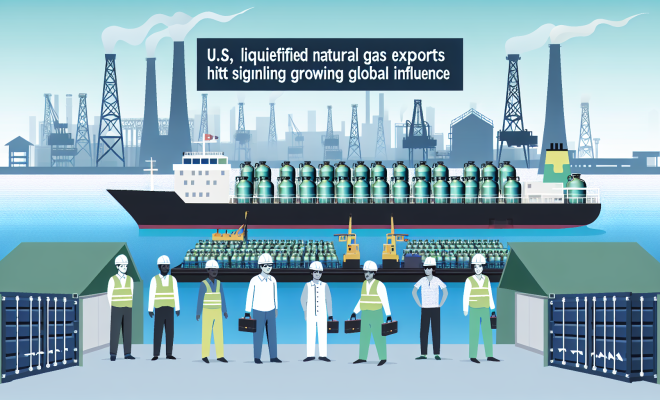
The United States has achieved a significant milestone in its energy sector, setting a record for liquefied natural gas (LNG) exports. In March 2023, U.S. LNG exports surged to an unprecedented 11.7 million metric tons, surpassing the previous record of 11.5 million tons set in December 2022. This remarkable increase from 9.94 million tons in February underscores the U.S.’s evolving role as a dominant player in the global LNG market amid ongoing energy challenges.
Driving Factors Behind the Surge
This record-breaking export figure can be attributed to several key factors that have allowed U.S. LNG plants to operate above their nameplate capacity. One of the primary drivers is the increased demand for natural gas worldwide, particularly in Europe, where the energy crisis has spurred a shift away from reliance on Russian energy sources. As a result, the U.S. has ramped up production and export efforts to meet this growing demand.
Operational Efficiency and New Infrastructure
The operational efficiency of existing LNG facilities has significantly improved, enabling them to process more natural gas than they were originally designed for. Additionally, the commissioning of new LNG units has bolstered the overall export capacity. These developments are crucial as they allow the U.S. to capitalize on the current global energy landscape, where nations are actively seeking alternative energy supplies.
Global Context of U.S. LNG Exports
The U.S. has established itself as a critical supplier of LNG, especially in the context of the ongoing energy crisis exacerbated by geopolitical tensions and climate change. As European countries seek to diversify their energy sources, U.S. LNG has become increasingly attractive due to its relatively lower carbon footprint compared to coal and oil.
- European Union: The EU has been particularly proactive in reducing its dependence on Russian gas, which has propelled U.S. LNG exports to the region.
- Asia: Similarly, Asian markets, including Japan and South Korea, continue to rely heavily on LNG imports to meet their energy needs.
- Global Supply Chain: The interconnectedness of global energy markets has positioned the U.S. to be a leading supplier, thereby enhancing its influence on energy security.
Implications for U.S. Energy Policy
The increase in LNG exports has significant implications for U.S. energy policy. As the country continues to expand its LNG production capabilities, it may influence domestic energy prices and availability. Policymakers must navigate the balance between meeting international demand and ensuring energy affordability for American consumers.
Moreover, this surge in LNG exports may prompt discussions around regulatory frameworks and environmental considerations. As LNG production increases, so does the need for sustainable practices and technological advancements to minimize environmental impact.
Challenges Ahead
Despite the promising outlook for U.S. LNG exports, several challenges remain on the horizon. The ongoing energy crisis is multifaceted and can impact the stability of LNG supply chains. Factors such as weather events, geopolitical tensions, and economic fluctuations can all affect export levels. Additionally, the global energy transition towards renewables poses questions about the long-term demand for fossil fuels.
Investment in Infrastructure
To sustain this momentum, significant investment in infrastructure will be necessary. The U.S. must continue to enhance its LNG export facilities and transport networks to accommodate increased production levels. Furthermore, securing financing and regulatory approvals for new projects will be crucial to maintaining the competitive edge in the global market.
Conclusion
The record-setting LNG exports in March 2023 not only mark a significant achievement for the U.S. energy sector but also reflect the shifting dynamics of global energy supply and demand. As the world navigates an energy crisis, the U.S. stands poised to play a pivotal role in shaping the future of energy security.
Moving forward, it will be essential for U.S. policymakers and industry leaders to tackle the challenges associated with this growth while embracing opportunities for innovation and sustainability. The path ahead is laden with potential, and the U.S. is in a prime position to leverage its resources and expertise to meet the energy needs of nations around the globe.