High Oil Prices Fuel Economic Fears: A Looming Recession?
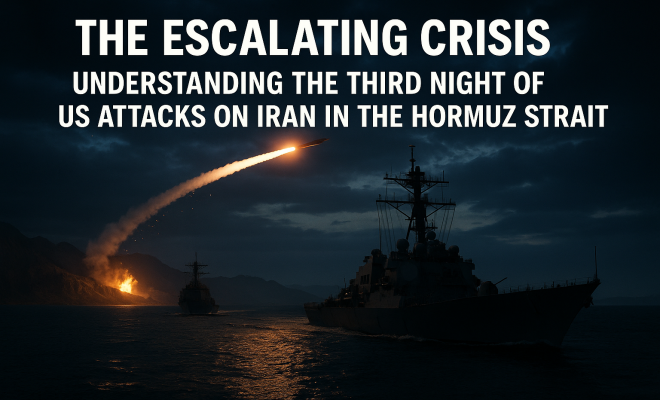
As tensions continue to rise in key global regions, economists are sounding alarms over the potential economic fallout from soaring oil prices. The ongoing conflict has sent gas prices skyrocketing, prompting a reevaluation of growth forecasts and a stark increase in inflation and unemployment projections. This troubling trend raises critical questions about the stability of the economy and the specter of a looming recession.
The Impact of Elevated Oil Prices
The surge in oil prices is largely attributed to escalating geopolitical conflicts that have disrupted supply chains and created uncertainty in the markets. This instability has led to a significant increase in fuel costs, which, in turn, affects nearly every sector of the economy. High oil prices not only strain consumers’ wallets but also increase operational costs for businesses, which can lead to higher prices for goods and services.
Revised Economic Projections
Recent analysis from various economic experts has resulted in a downward revision of growth estimates for the coming quarters. The persistent rise in oil prices is expected to dampen consumer spending, as households are forced to allocate more of their budgets to fuel and energy expenses. This shift in spending patterns could lead to a slowdown in economic growth, with some economists raising the odds of a recession should oil prices continue to climb.
- Growth Estimates: Economists are now projecting reduced growth rates for the next fiscal year.
- Inflation Rates: Higher oil prices contribute directly to inflation, exacerbating financial pressures on consumers.
- Unemployment Projections: As businesses face rising costs, layoffs and hiring freezes may become more prevalent.
Political Reactions and Public Sentiment
In a recent speech, former President Donald Trump addressed the escalating concerns surrounding high oil prices and their potential economic ramifications. He characterized the situation as a temporary issue, suggesting that the economy would rebound once the geopolitical tensions ease. However, many economists and financial analysts remain skeptical of such optimistic projections, arguing that the underlying issues could persist for an extended period.
Market Reactions to Geopolitical Tensions
The financial markets have also reacted to the ongoing conflict and the associated rise in oil prices. Investors are increasingly wary, leading to volatility in stock markets as concerns about inflation and a potential recession loom large. The uncertainty surrounding oil prices has led to fluctuations in energy stocks, which are closely tied to global supply and demand dynamics.
The interplay between oil prices and broader economic indicators is crucial. For instance, as fuel costs rise, businesses may be compelled to pass on these costs to consumers, leading to a further increase in inflation. This creates a vicious cycle that can stifle economic growth and push the economy closer to the brink of recession.
Consumer Impact and Future Outlook
For consumers, the impacts of high oil prices are immediate and tangible. Rising gas prices mean more money spent on transportation, which can limit discretionary spending in other areas like dining, entertainment, and retail. As families feel the pinch, consumer sentiment may decline, further exacerbating the economic challenges.
Potential Strategies for Mitigating Risks
In light of these economic challenges, several strategies can be employed to mitigate the risks associated with high oil prices:
- Diversifying Energy Sources: Increasing investments in alternative energy sources can reduce dependence on oil and enhance energy security.
- Encouraging Energy Efficiency: Promoting energy-efficient technologies and practices can help consumers and businesses lower their energy costs.
- Government Intervention: Policymakers might consider measures such as temporary tax relief for consumers or incentives for electric vehicle adoption to alleviate financial pressures.
Conclusion
The current economic landscape is fraught with uncertainty as high oil prices continue to pose significant challenges. With revised growth forecasts, rising inflation, and increasing unemployment projections, the potential for a recession looms larger. While some political leaders may downplay these concerns, the reality is that the economic impacts of geopolitical conflicts are profound and far-reaching. As the situation evolves, it will be essential for both consumers and policymakers to navigate these turbulent waters with caution and foresight.